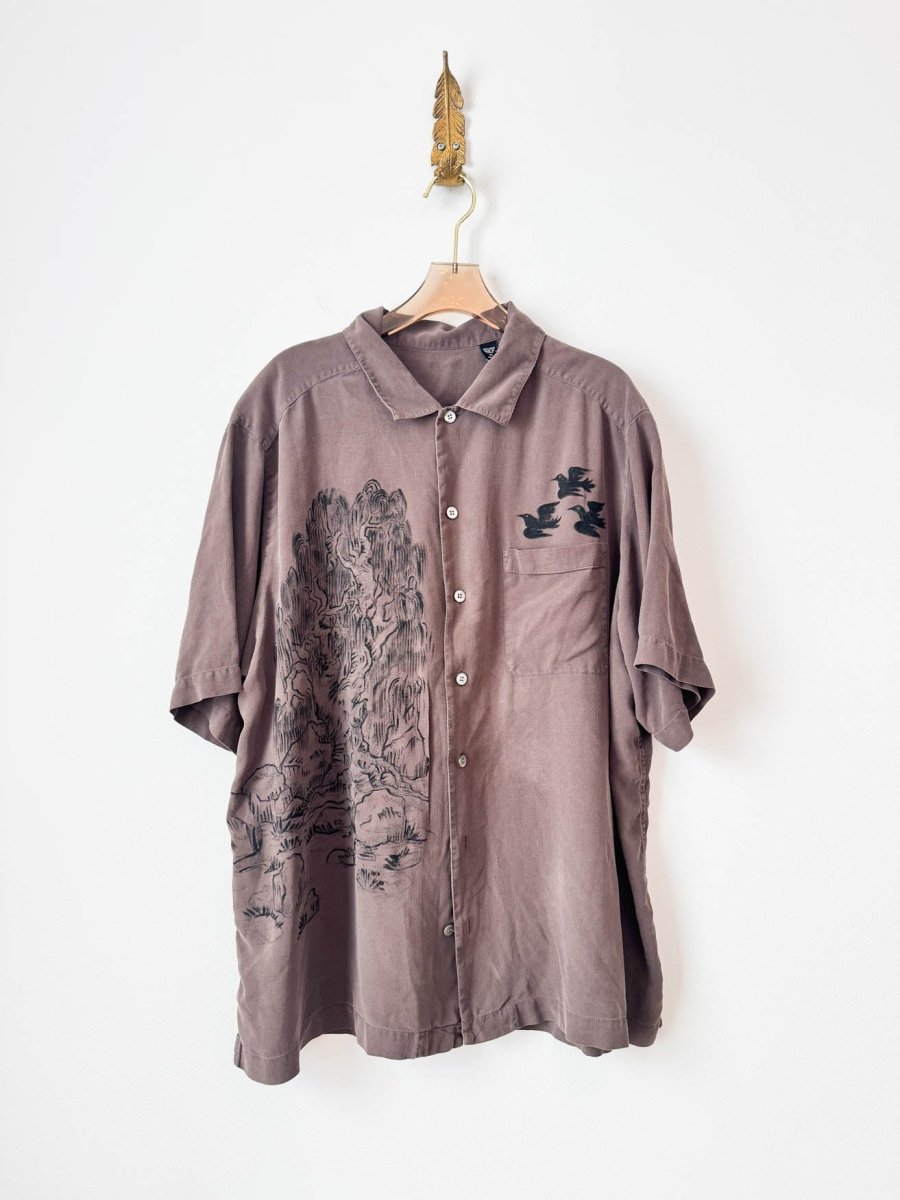
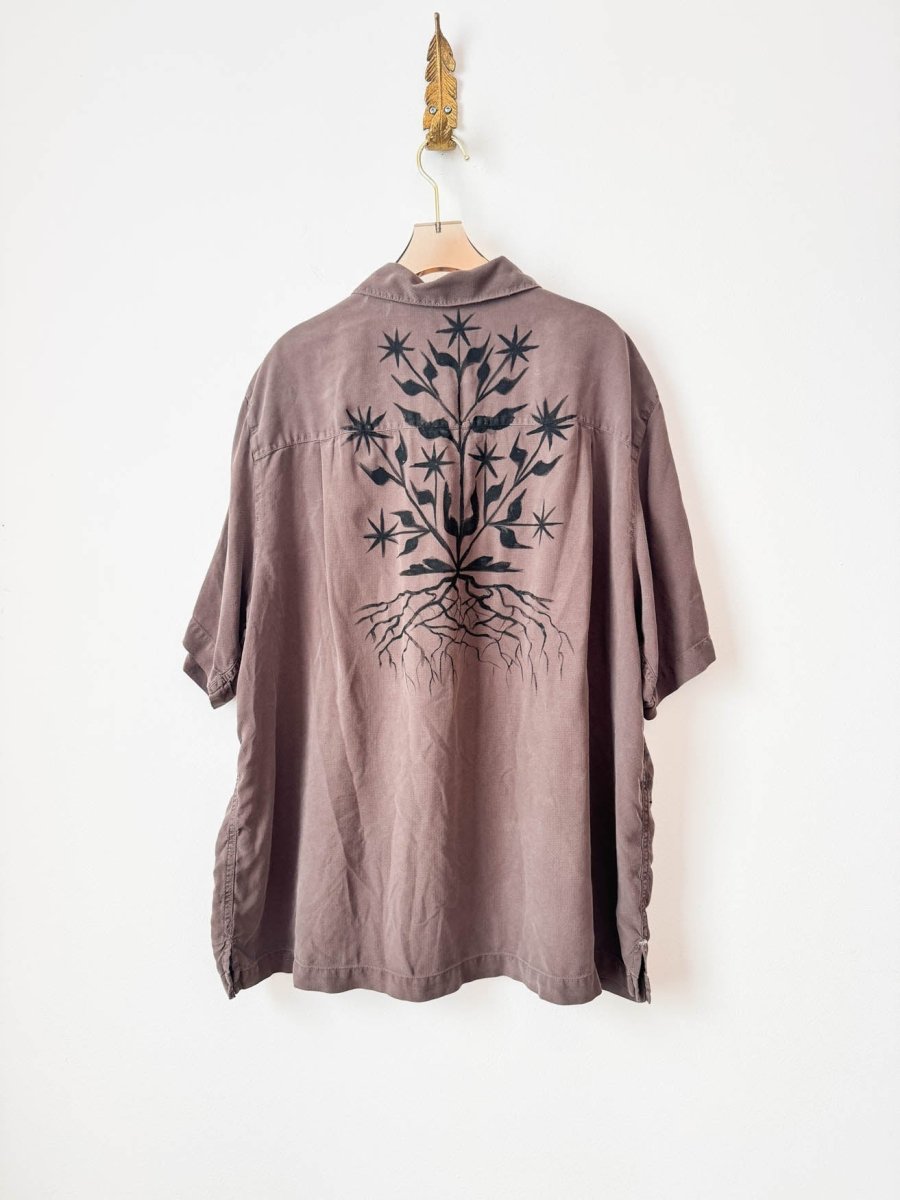
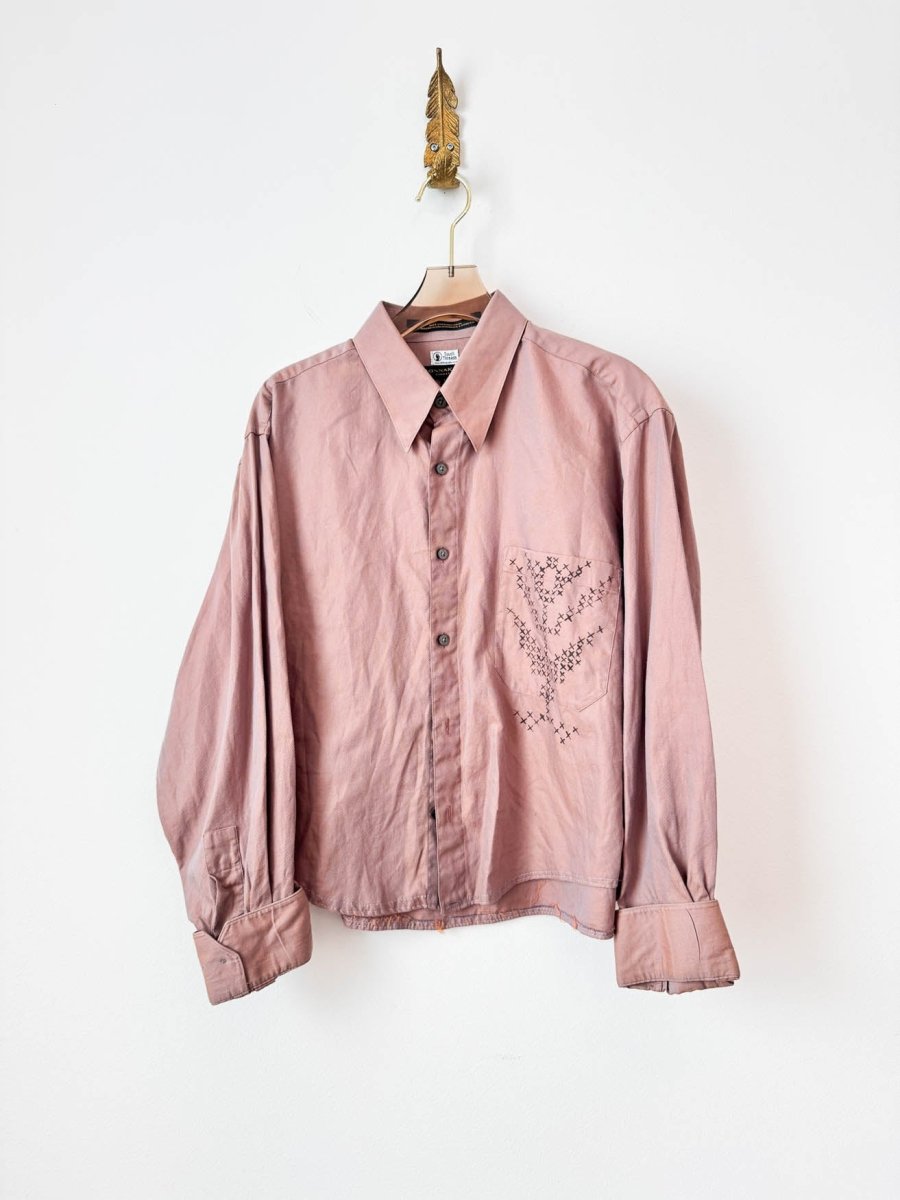
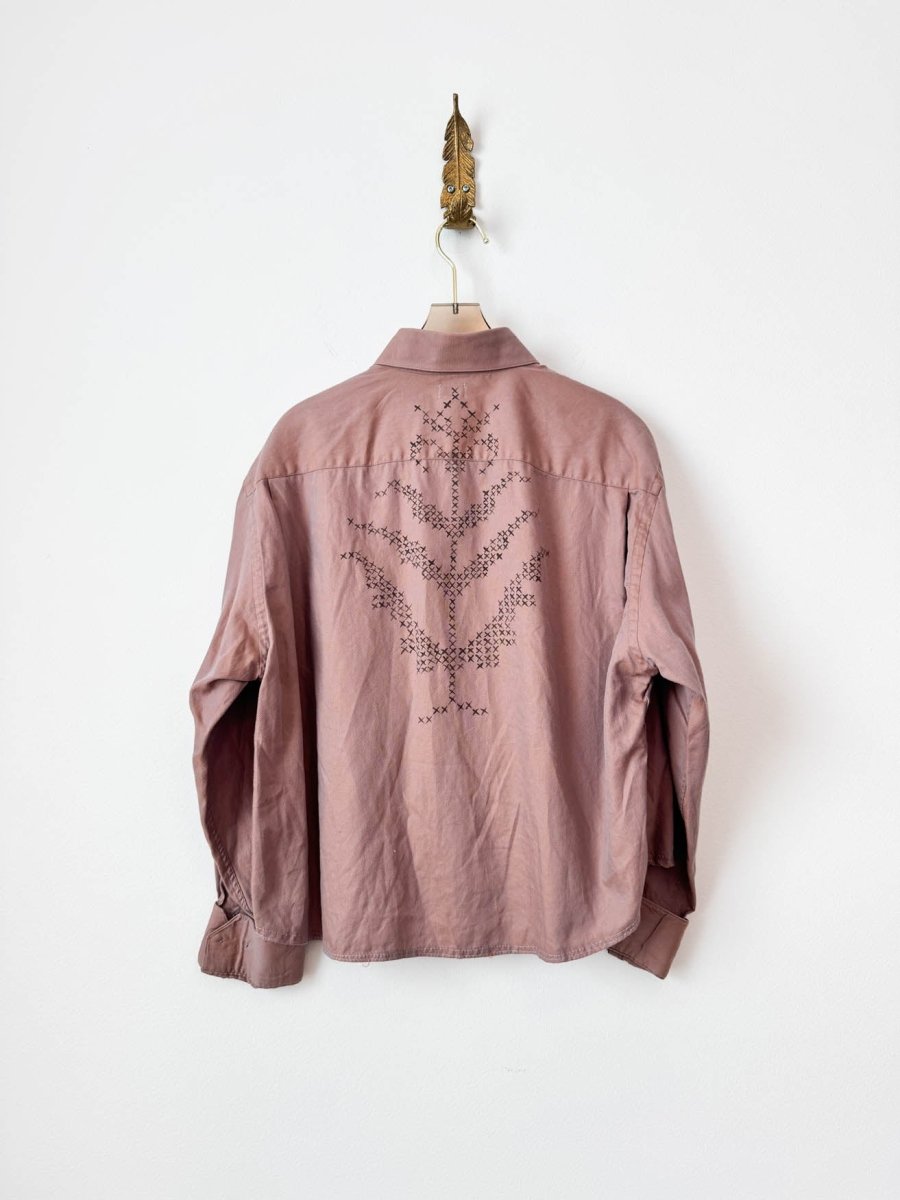
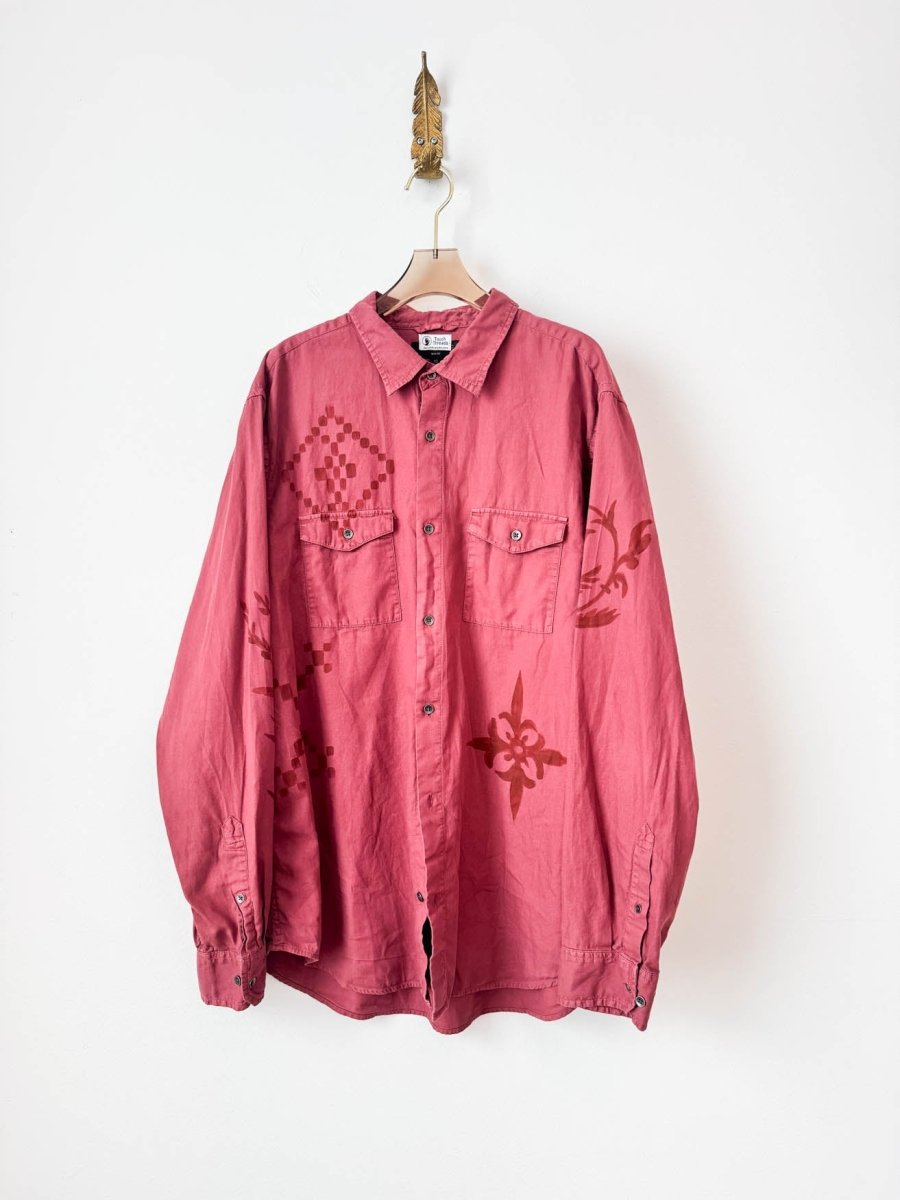
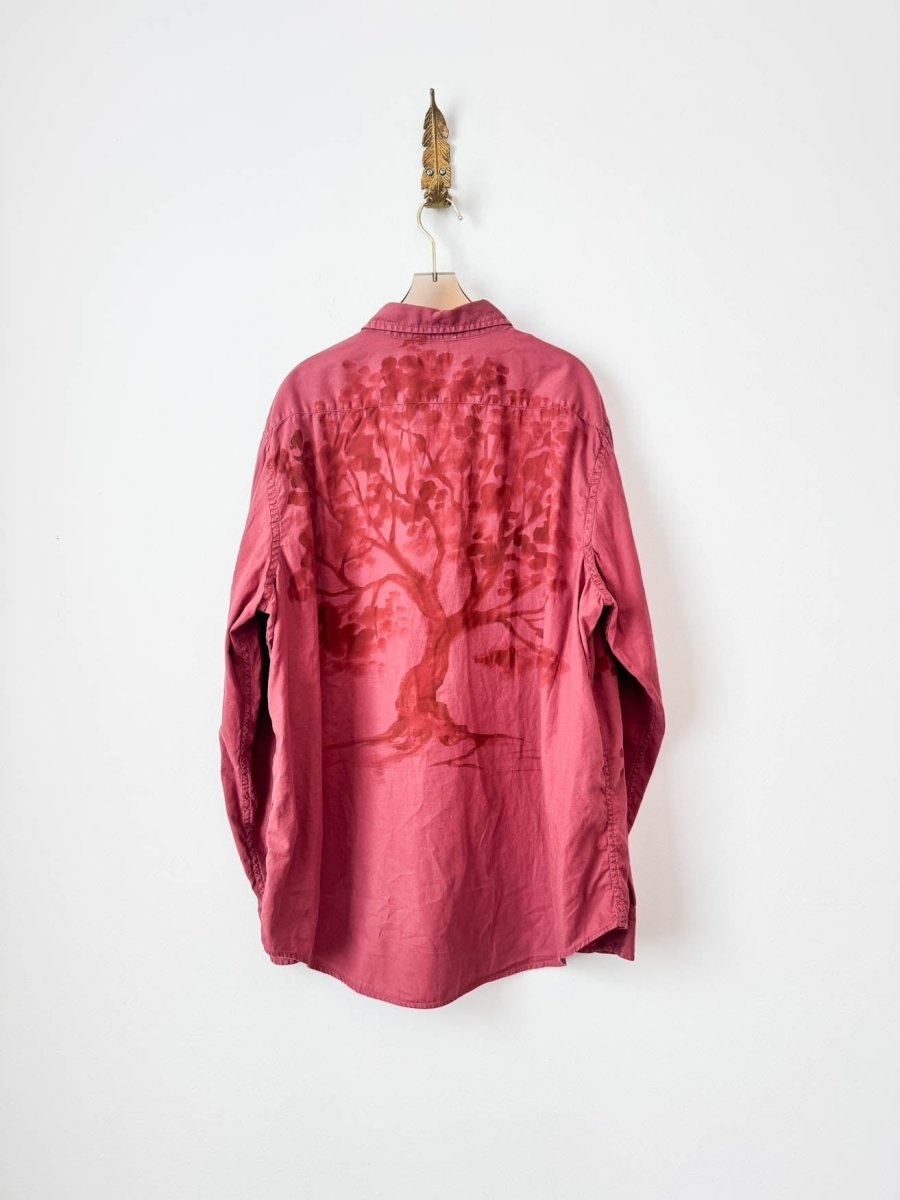
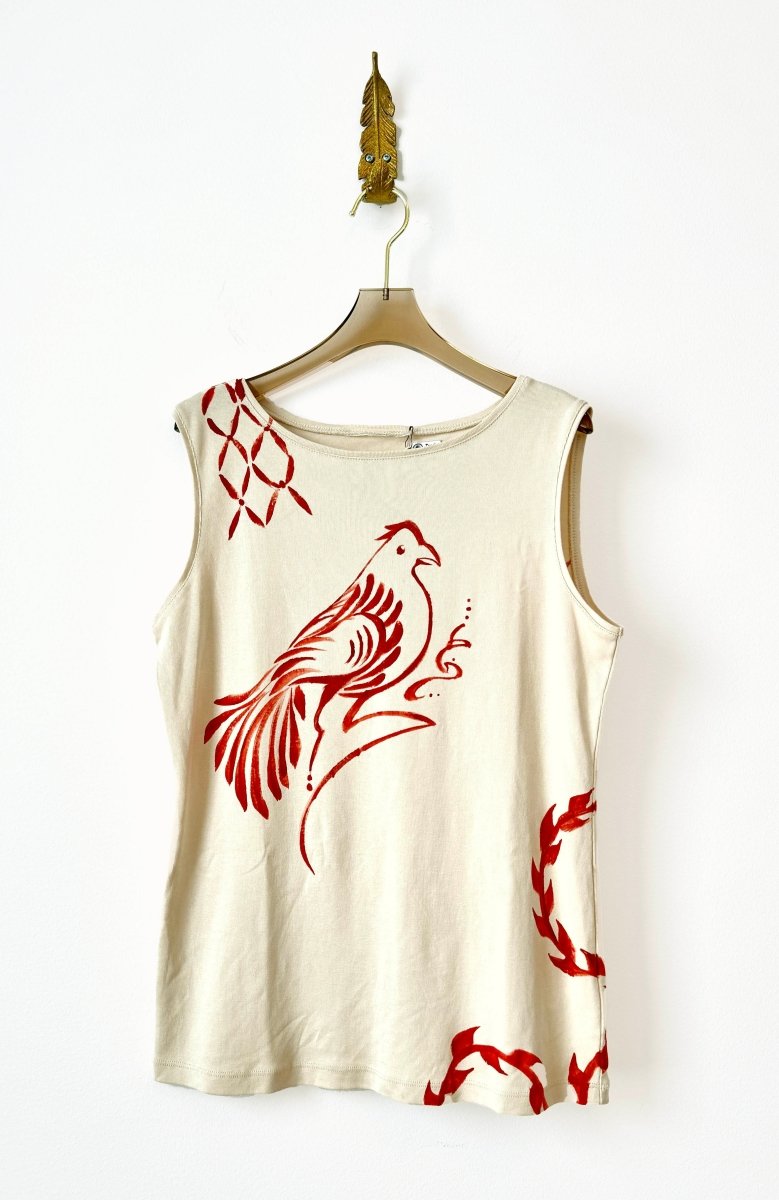
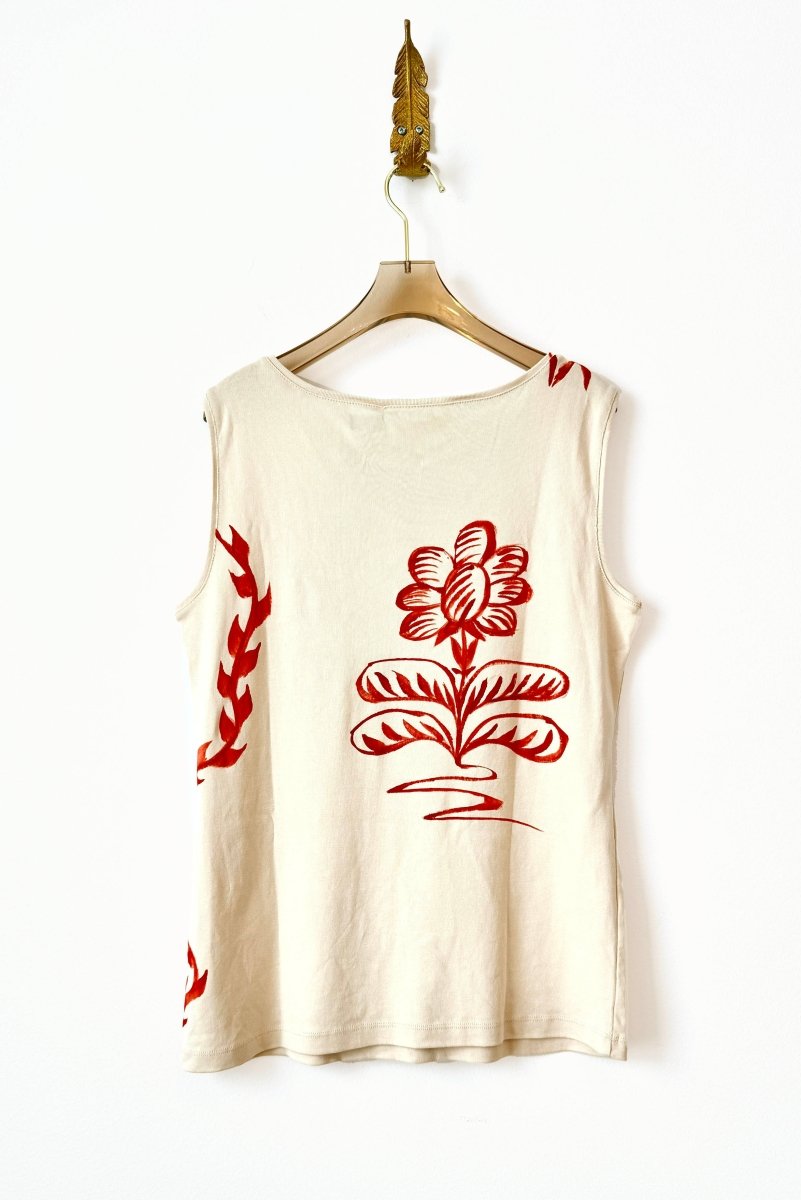
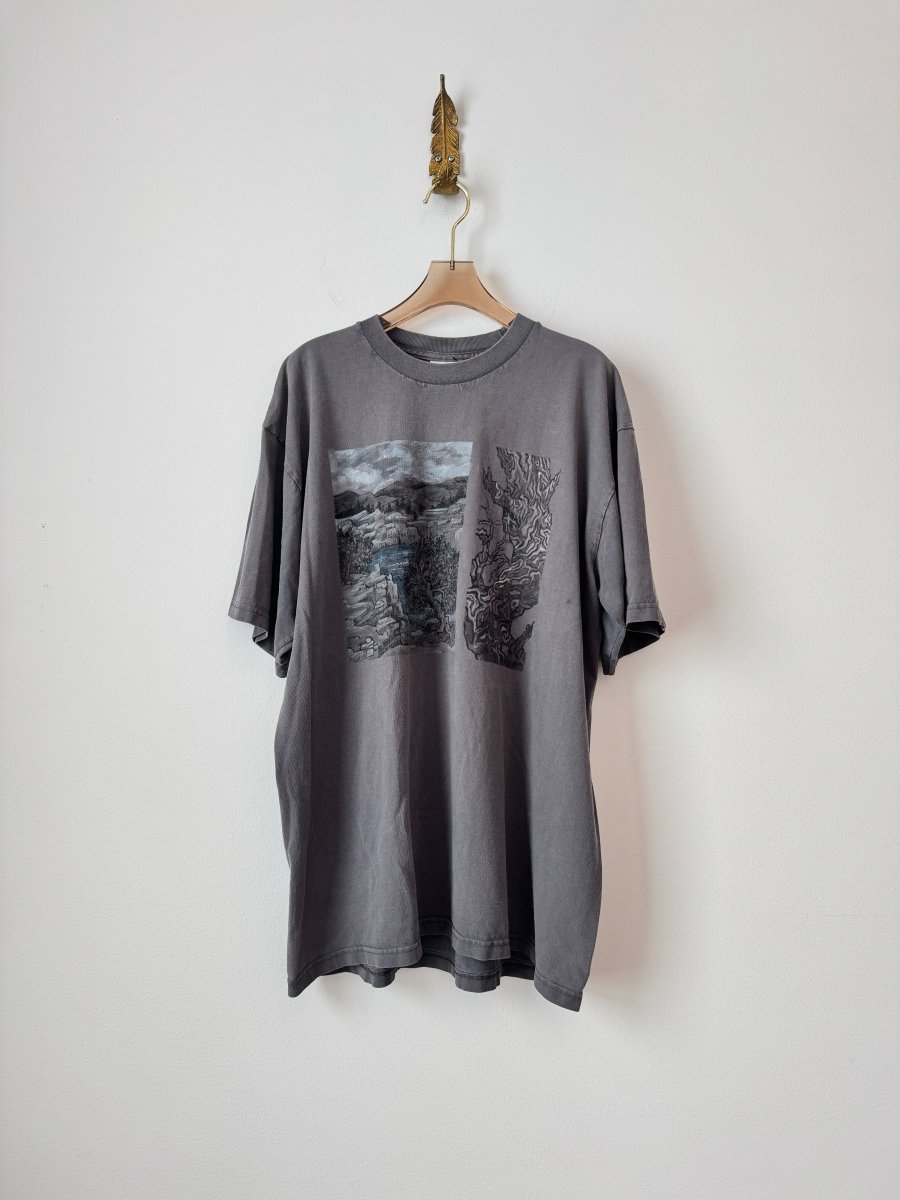
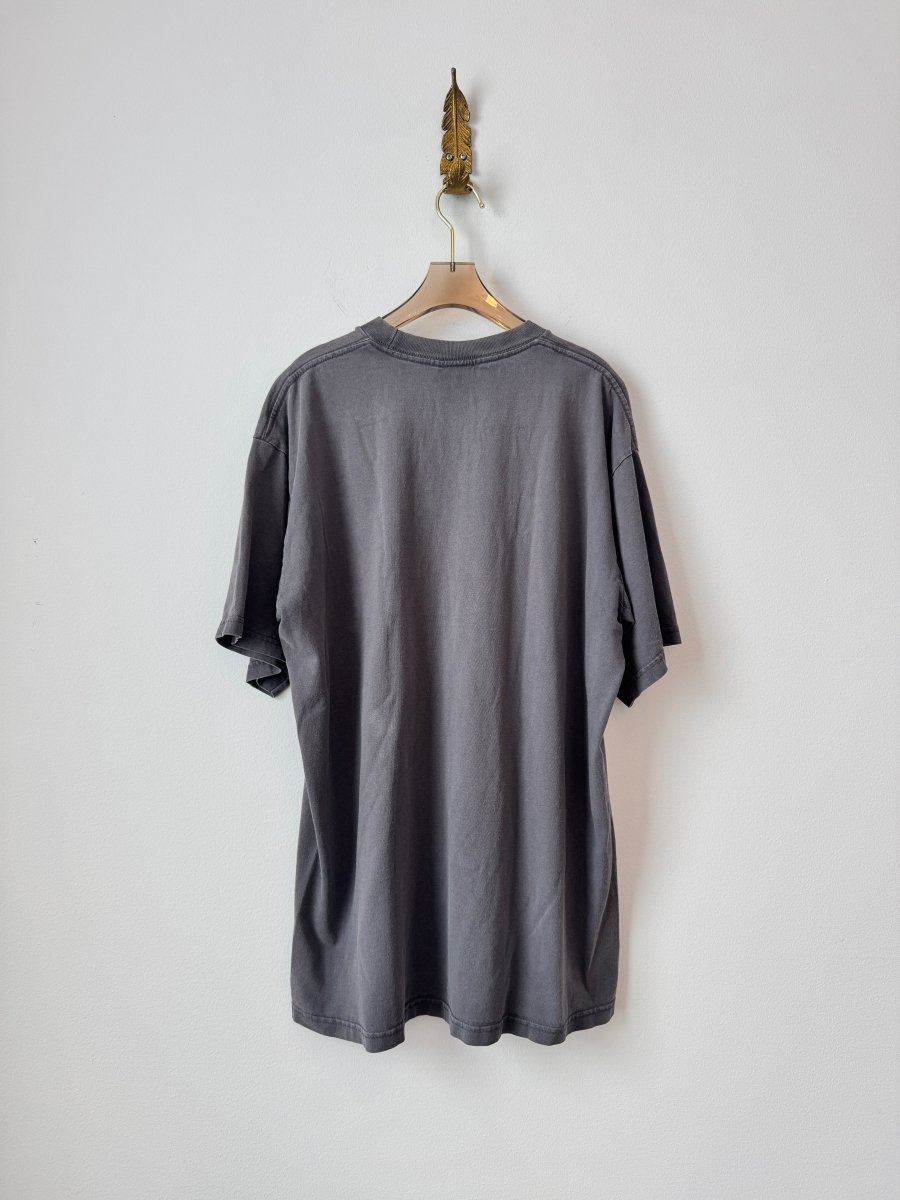
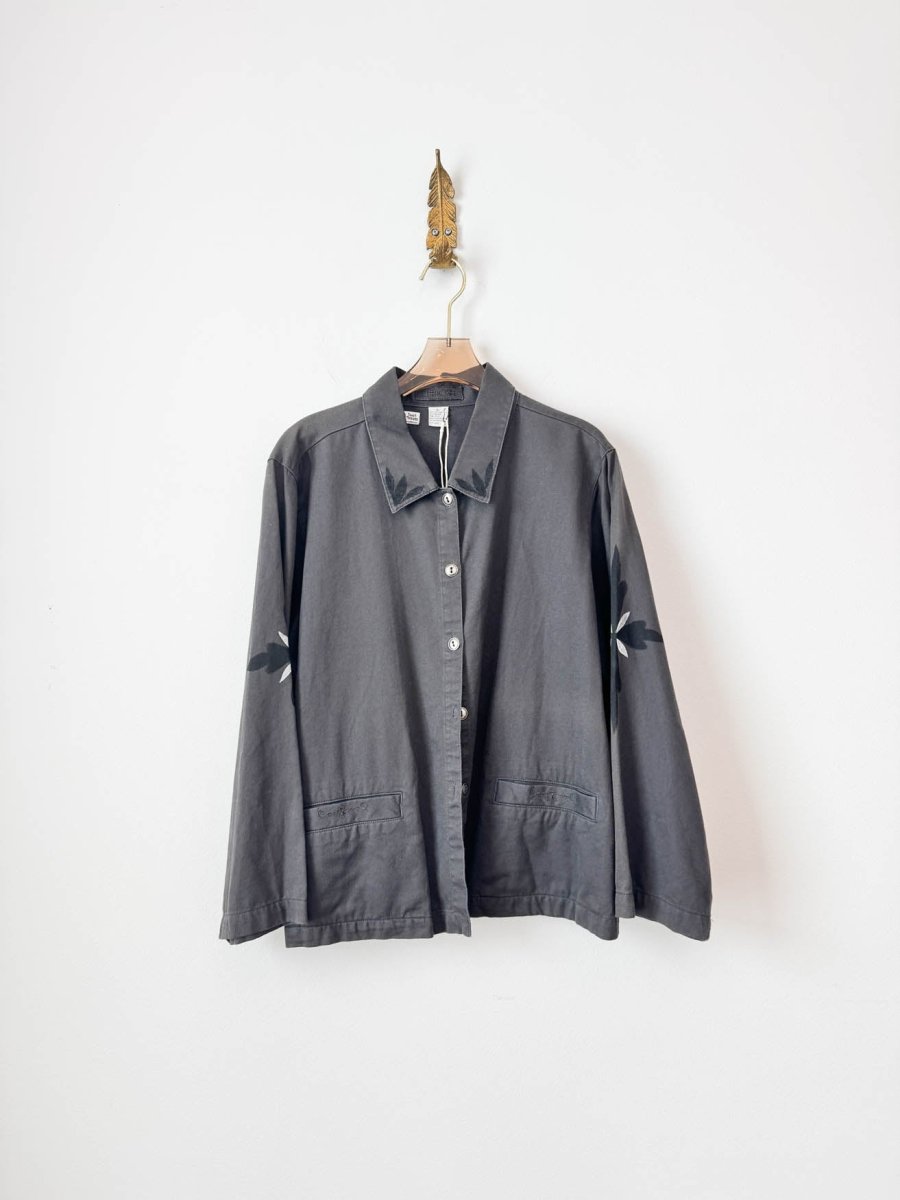
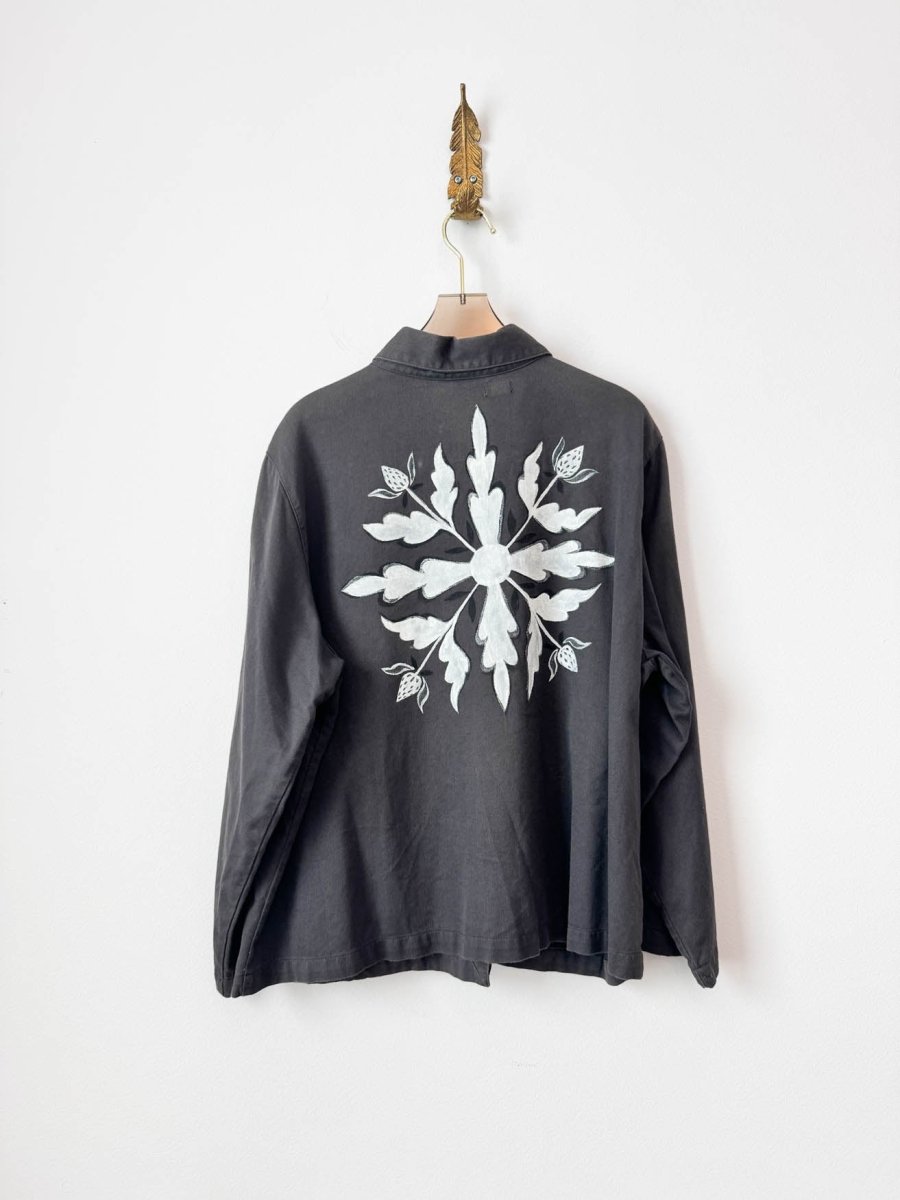
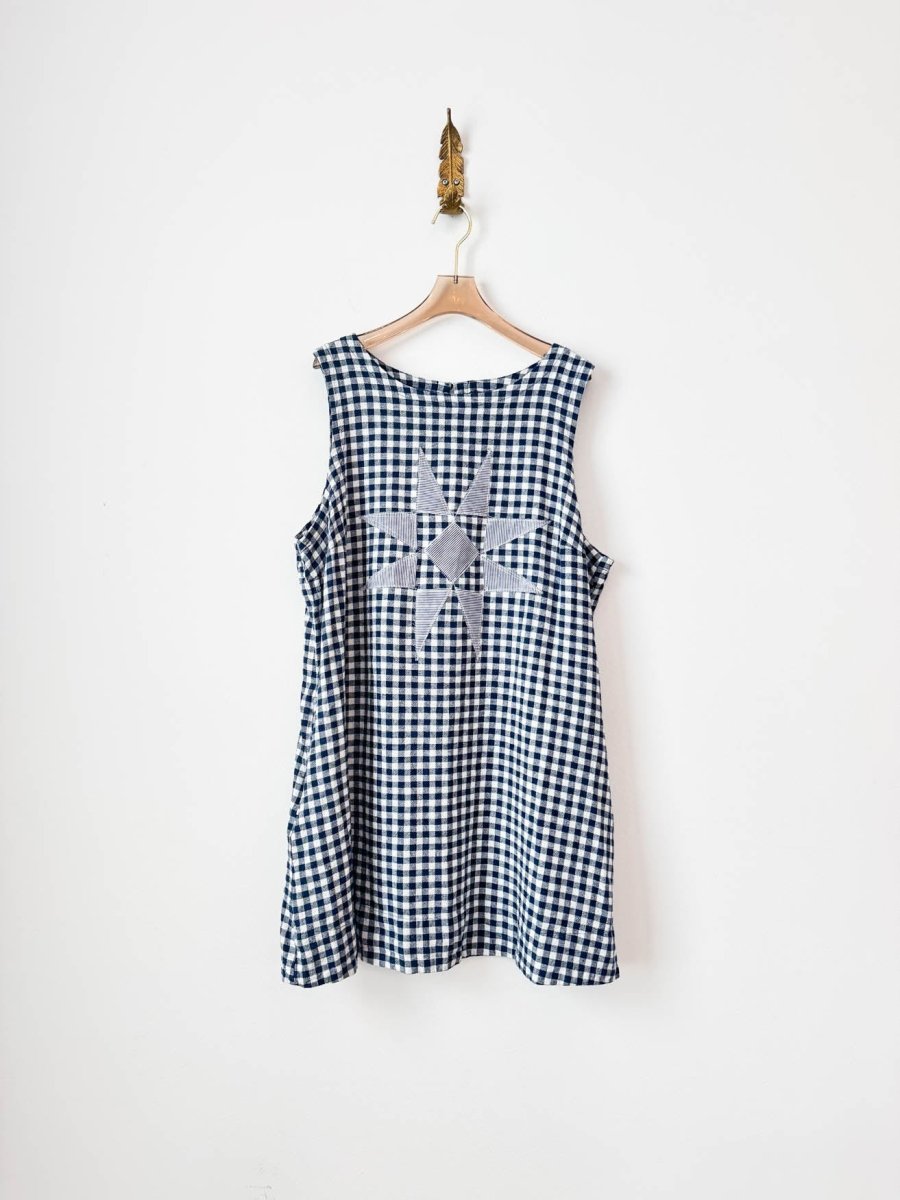
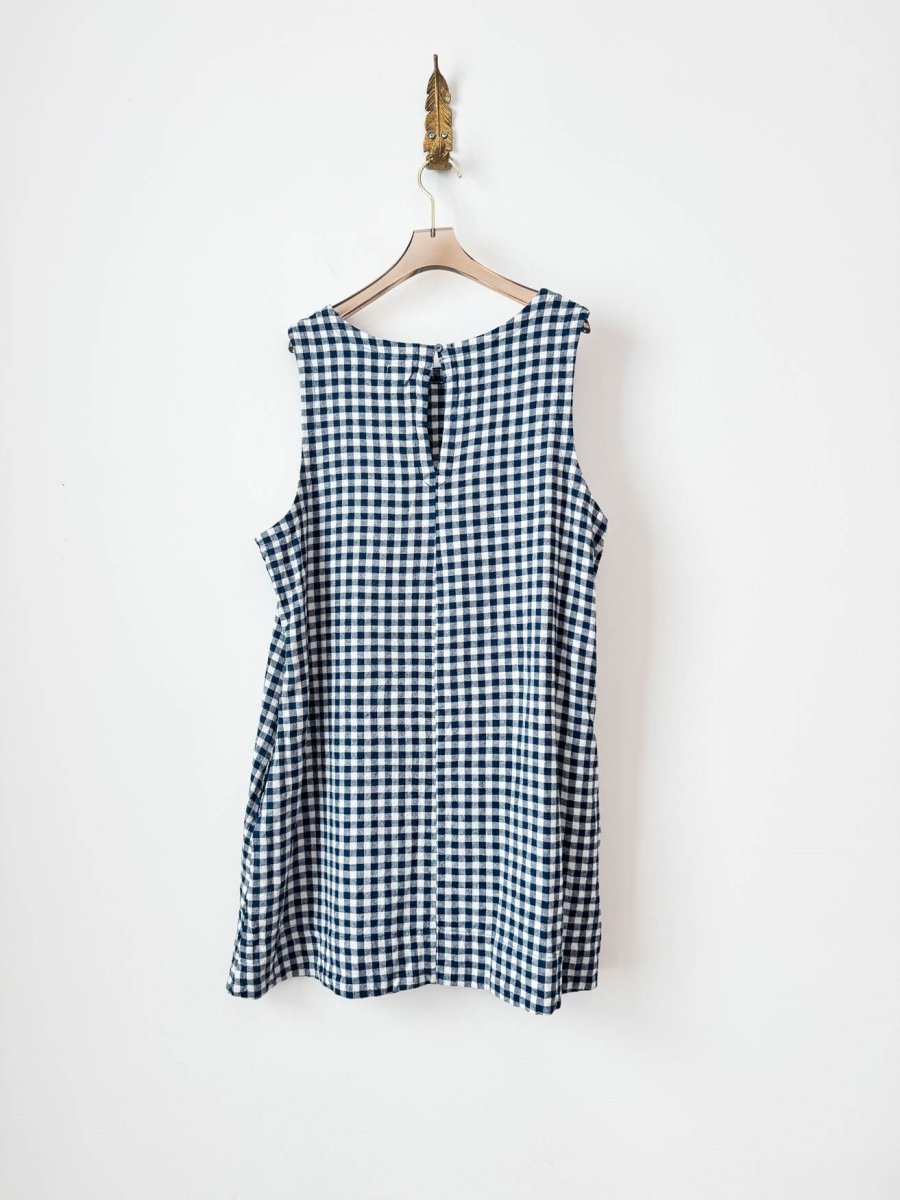
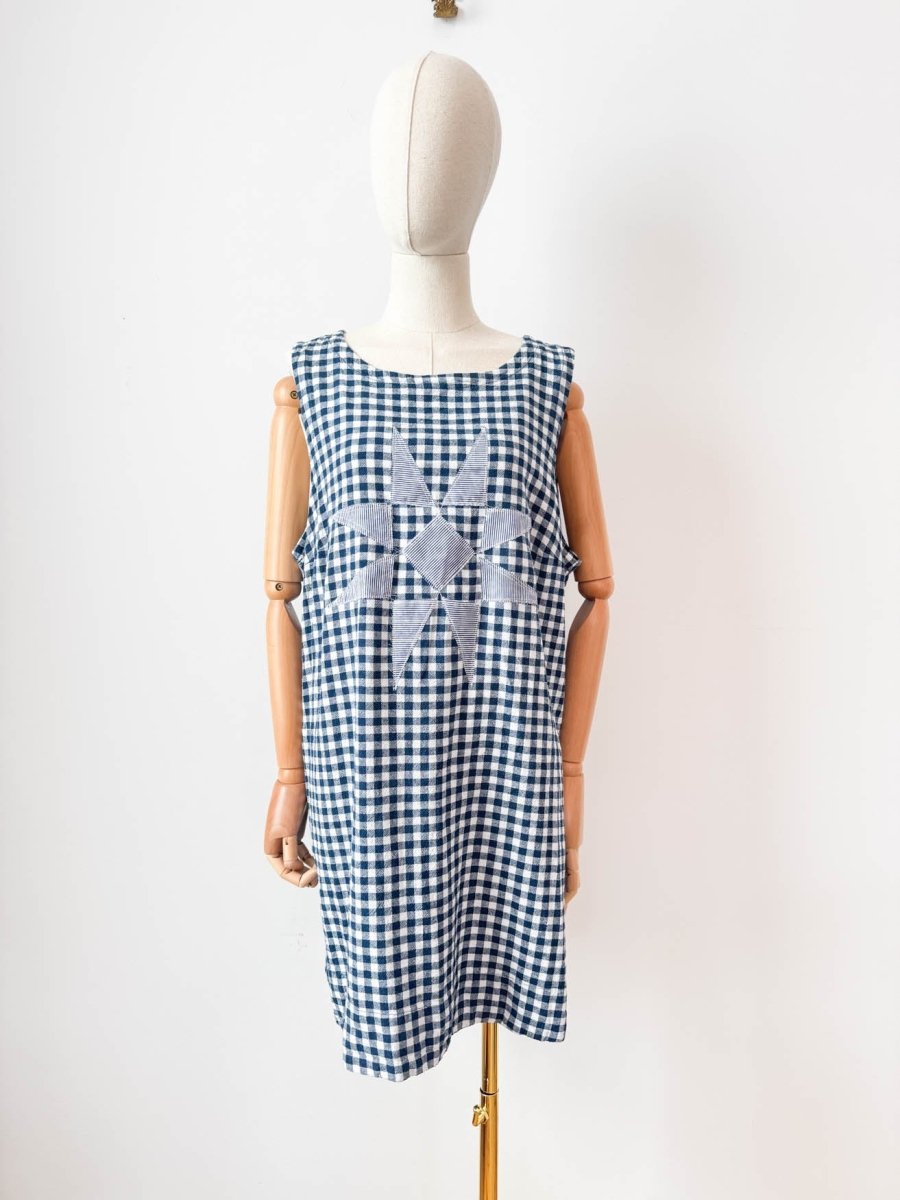
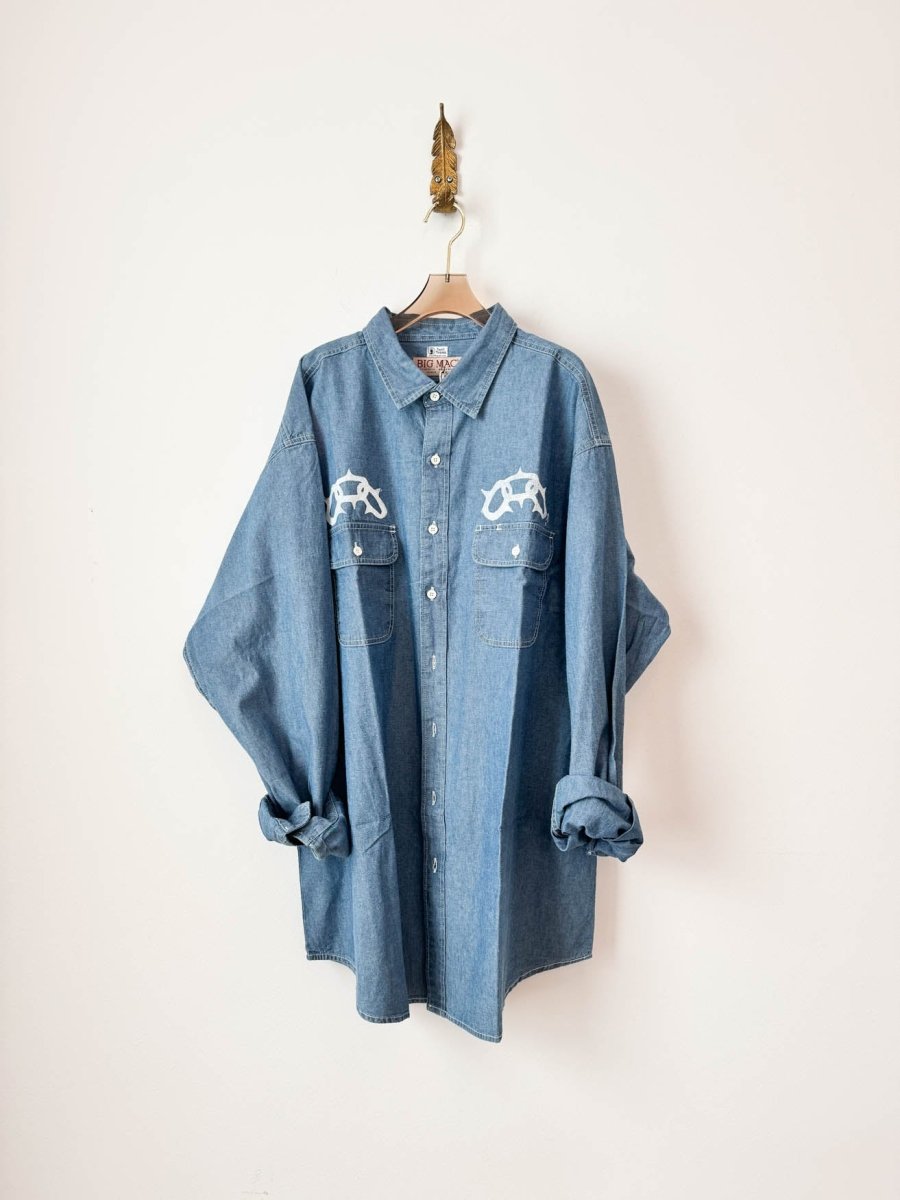
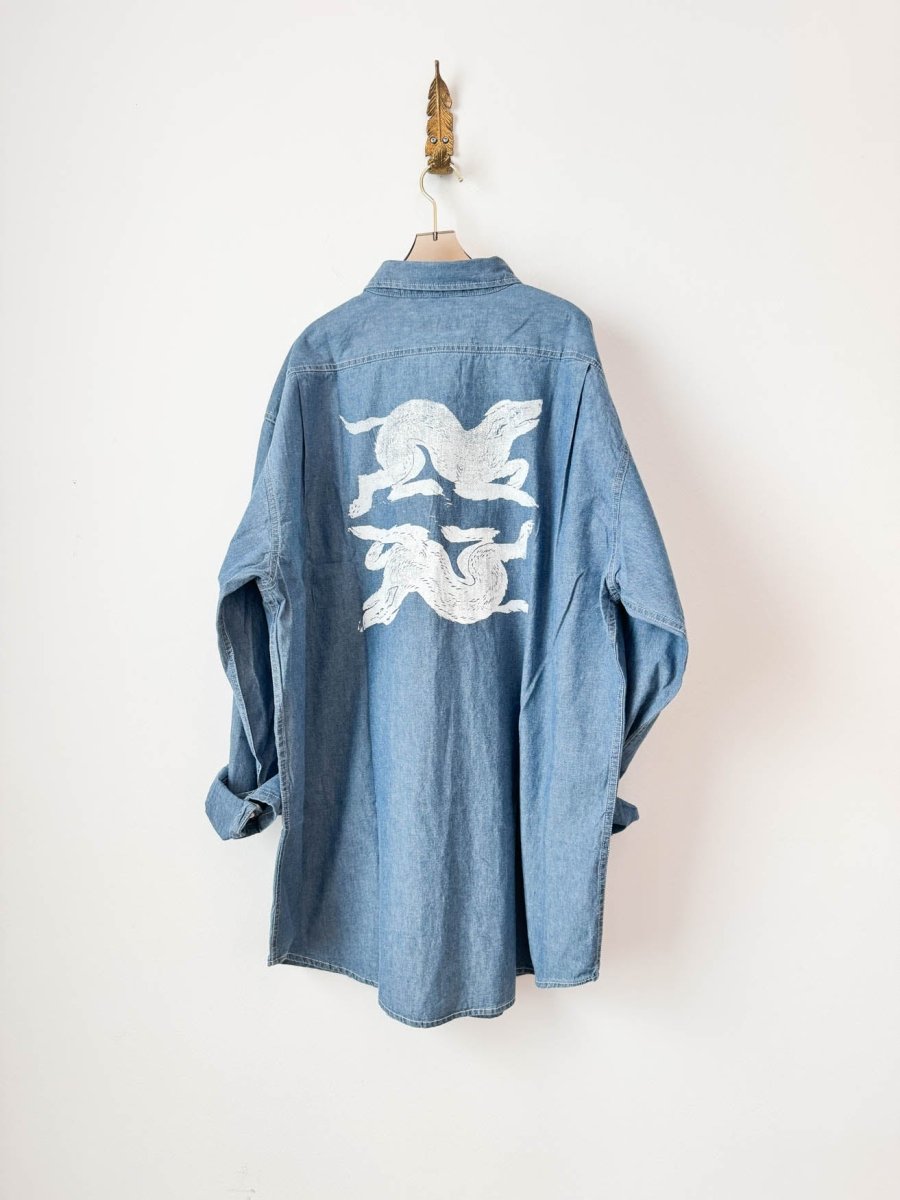
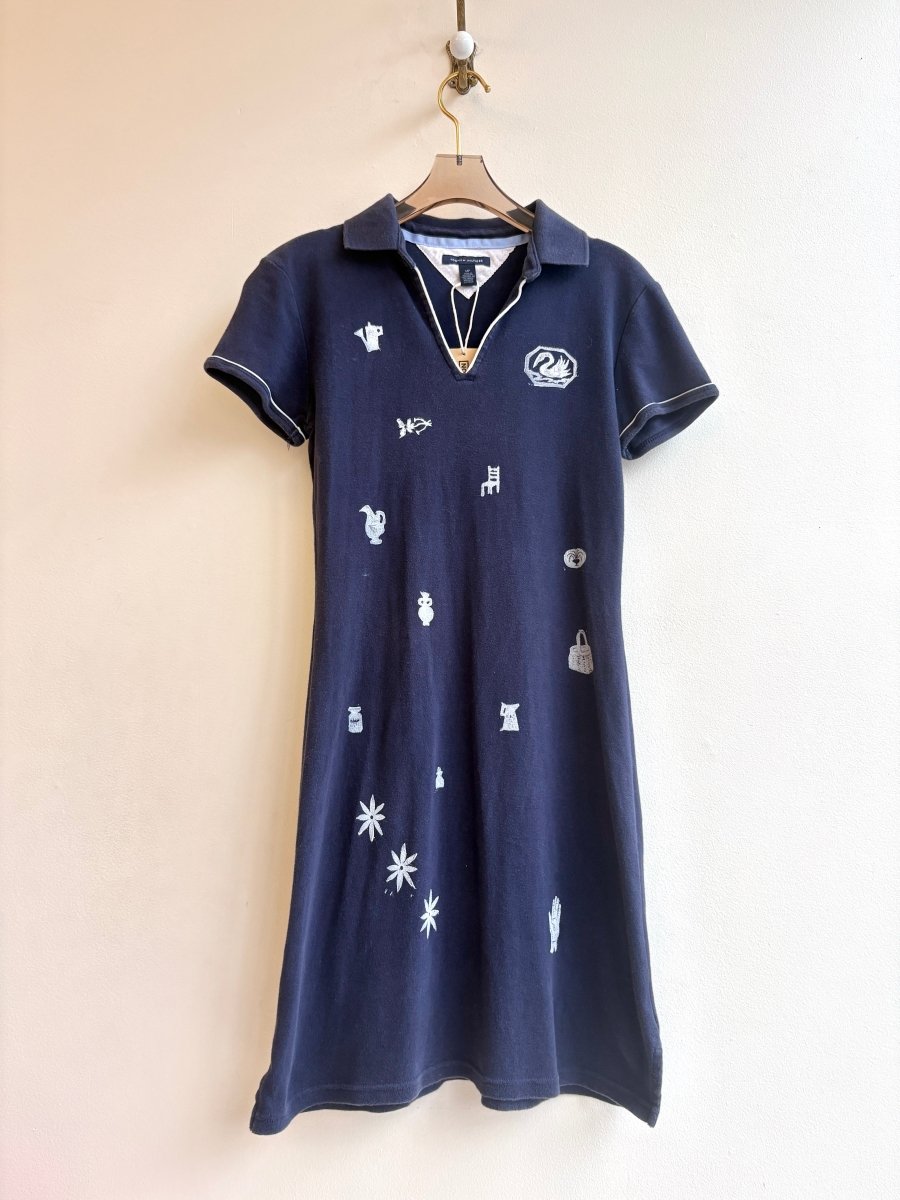
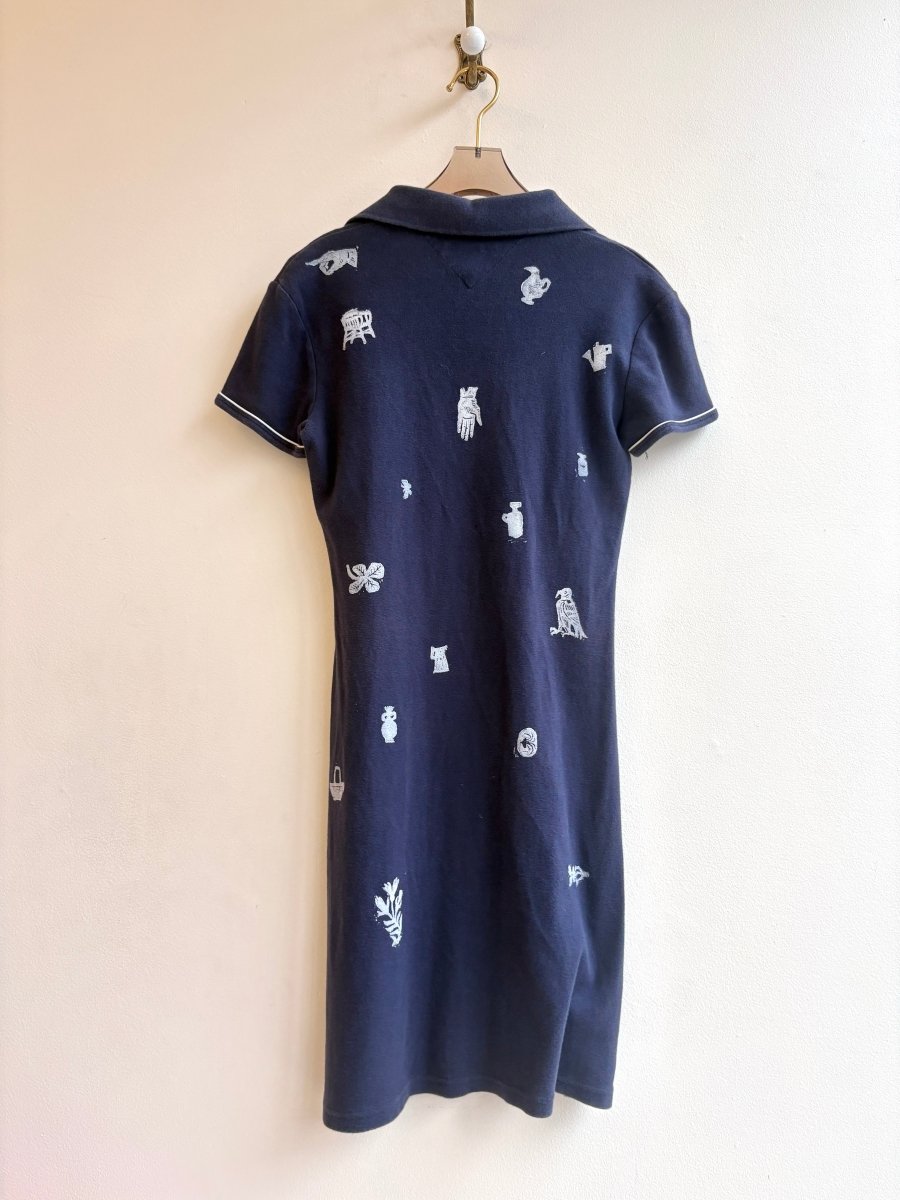
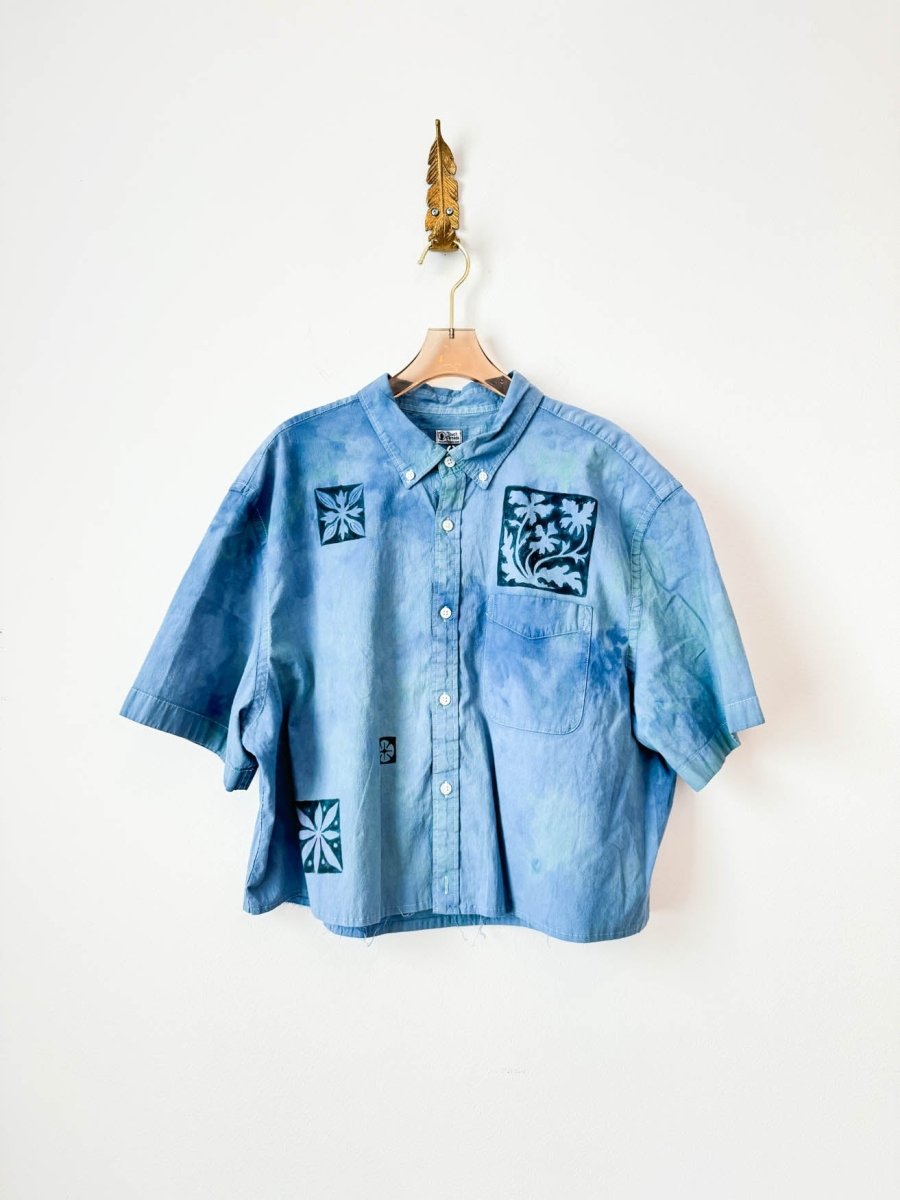
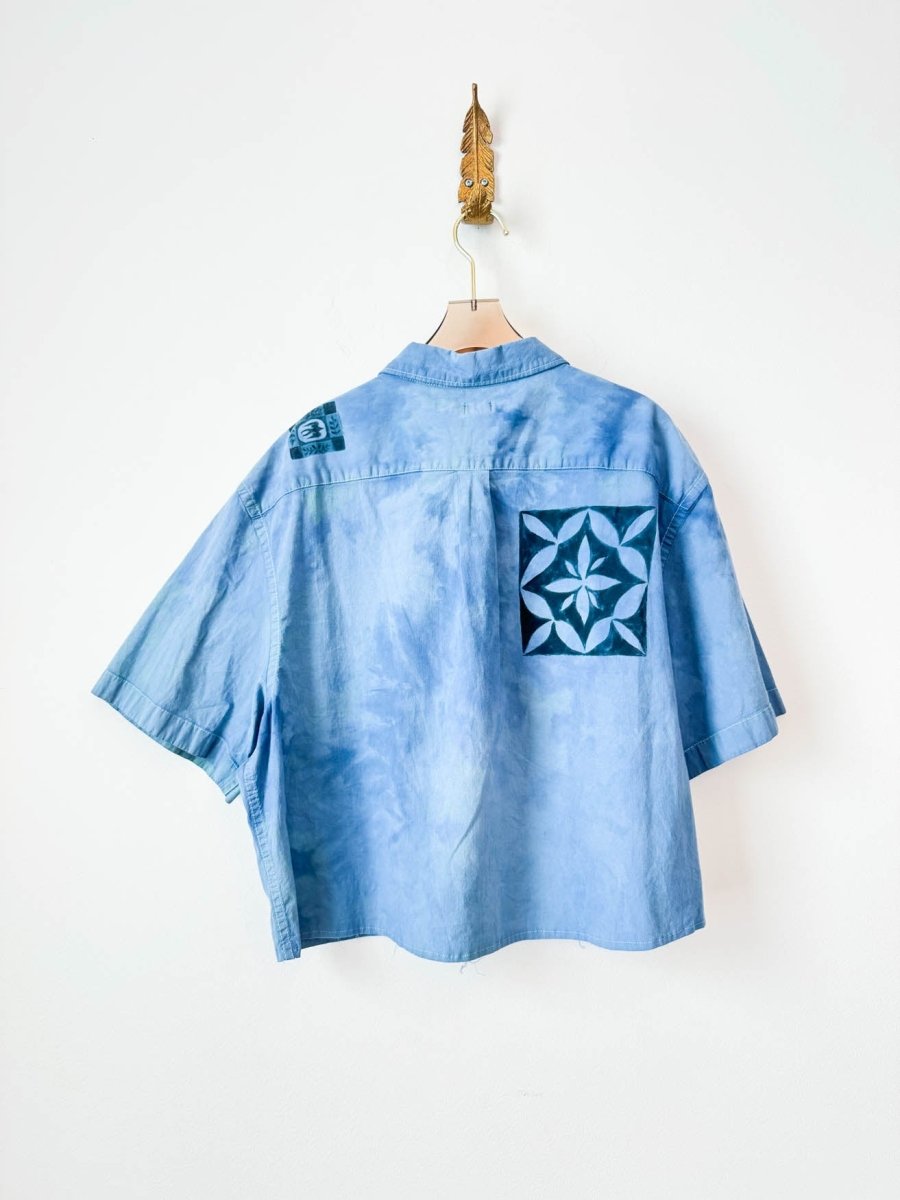
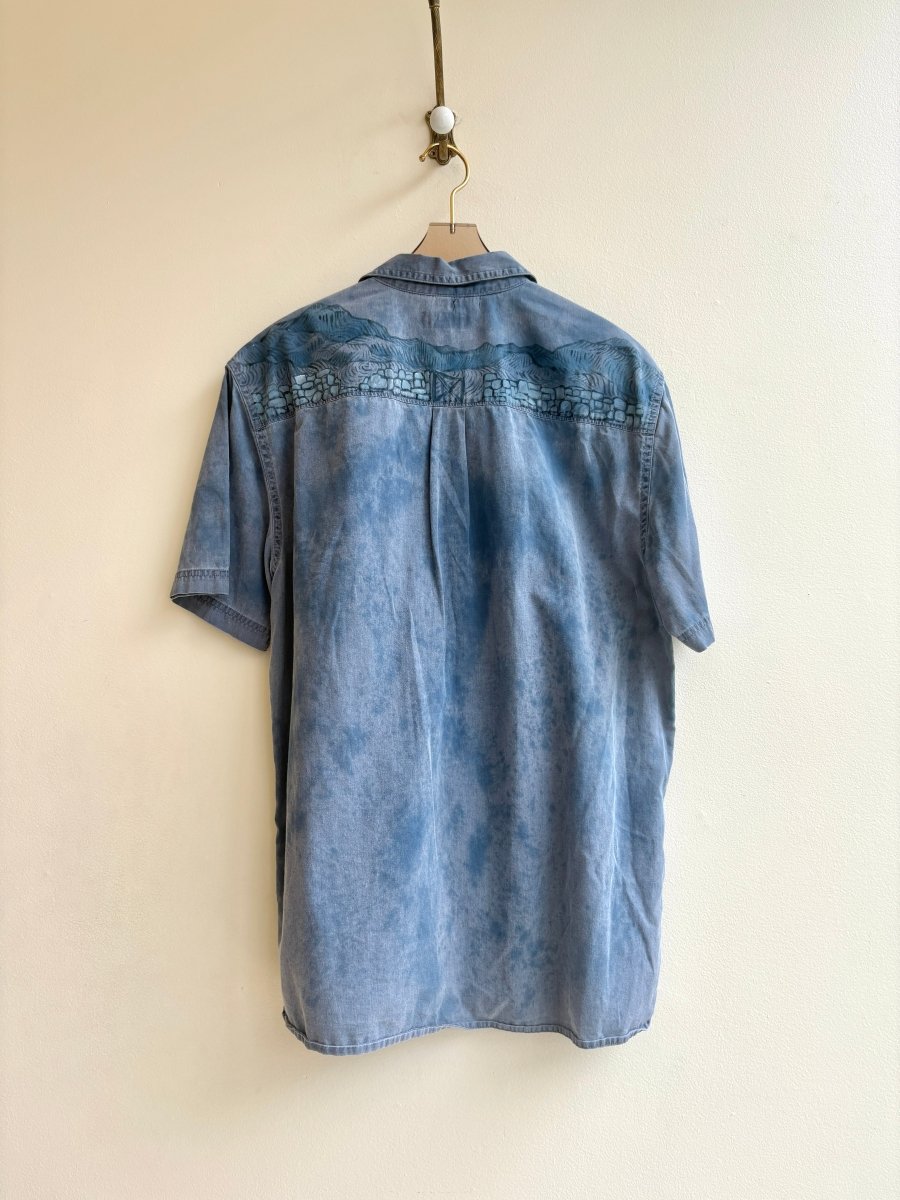
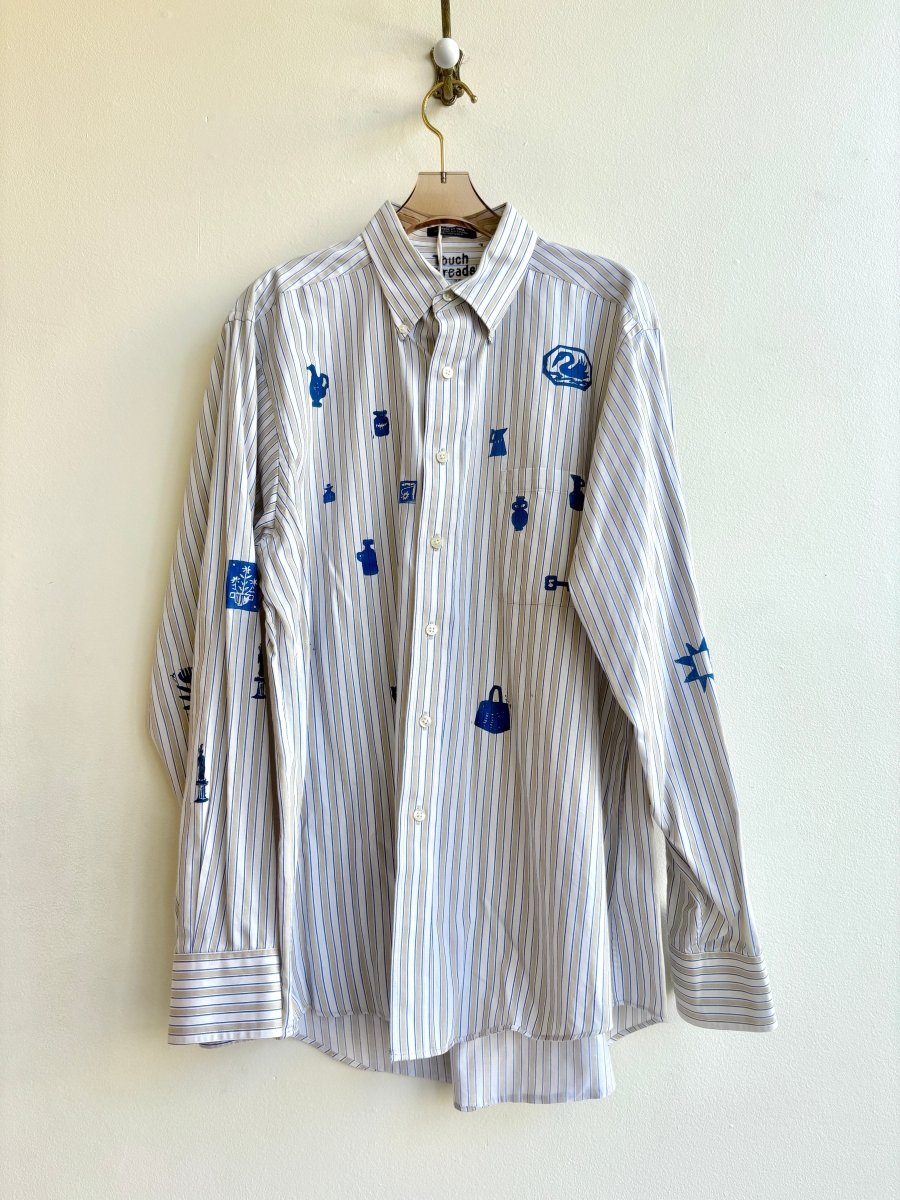
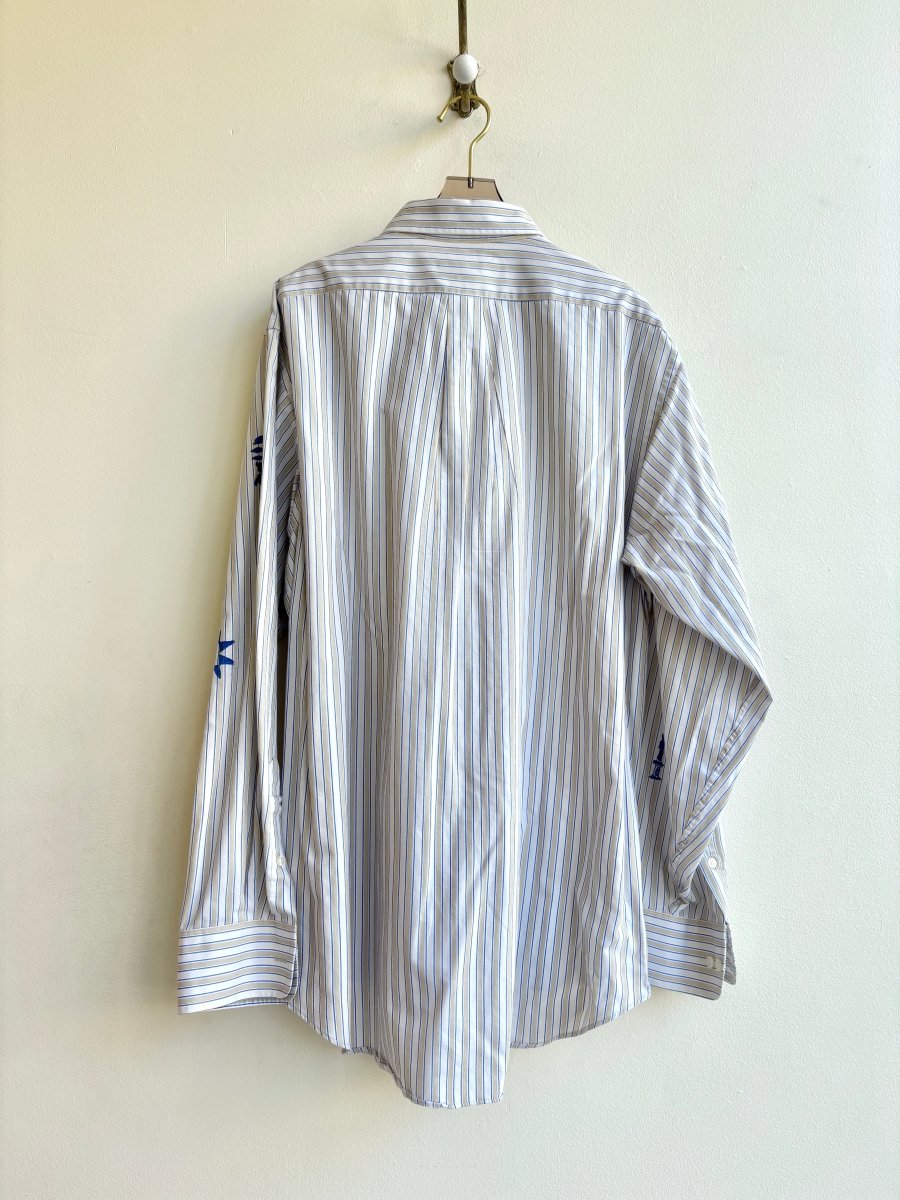
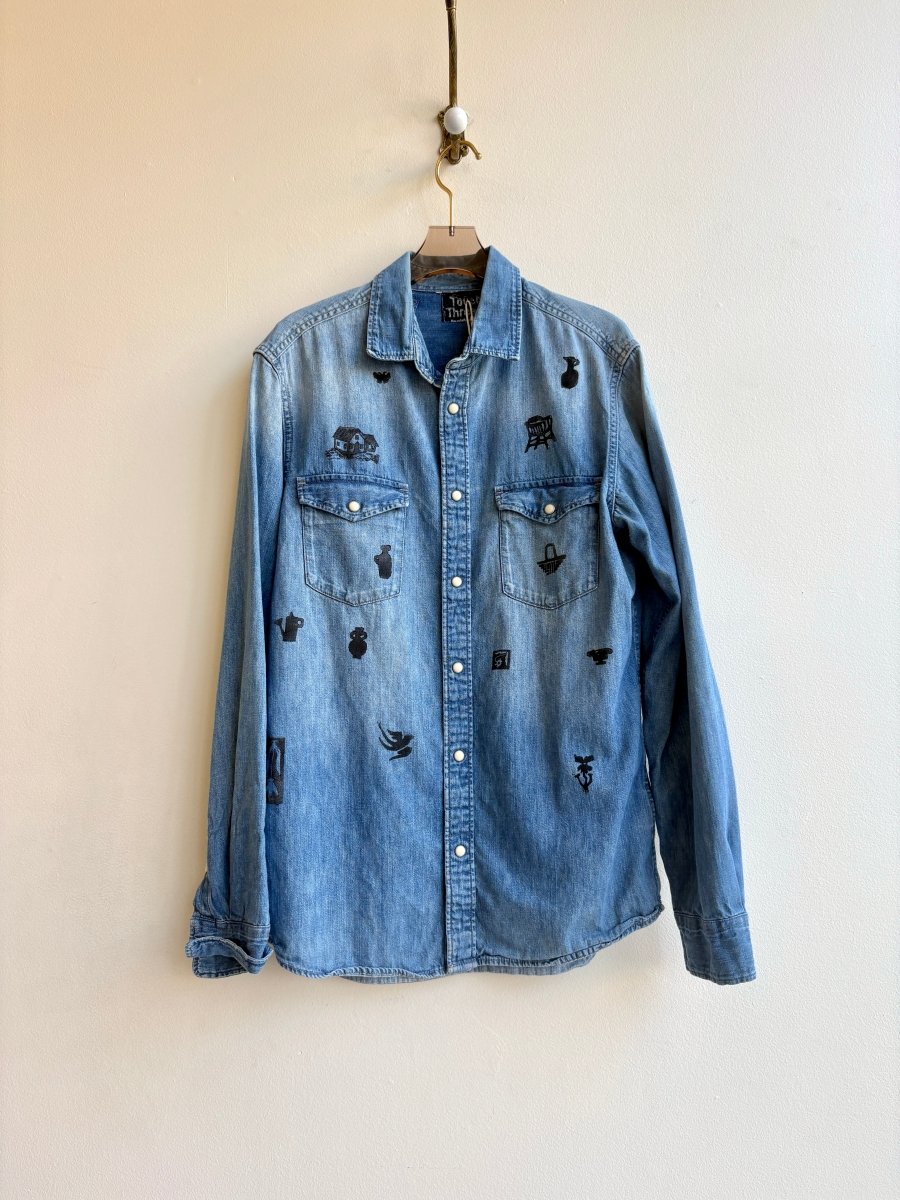
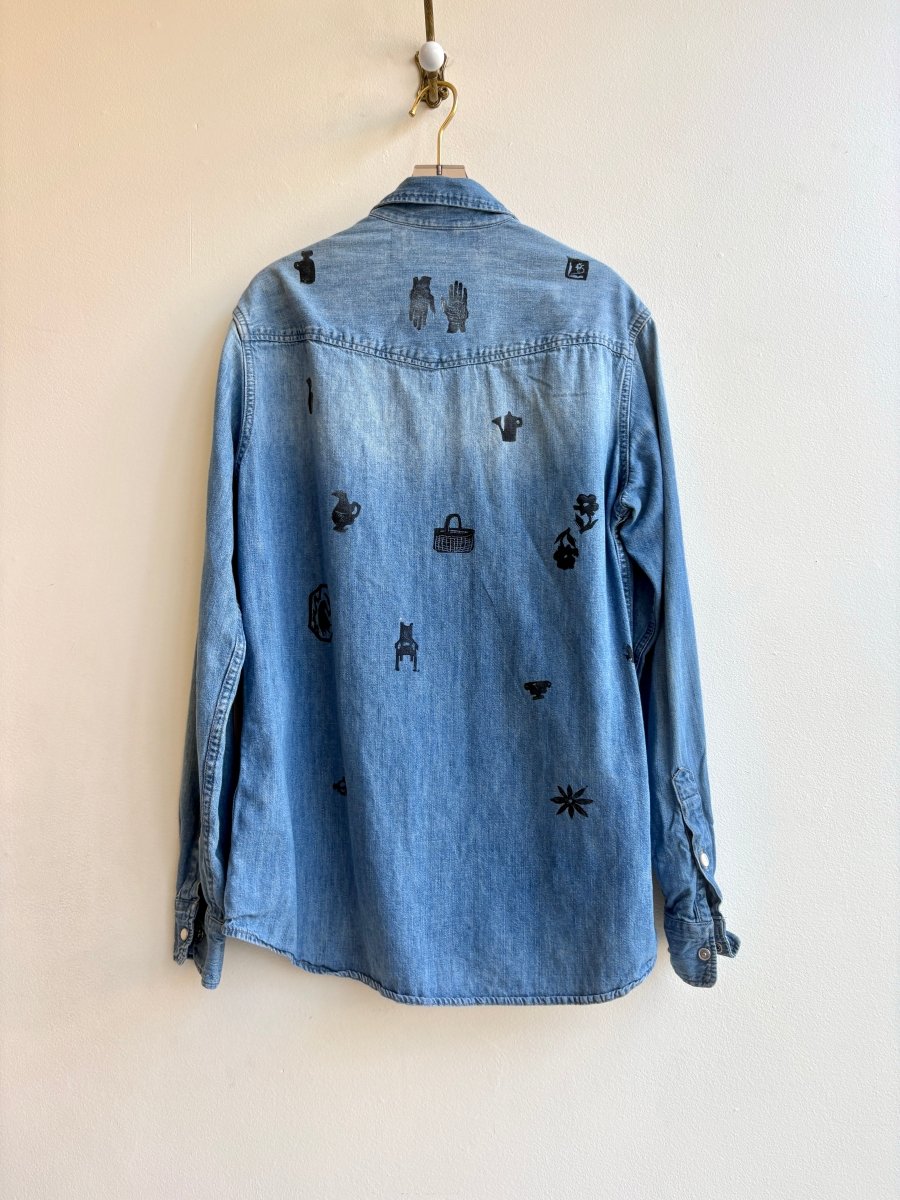
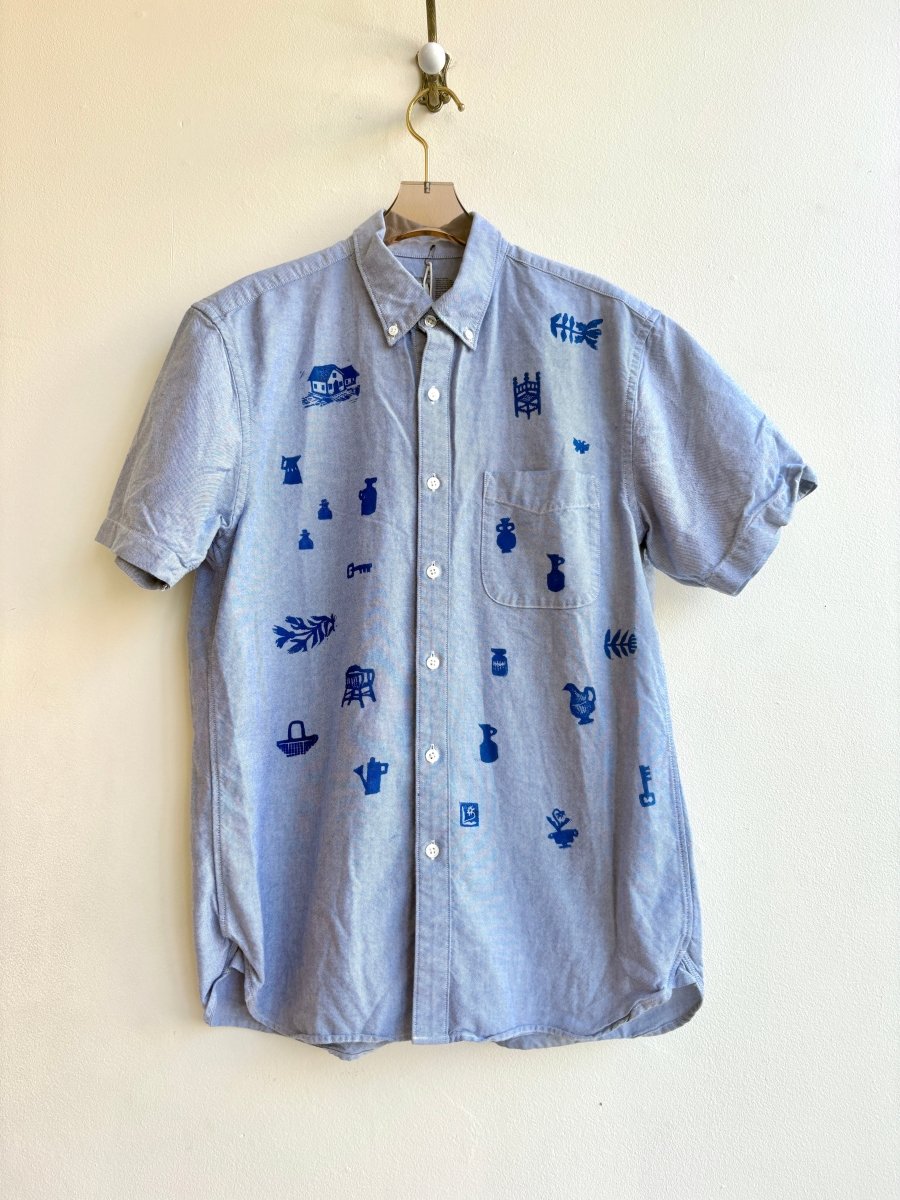
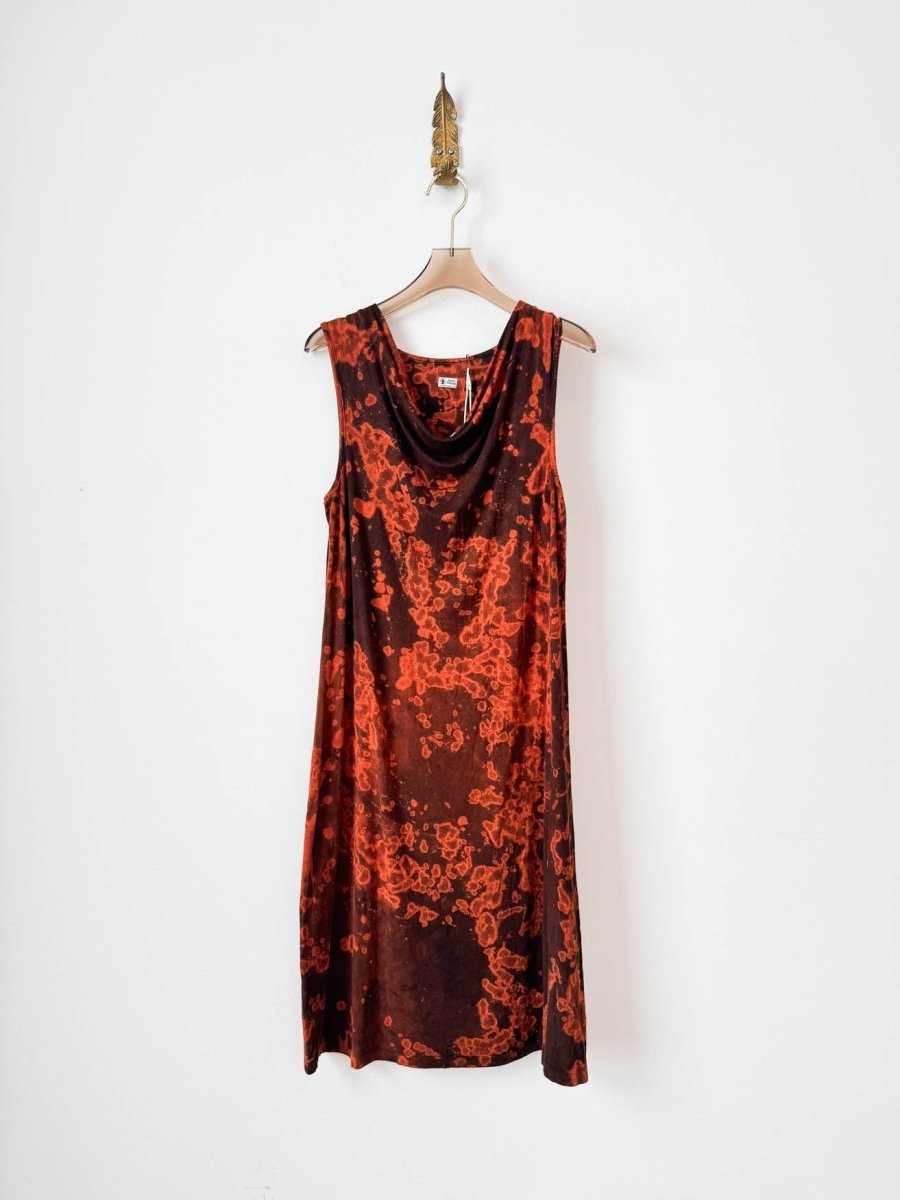
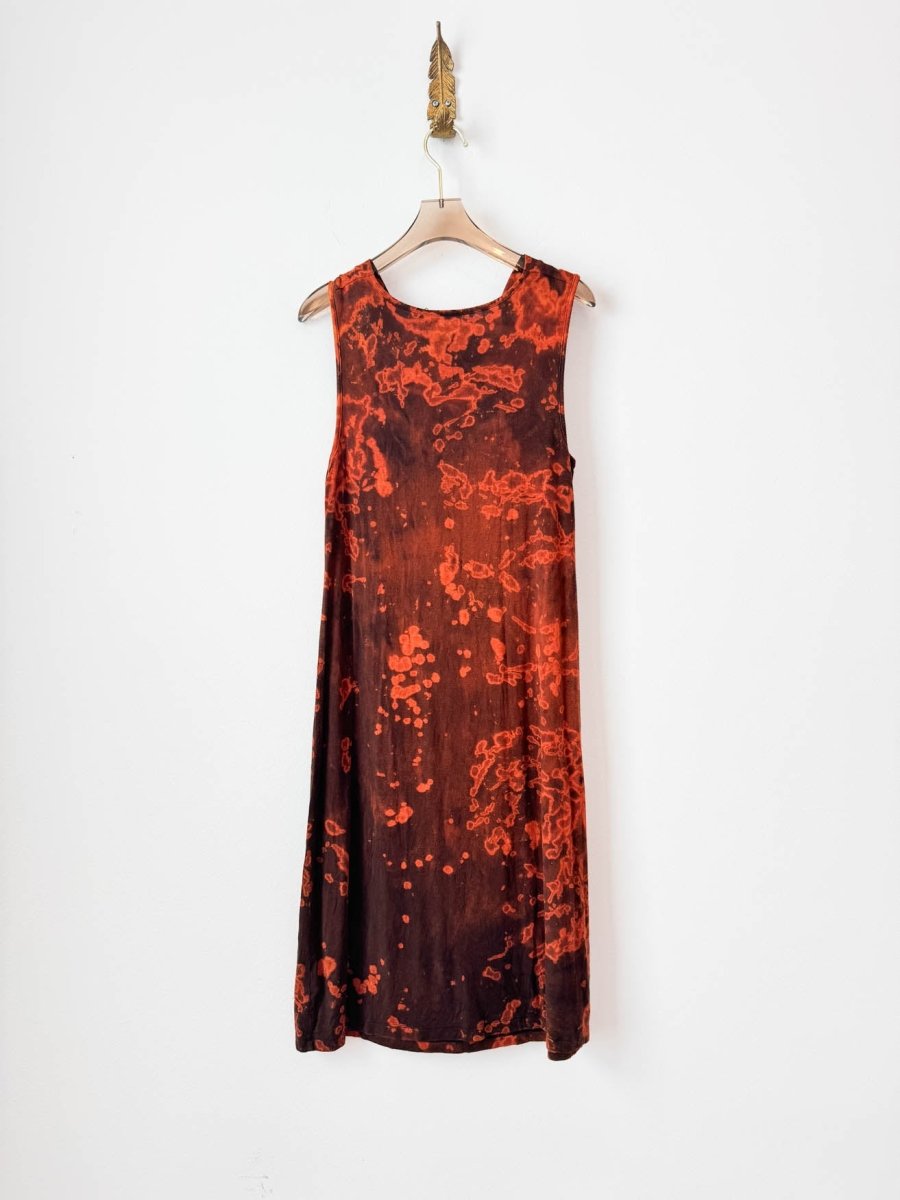
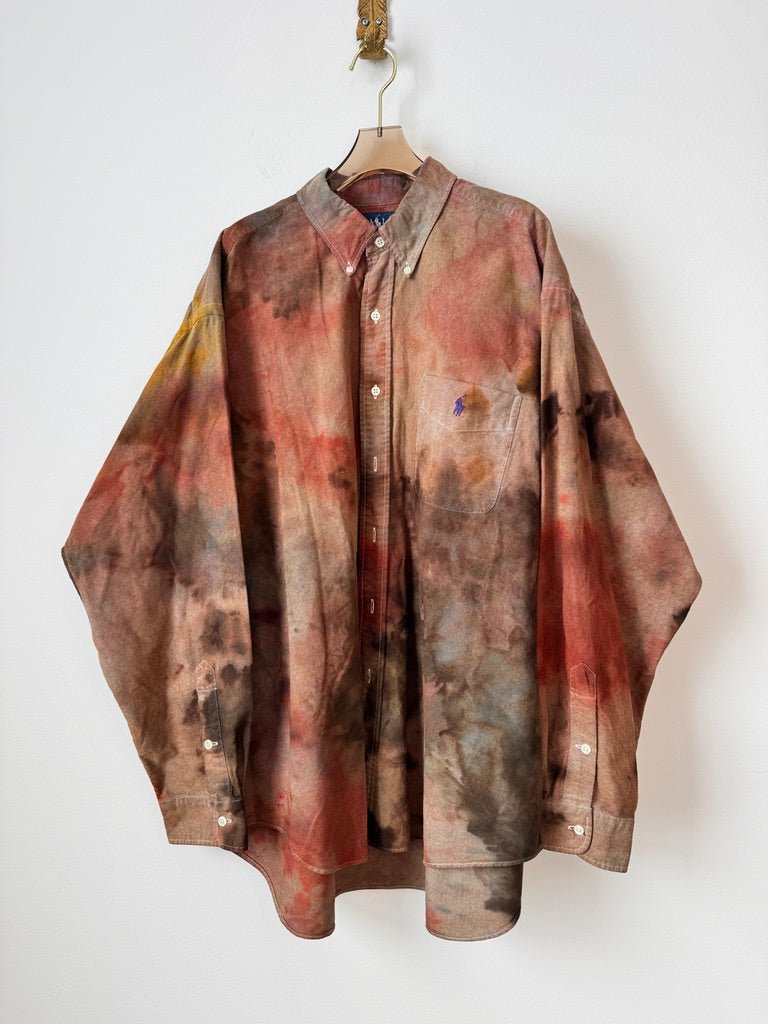
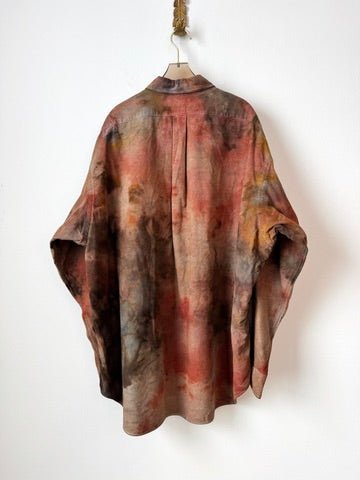
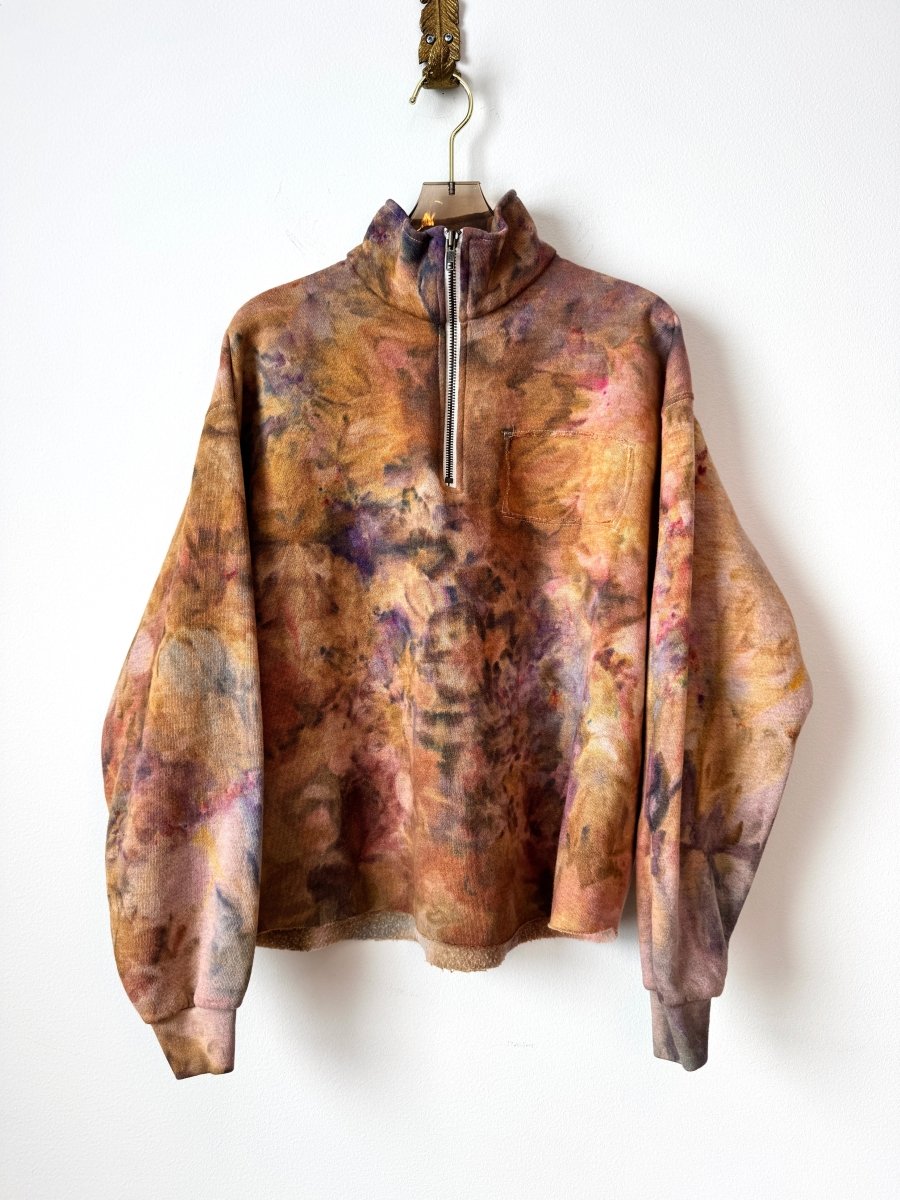
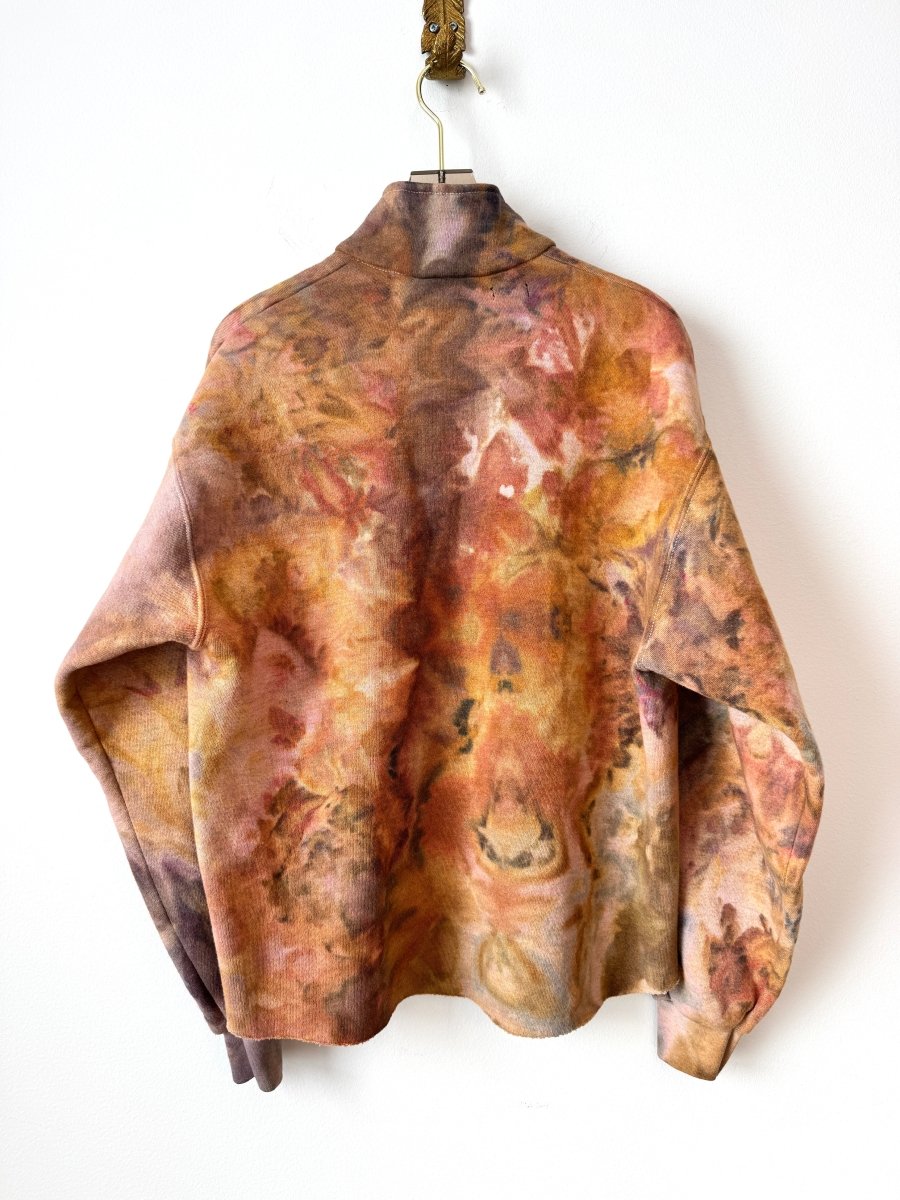
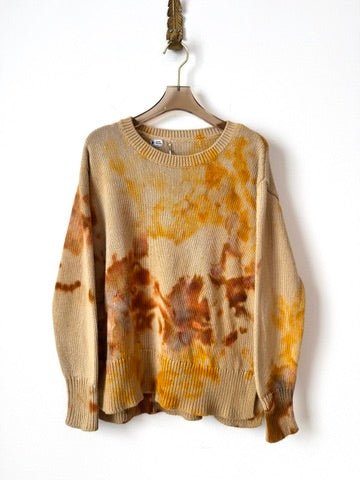
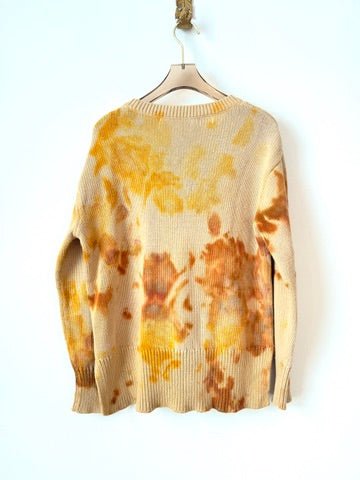
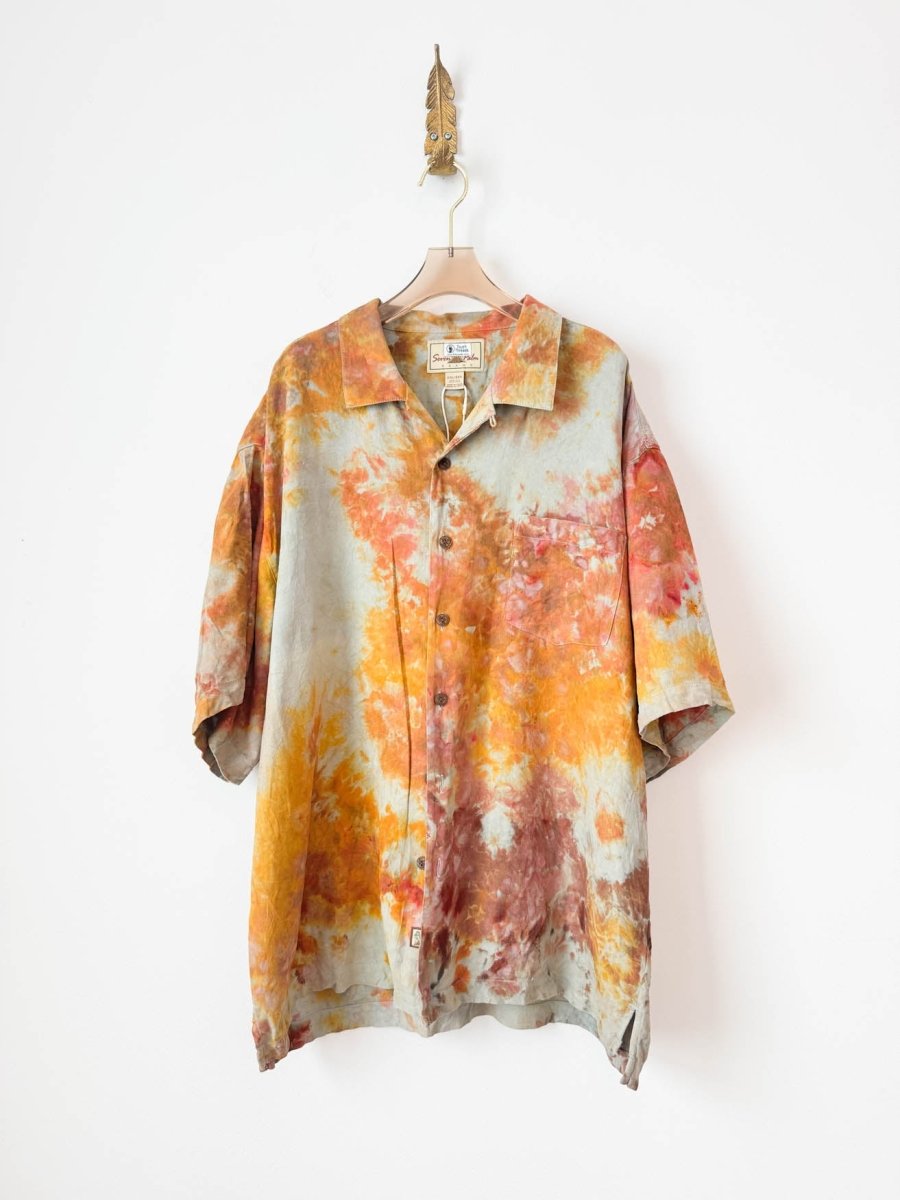
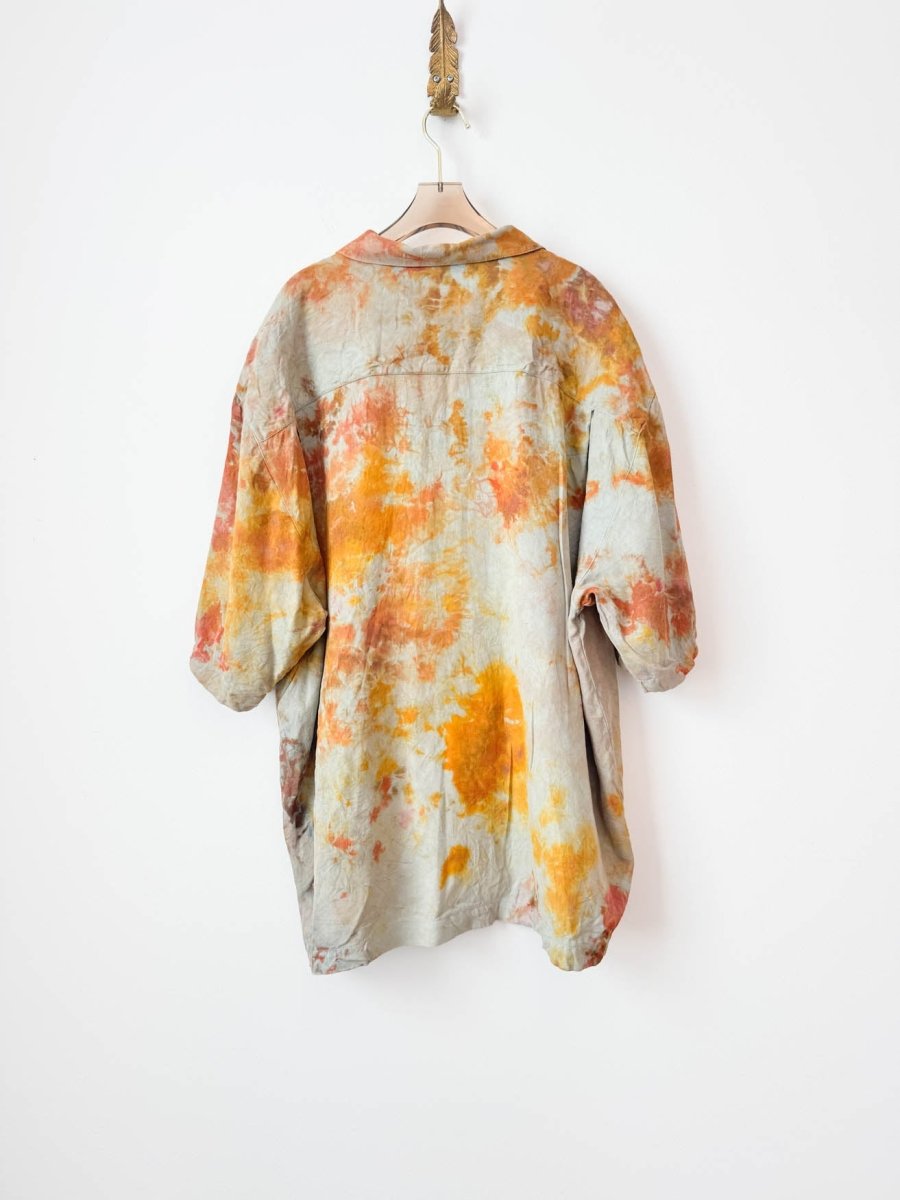
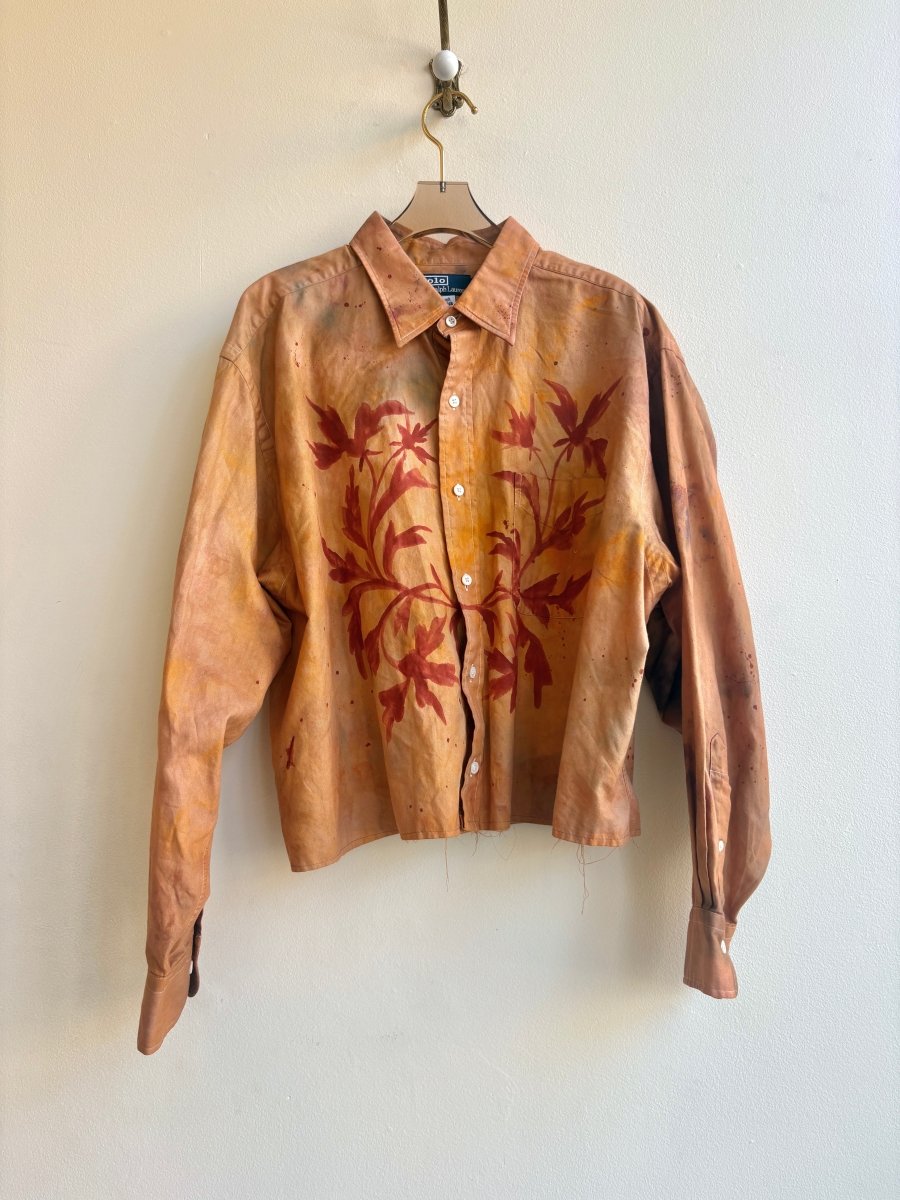
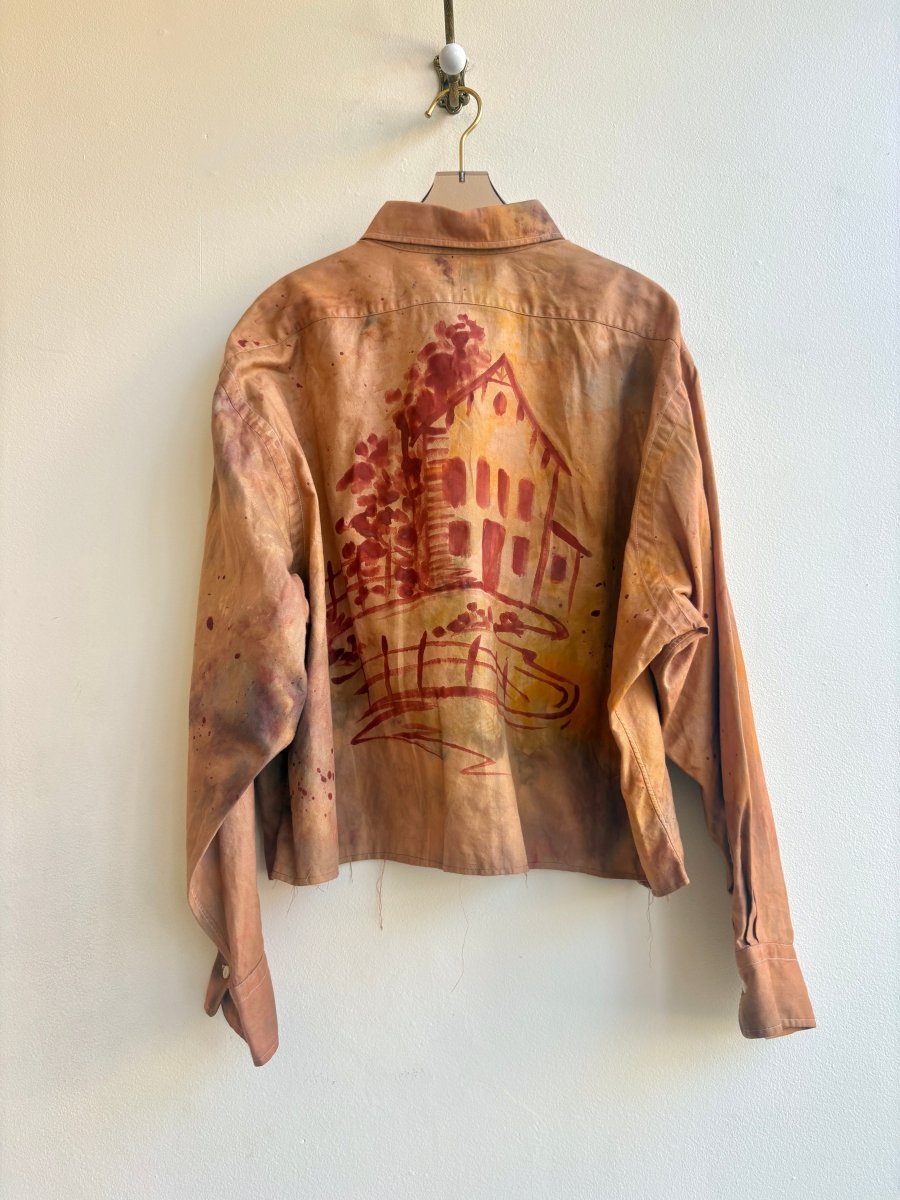
We’re so excited to welcome Moth Snow to Made X Hudson on June 20th for an afternoon blockprinting workshop from 2–5pm. Moth is a Kingston-based folk-naturalist painter whose work spans hand-painted textiles, murals, furniture, and custom objects — all rooted in the belief that art can tell the story of a person, a place, or a moment in time. Through their sustainable clothing brand Touch Threads (carried right here at Made X Hudson), they upcycle natural-fiber garments and offers custom dyeing and textile painting services. We sat down with Moth to learn more about their practice, their love of blockprinting, and what you can expect from this hands-on workshop.

You describe yourself as a “folk-naturalist painter.” What does that phrase mean to you, and how does that sensibility show up in your blockprinting work?
I describe my work as folk-naturalist because I draw so much inspiration from the natural world, textile and craft history, and mystic symbology. I believe that my library of images has a crossover within these realms that feels antique with a modern twist. I reference a lot of museum libraries, historic quilt books, and the beauty of spending slow, intentional time in nature.
I love spending time working with my hands, and block printing became a way for me to offer unique drawings while taking advantage of the ease of repetition. I freehand my drawings onto my transfer paper and can spend hours carving designs. This is a wonderfully meditative process, and slowly revealing the image is a practice of patience and discovery.
Blockprinting is one of the oldest forms of textile printing in the world. What drew you to it, and what keeps you coming back to it as a practice?
I was introduced to block printing as a young teen and have had the pleasure of traveling to observe various printmaking practices around the world. The practice walks you through designing, transferring, carving, testing, re-carving, and finally printing. I find that each step requires its own level of care and intention, each material requiring a different amount of effort. Even if a design is repeated, every print still has the hand-made effect of the day it was made, the age of the block, or the fabric used as the base. In a world where we can be so instantly gratified, it’s a return to slower production and the unique qualities of whoever’s hands made the marks.
For someone who loves wearable art — hand-painted clothing, garments with artwork on them — but has never tried making it themselves, why is blockprinting such a great entry point?
Block printing is so satisfying and relatively immediate. You can really design to fit a wide variety of uses. I tend to print on fabric, pre-loved clothing, and some paper goods, but you can use them to stamp your walls, imprint ceramics, make repeat patterns for design, and I could go on and on. Once you make a block, it can live as so many different things; they are very sturdy, and it’s a cost-effective hobby that's easy to get into, with a wide array of ways to dive deeper.

What’s the difference between a mass-produced printed garment and something that’s been hand-blocked or hand-painted? What do people feel when they put on something made that way?
I’ve been customizing clothes with hand painting, dyeing, and block printing for over 10 years now. Each time I see someone find their piece, there’s a sense of authentic connection. Finding a resonance with a symbol or a feeling that catches their attention and makes them feel more themselves when they wear it. Customizing your wardrobe is a great way to self-express; there are a multitude of interests you can signal by wearing a certain style or item. I make items that are totally one-of-a-kind, just like you or me. There’s no true repeats ever, even if I’m using the same blocks, they're arranged in a slightly different way or on a different cut of the cloth. I think this makes them so special and feel more curated than being one of a thousand units. Returning to slower fashion means making things with more intention. I hope that feeling lives in these items long after they’ve left my hands.
For someone attending the June 20th workshop, what should they expect? What will they walk away with — both literally and creatively?
I’ll walk participants through the entire process, from design to carving and fabric printing. They’ll be able to experience carving on a manageable scale, a 4x6 surface, that they can use to make a few small carvings or one larger design. I’ll share all my tips and tricks from my last decade of printmaking, along with lots of guidance on best practices. They’ll walk away with their blocks, a few printed garments, and a sense of confidence and satisfaction. I’ll also bring along my library of blocks so everyone can print a few more images. This collection includes a few of my most requested designs, like a large falcon, a barbed wire link, lots of florals, and my favorite Tiny Blocks. (a collection of antique vessels and chairs) This is a great chance to try a new hobby with lots of opportunities to experiment in a stress-free way.
 How should someone care for a blockprinted or hand-painted garment to keep it looking its best? Any washing or storage tips?
I will always recommend a cold-water wash, inside out (to minimize friction on the garment's surface), and a low tumble dry or line dry, depending on the fabric! I have had garments with printing and painting on them for years without any fallout. I’m happy to give out all my tips and tricks at class in June!
What do you hope students take home beyond the finished piece — what’s the feeling or idea you most want to leave them with?
I have taught classes and been part of art education alongside my studio practice for as long as I’ve been making work. I think it’s so important and useful to everyone's creative spirit to share information and what has worked for them. I trust that everyone can make art that is unique to them because their hands made it, their backgrounds, history, and culture influence it. I love encouraging everyone to open themselves to the possibility of creating something new for themselves. A lot of art is muscle memory, and giving yourself the time for your imagination to catch up with your physicality to make something. Overall, I want every participant to feel empowered to make their mark, and if that mark is on fabric, I’ve got a lot to share.