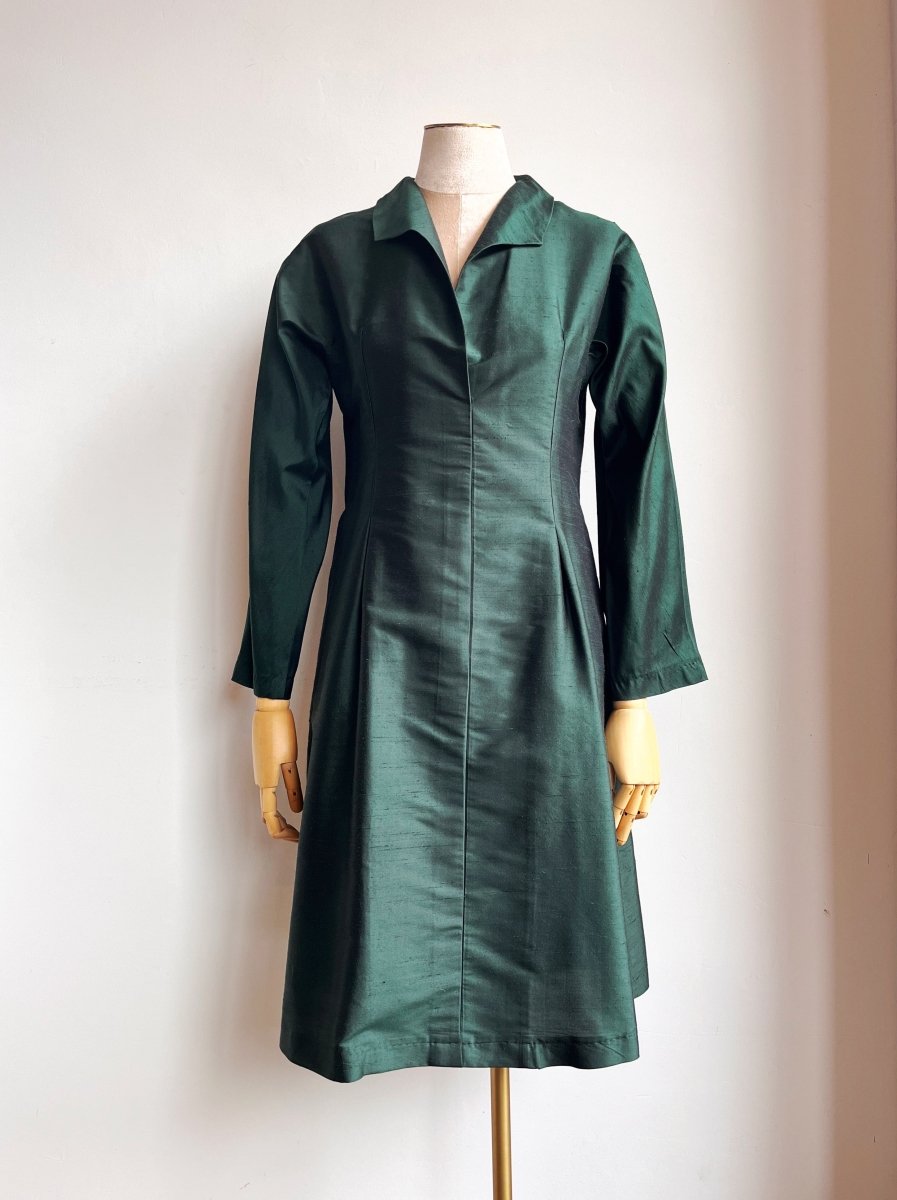
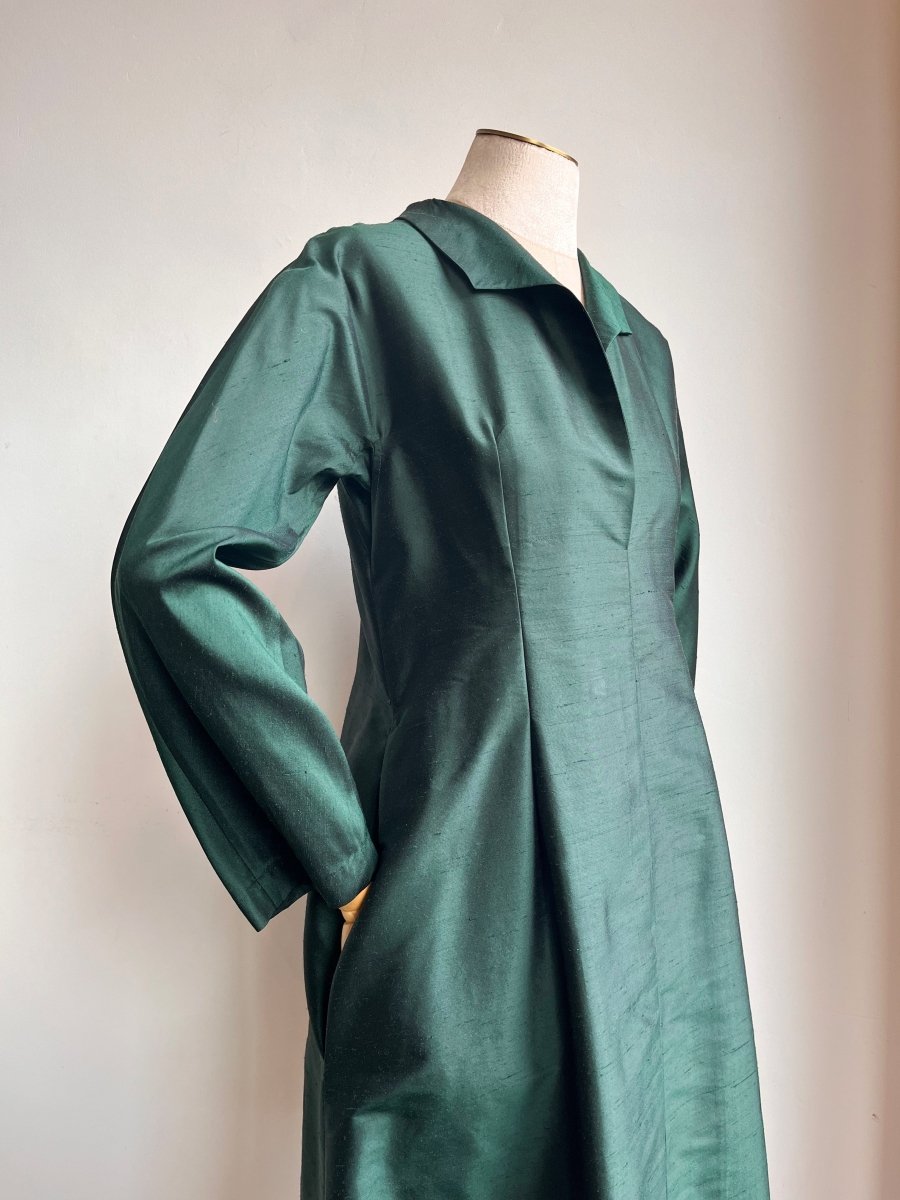
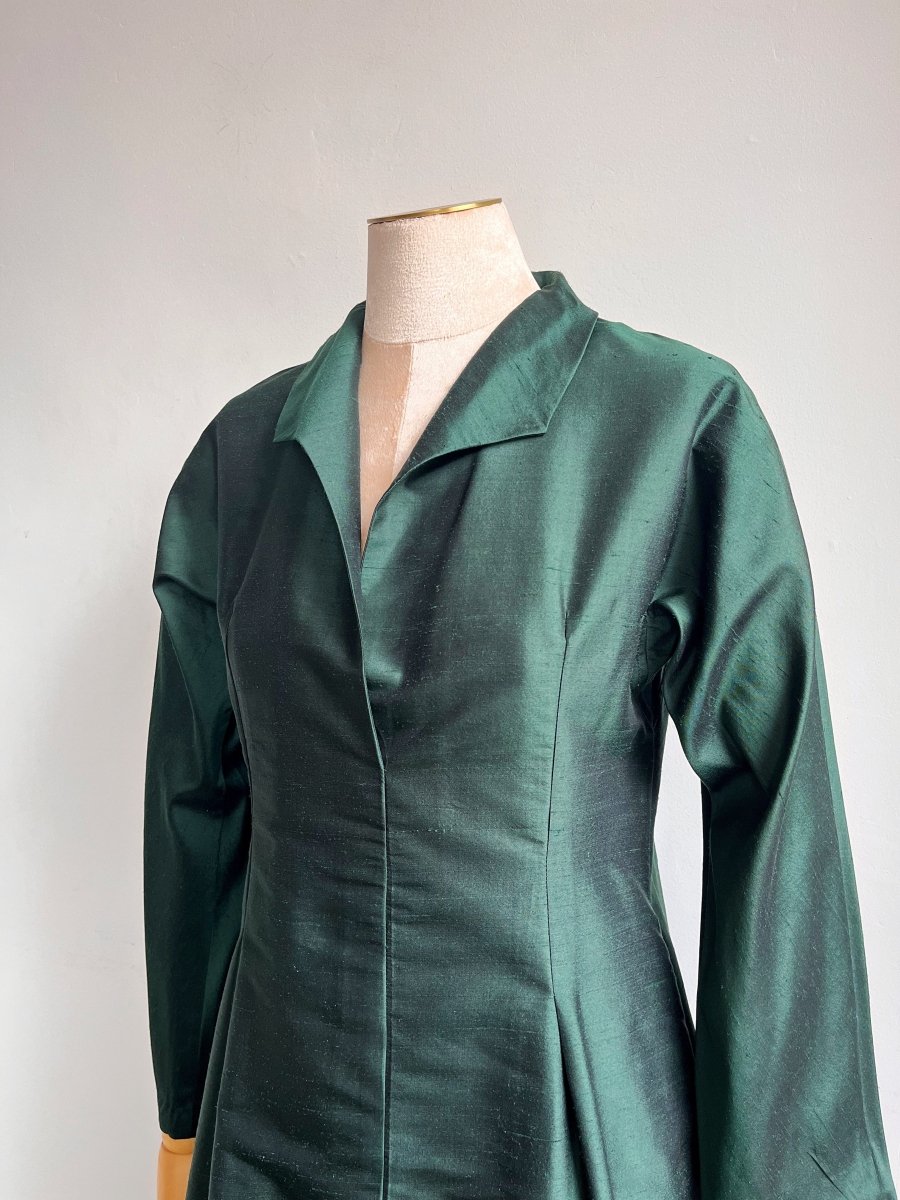
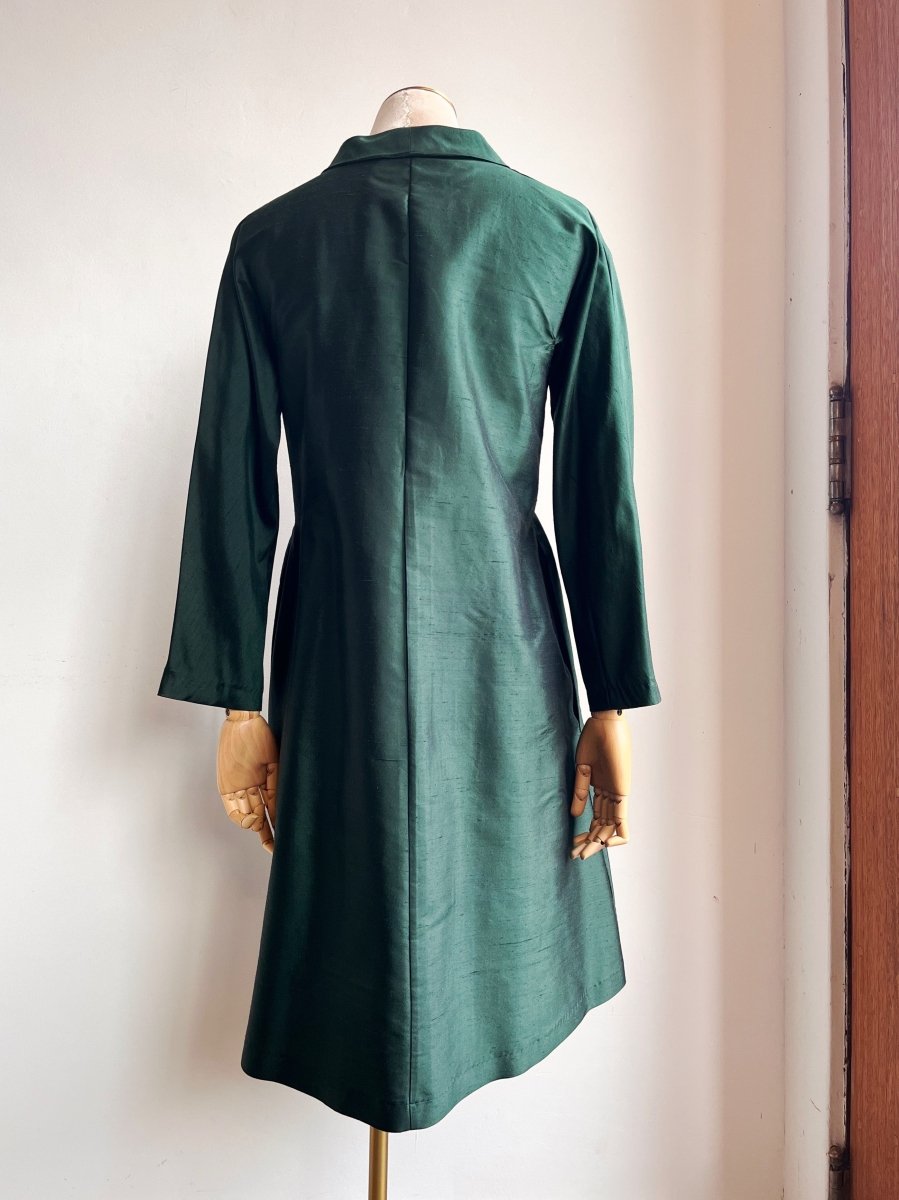
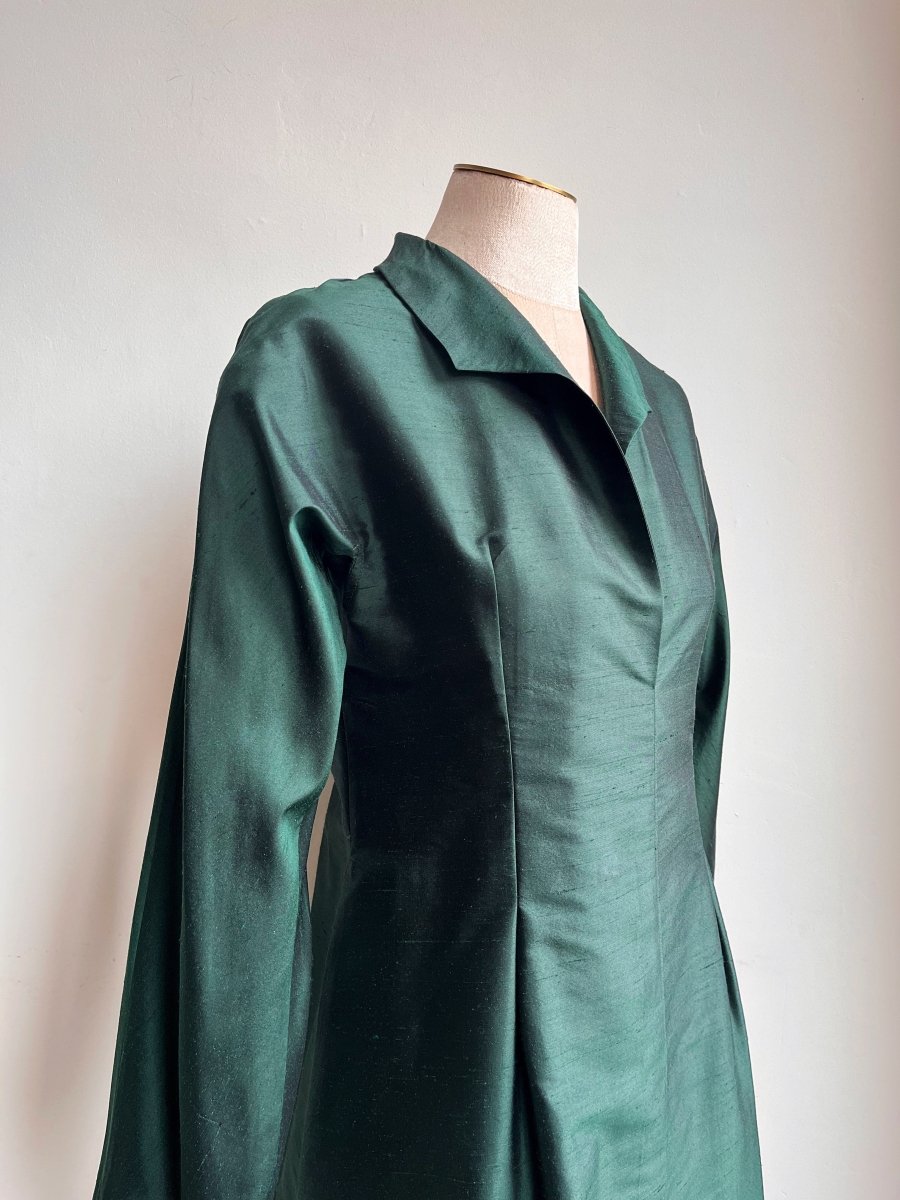
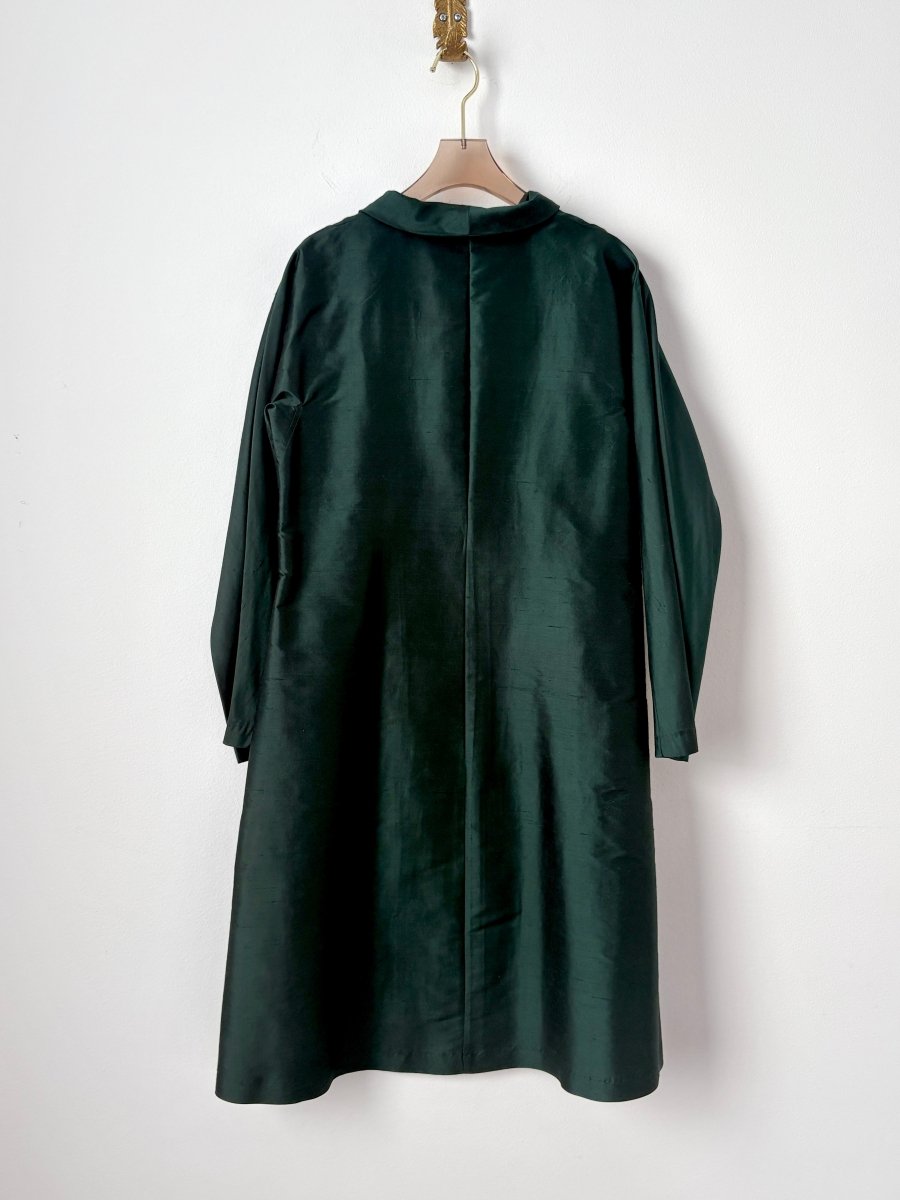
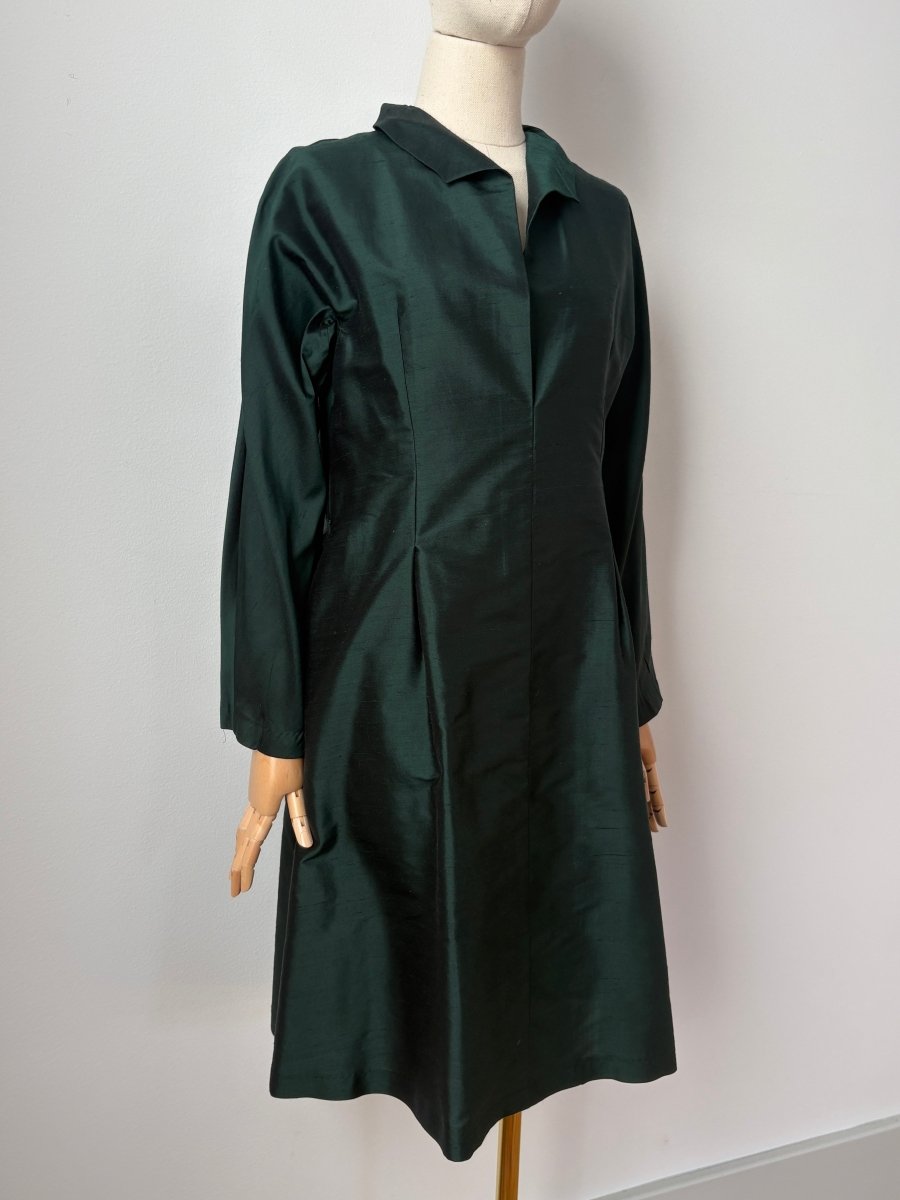
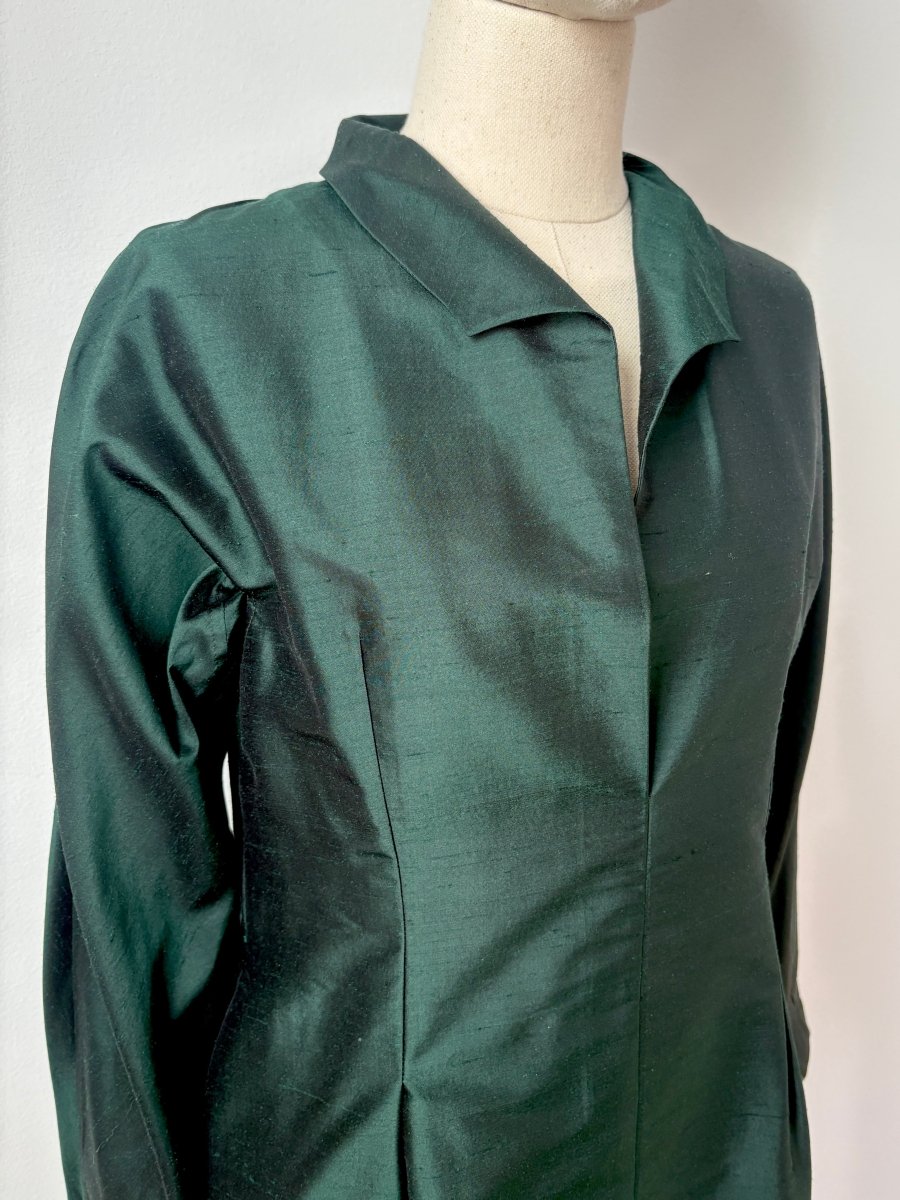
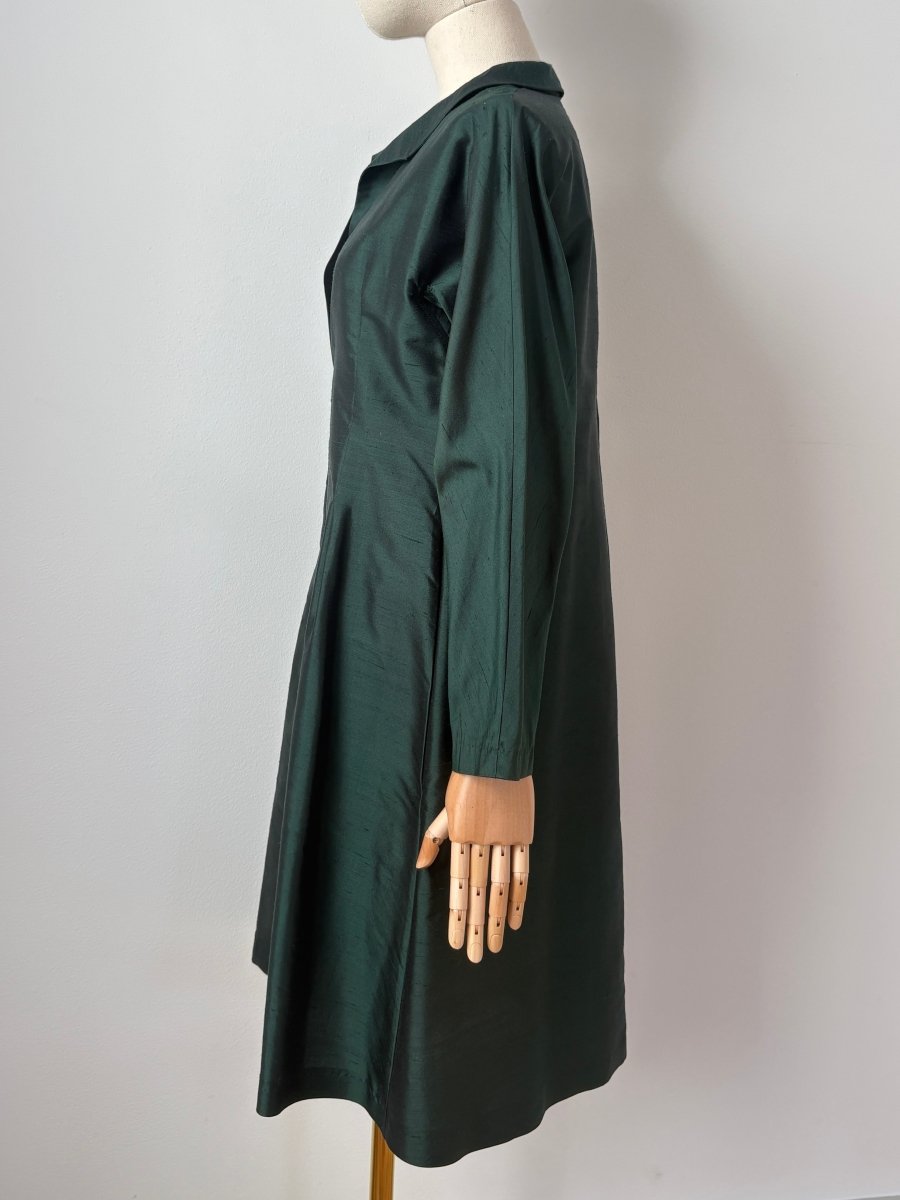
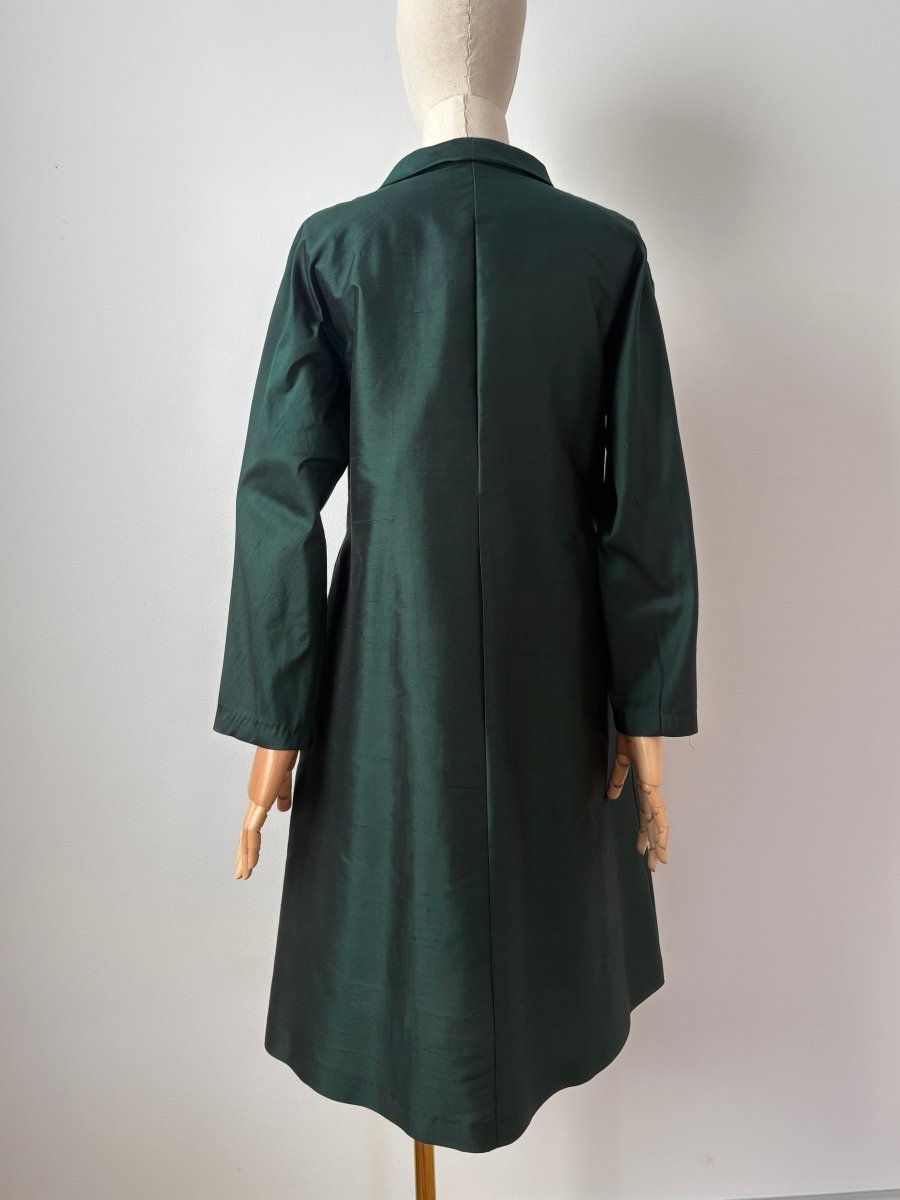
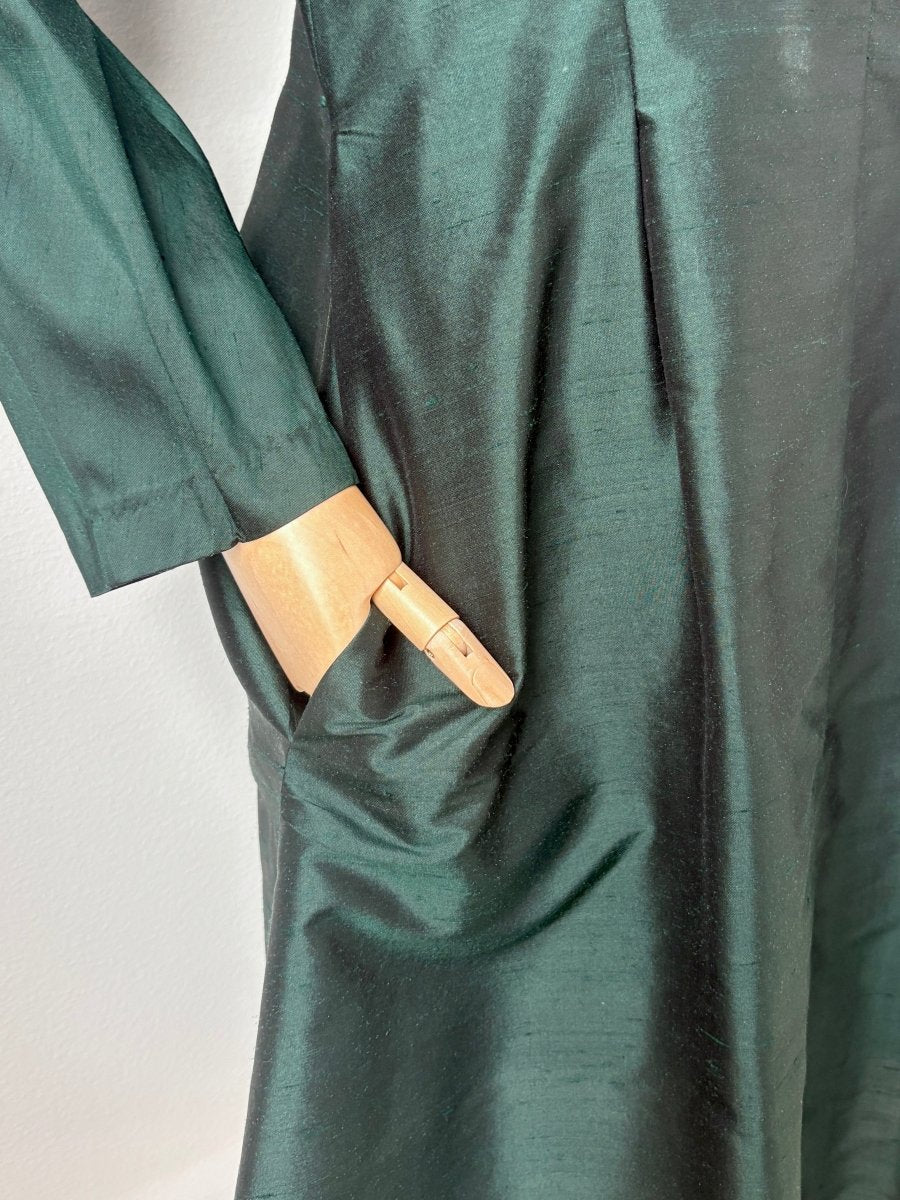
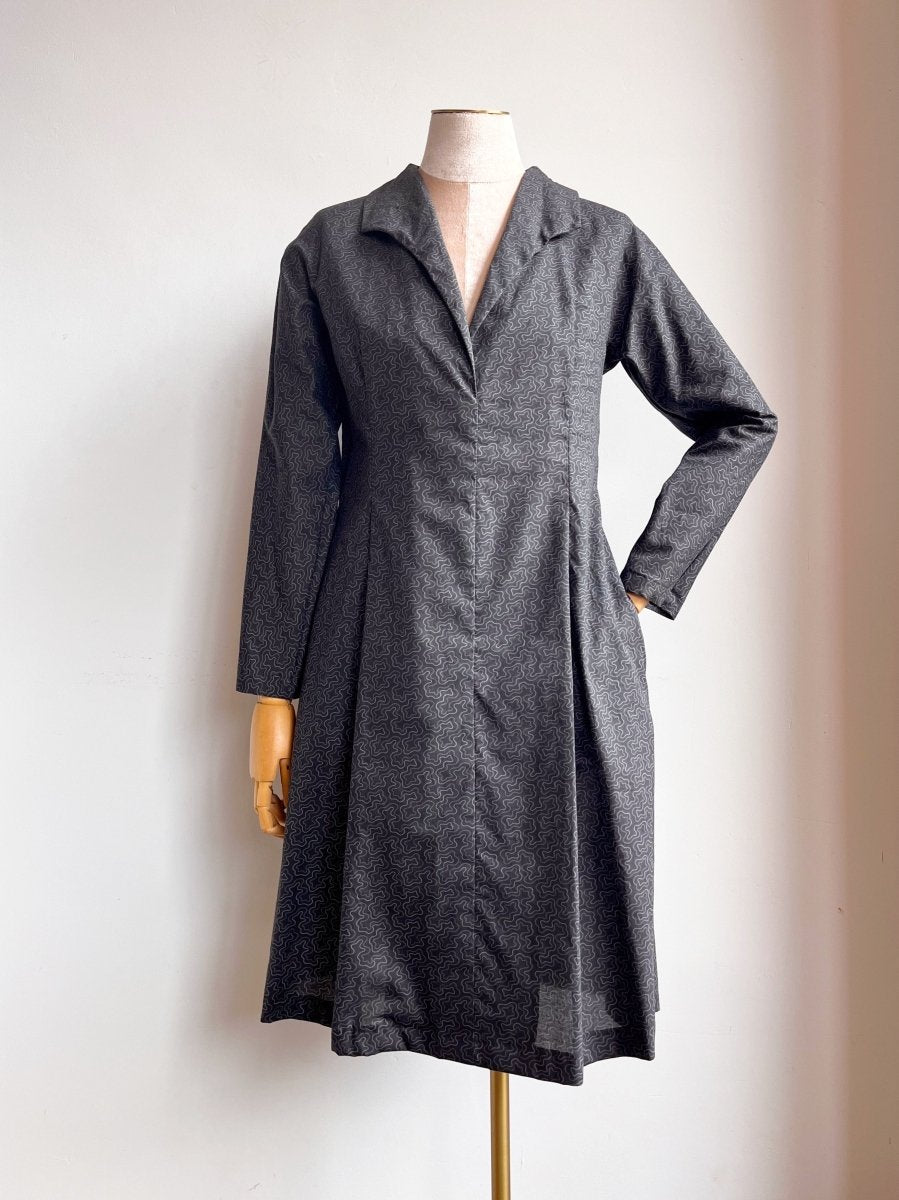
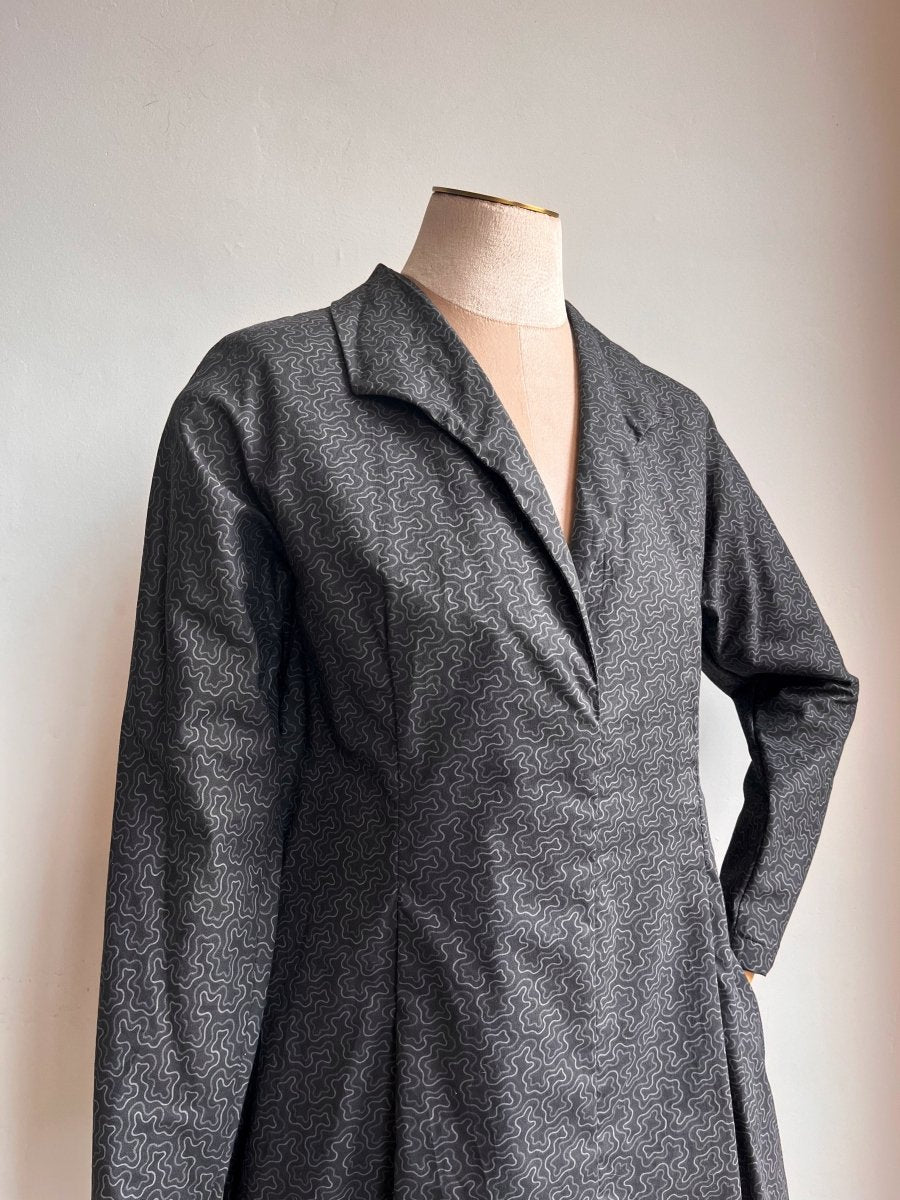
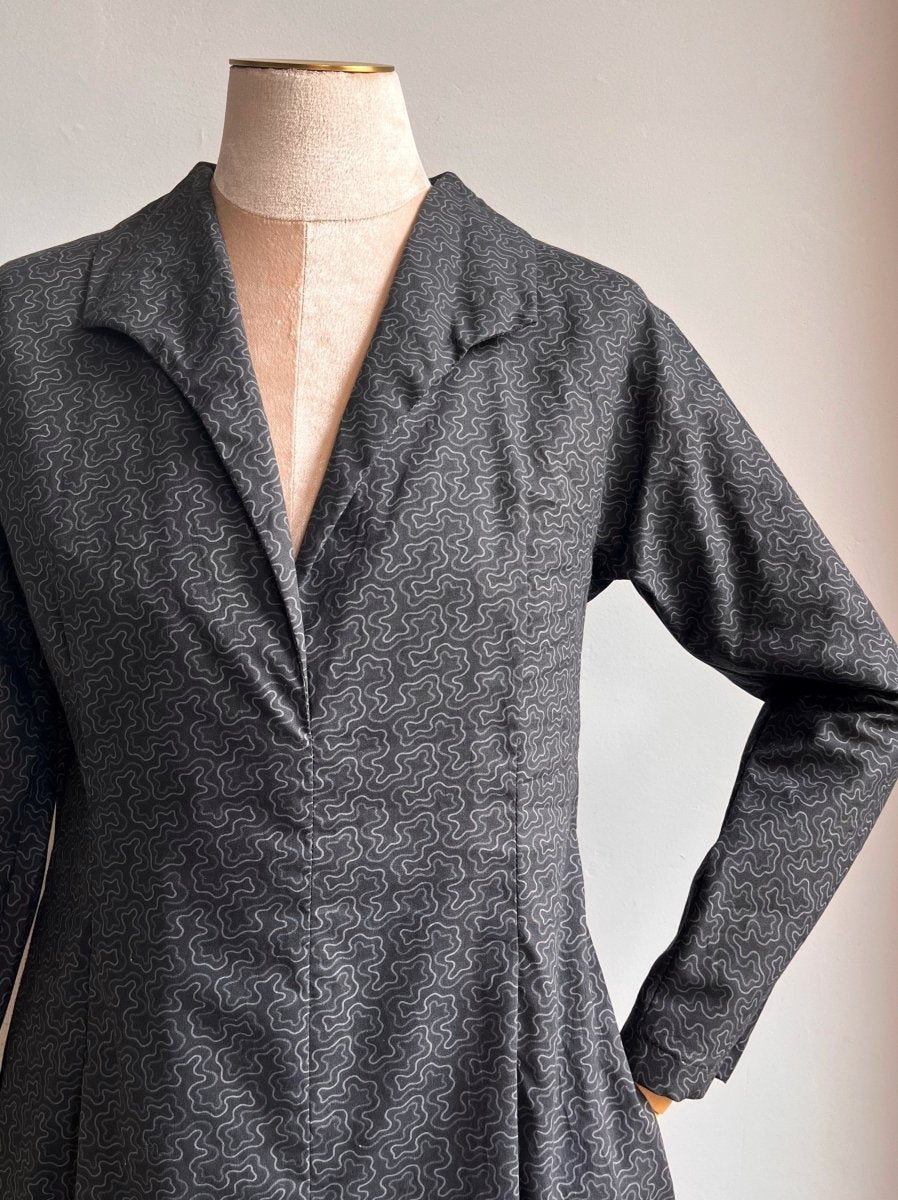
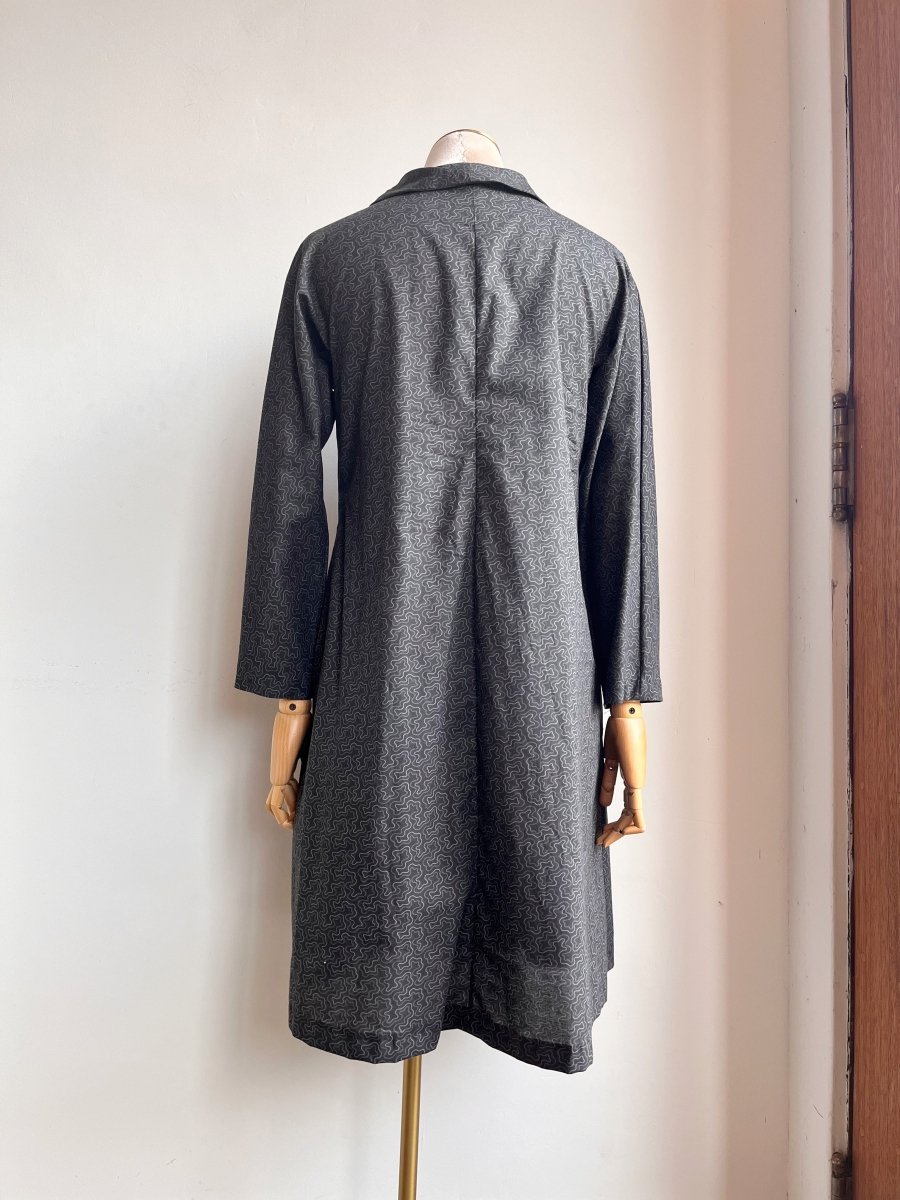
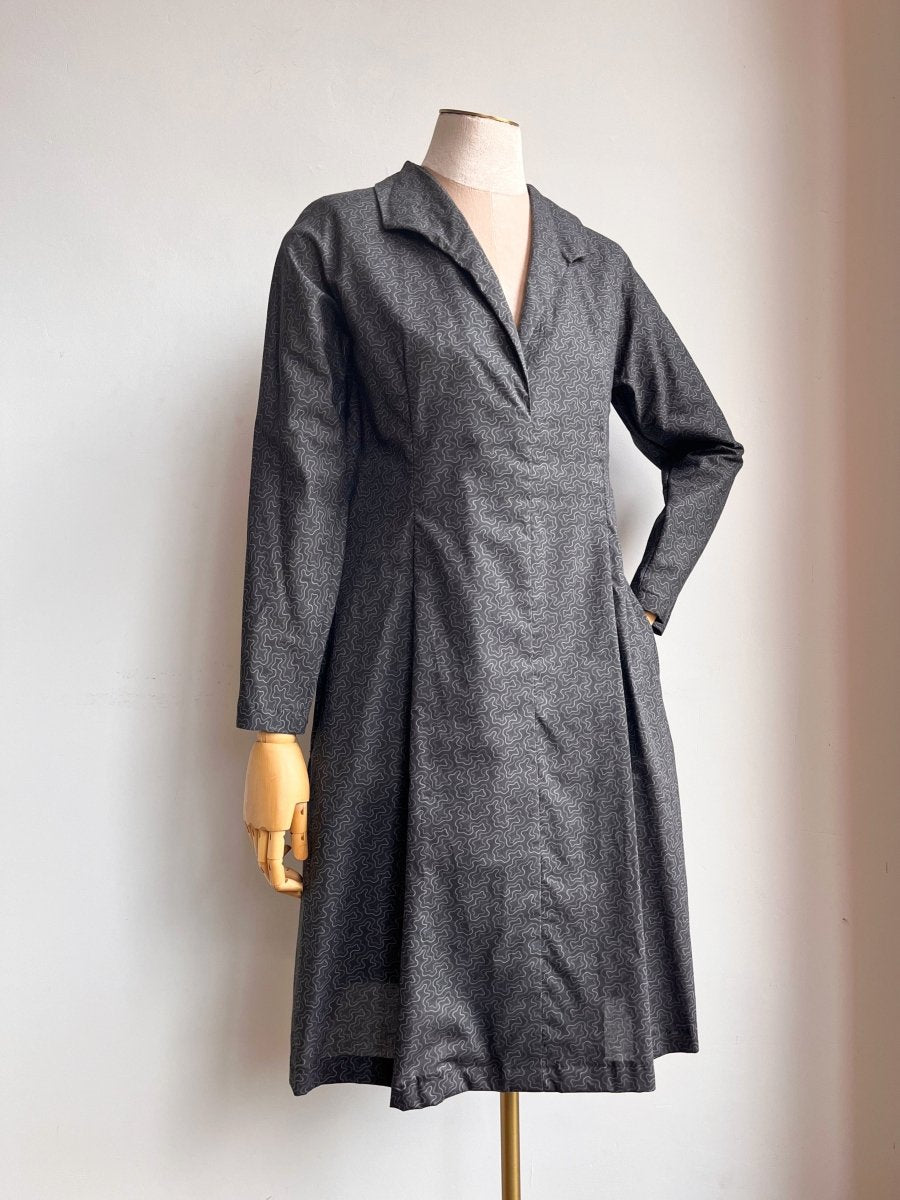
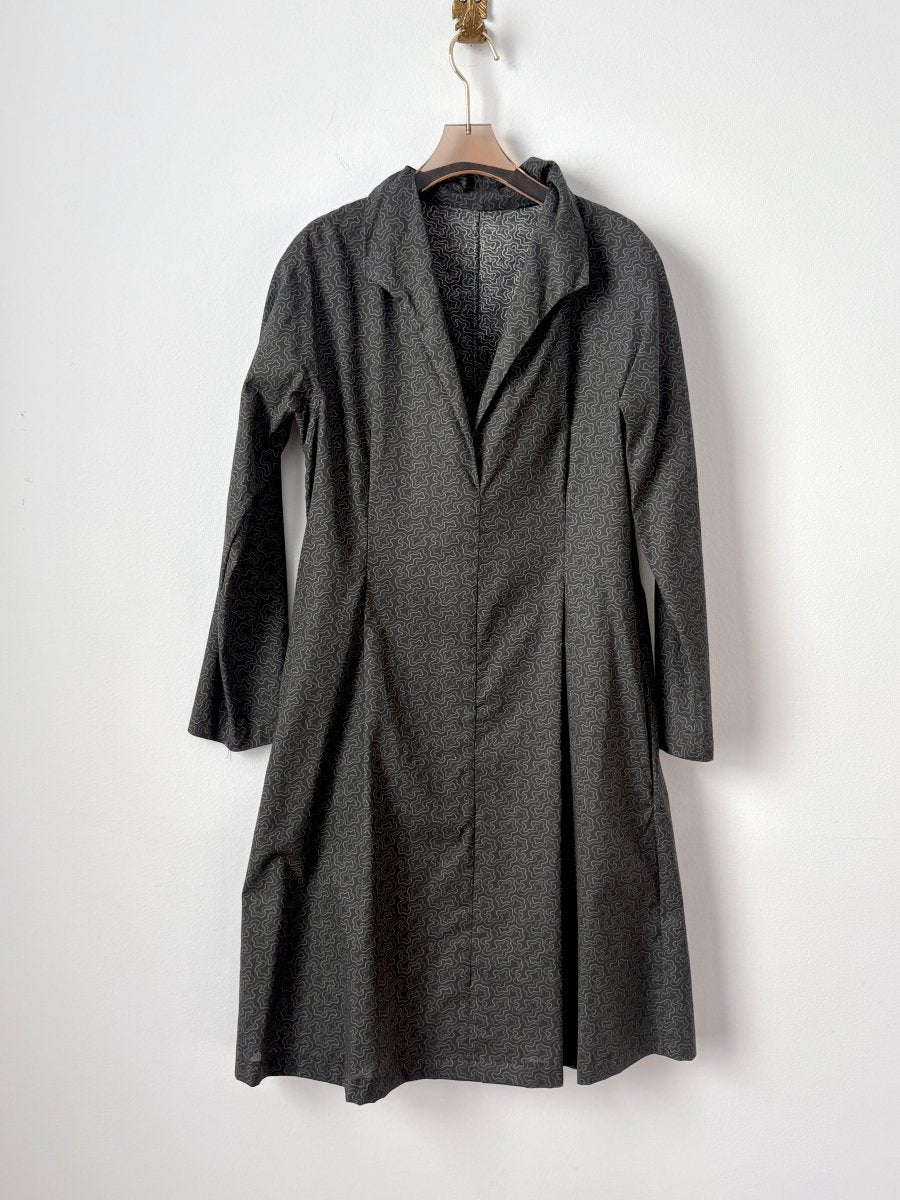
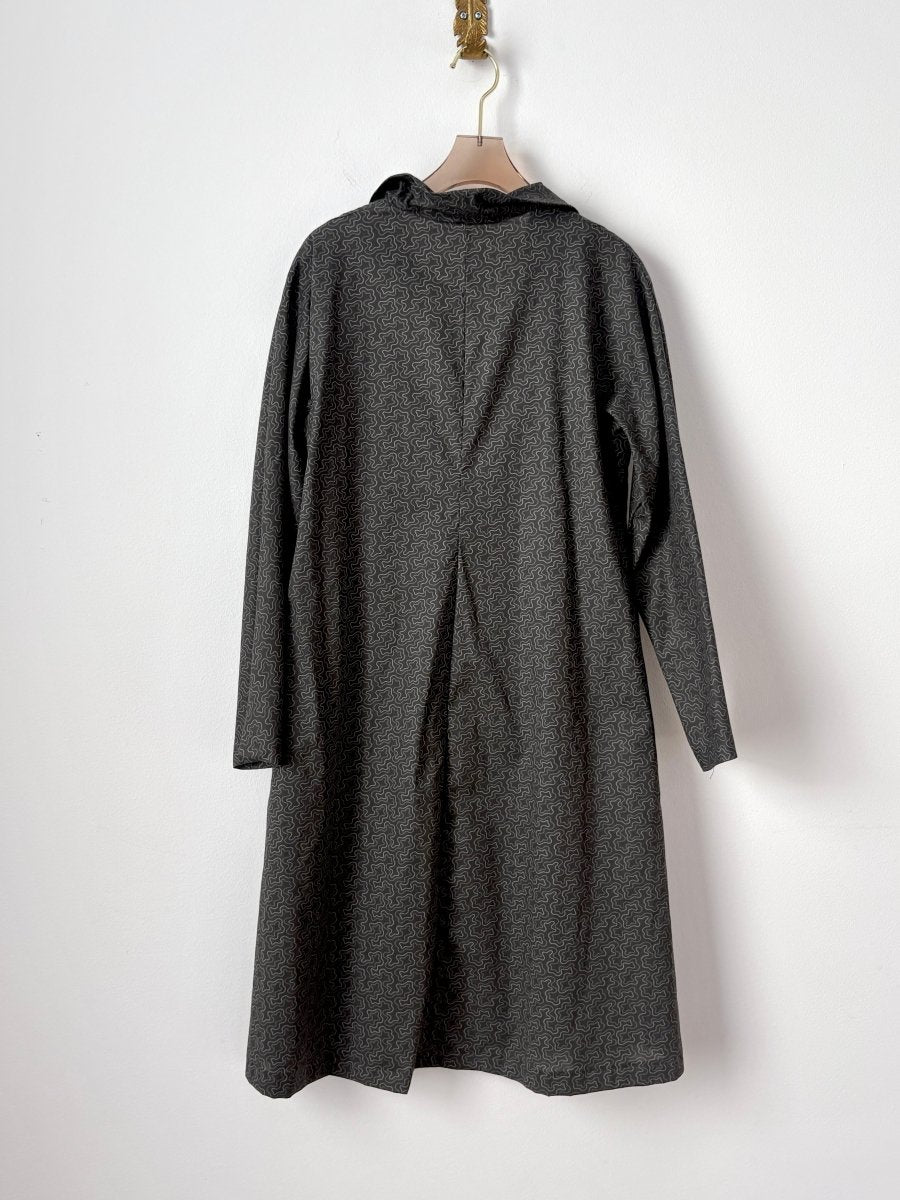
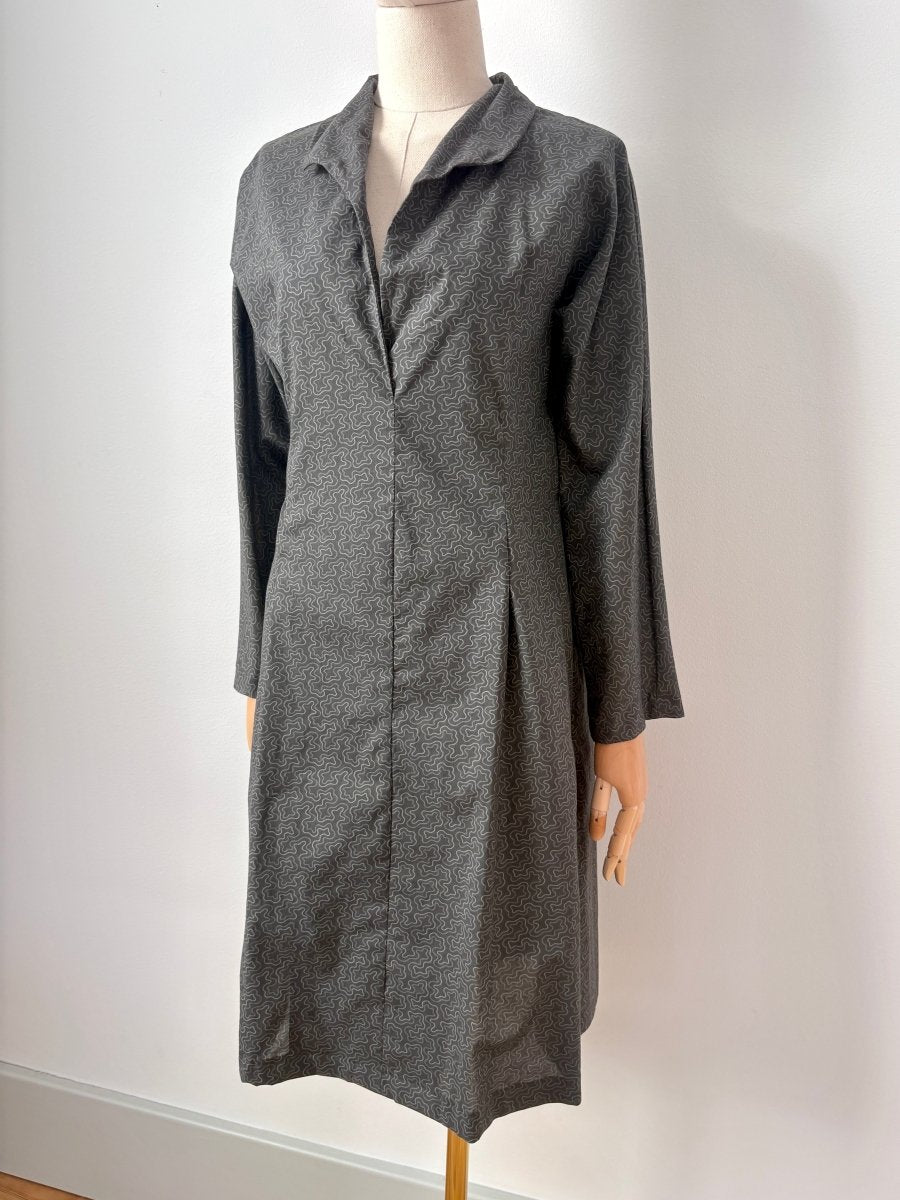
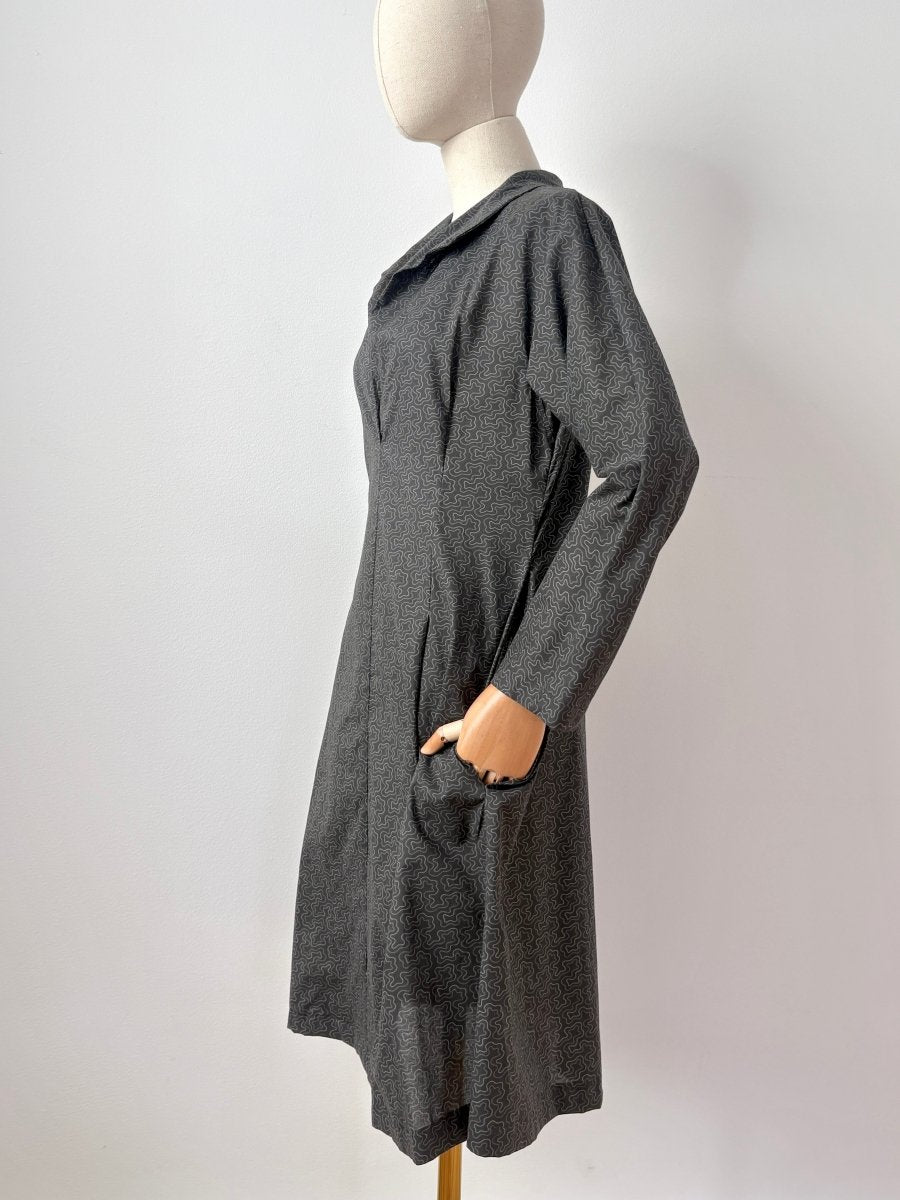
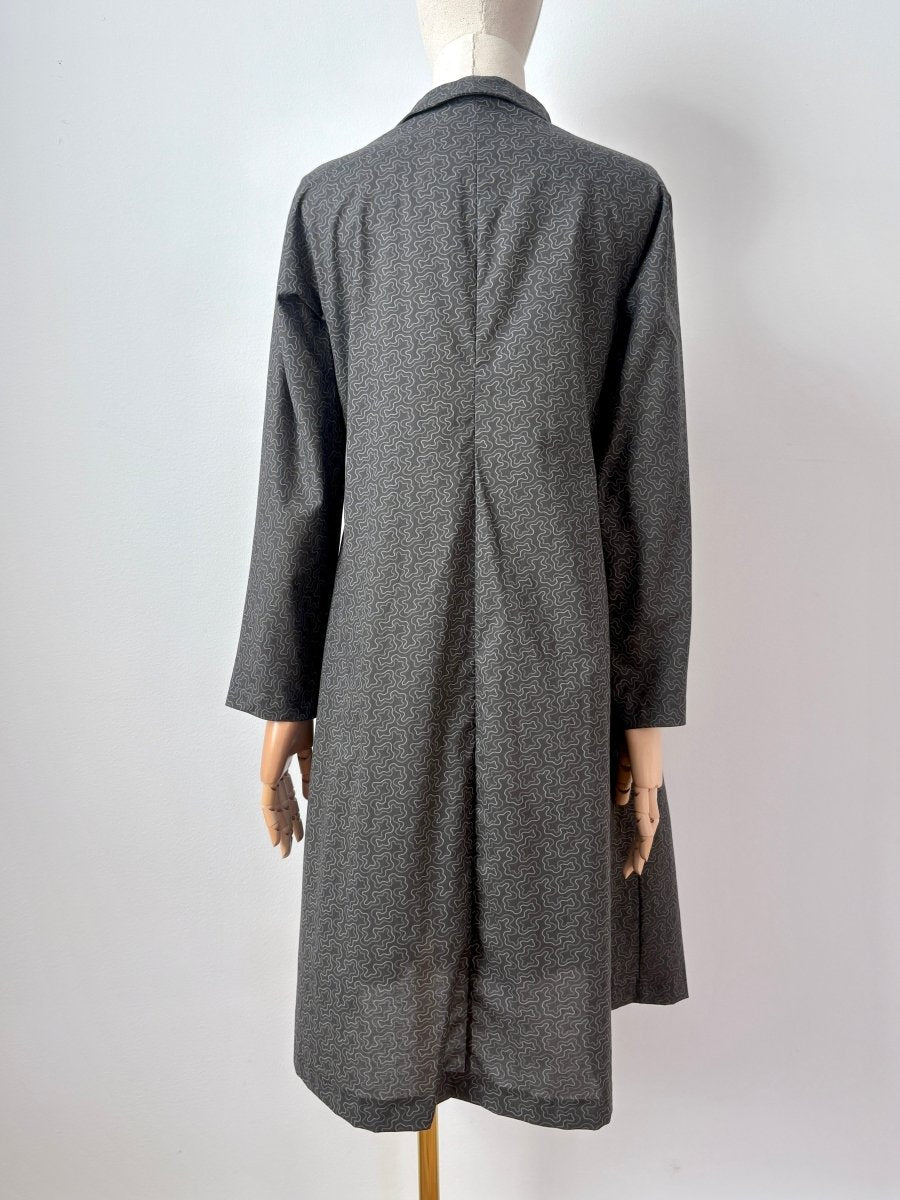
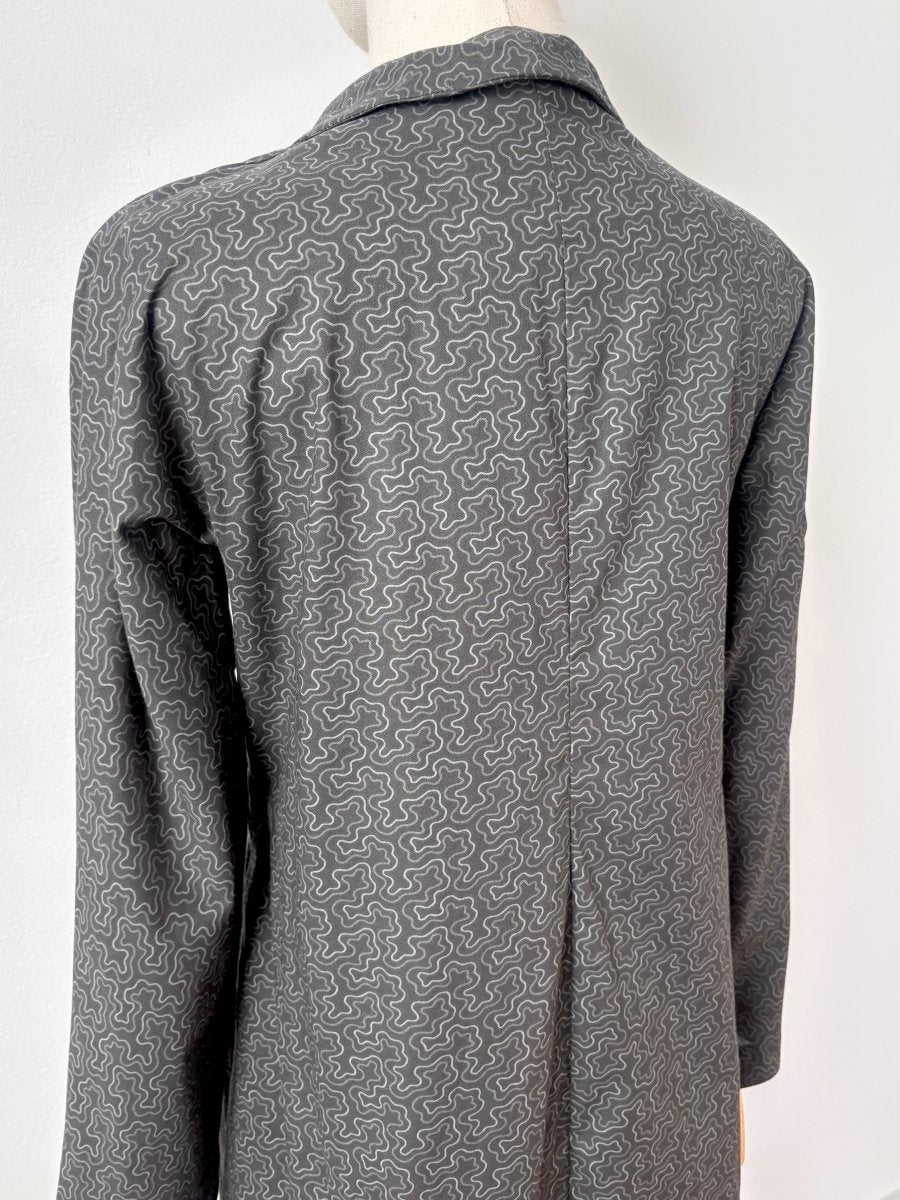
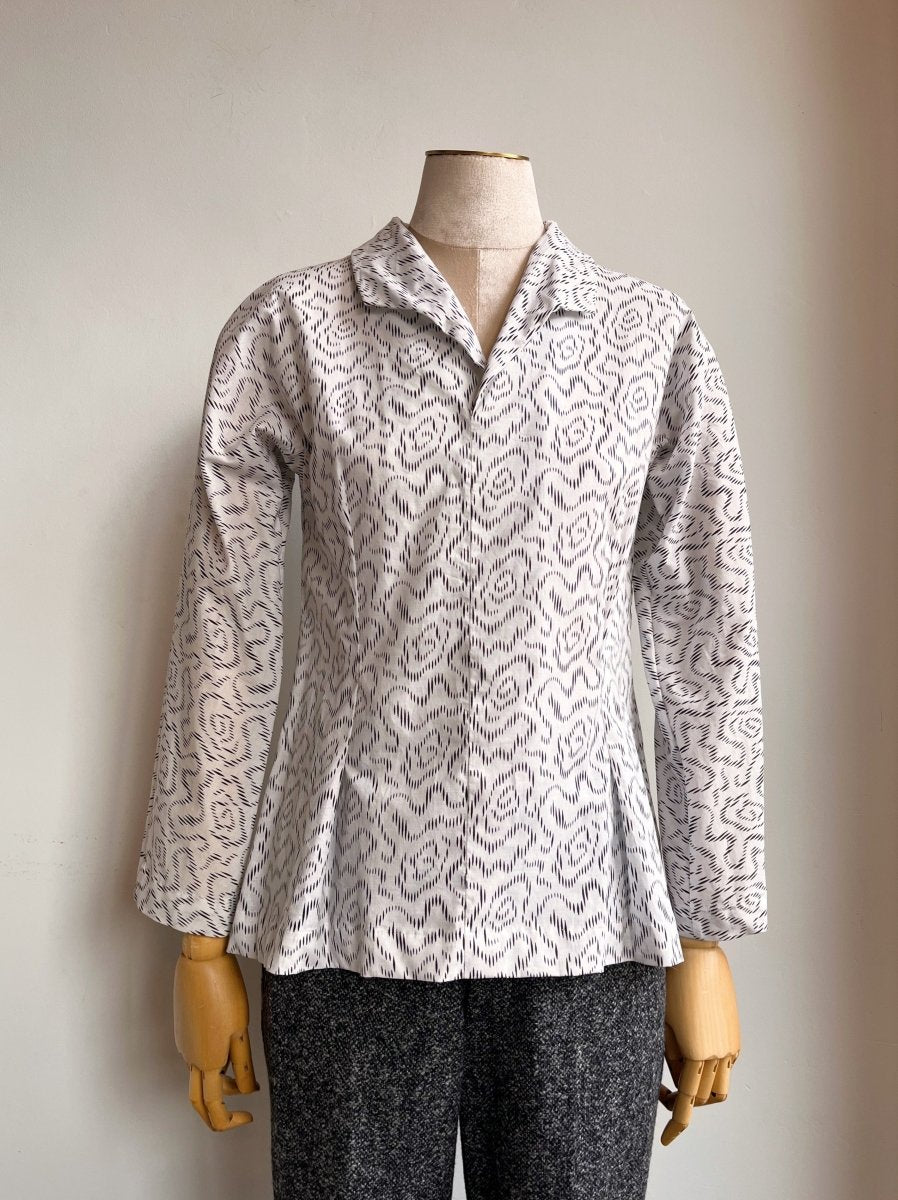
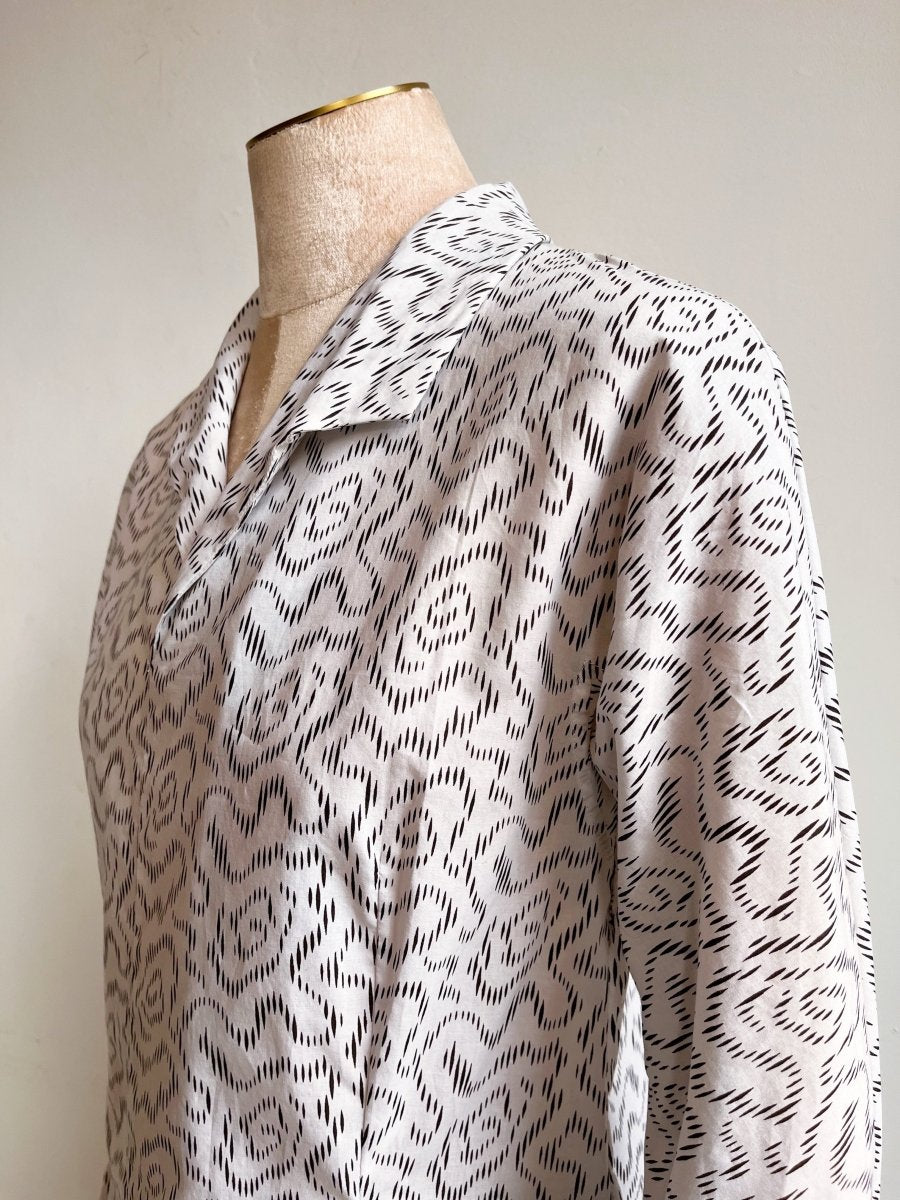
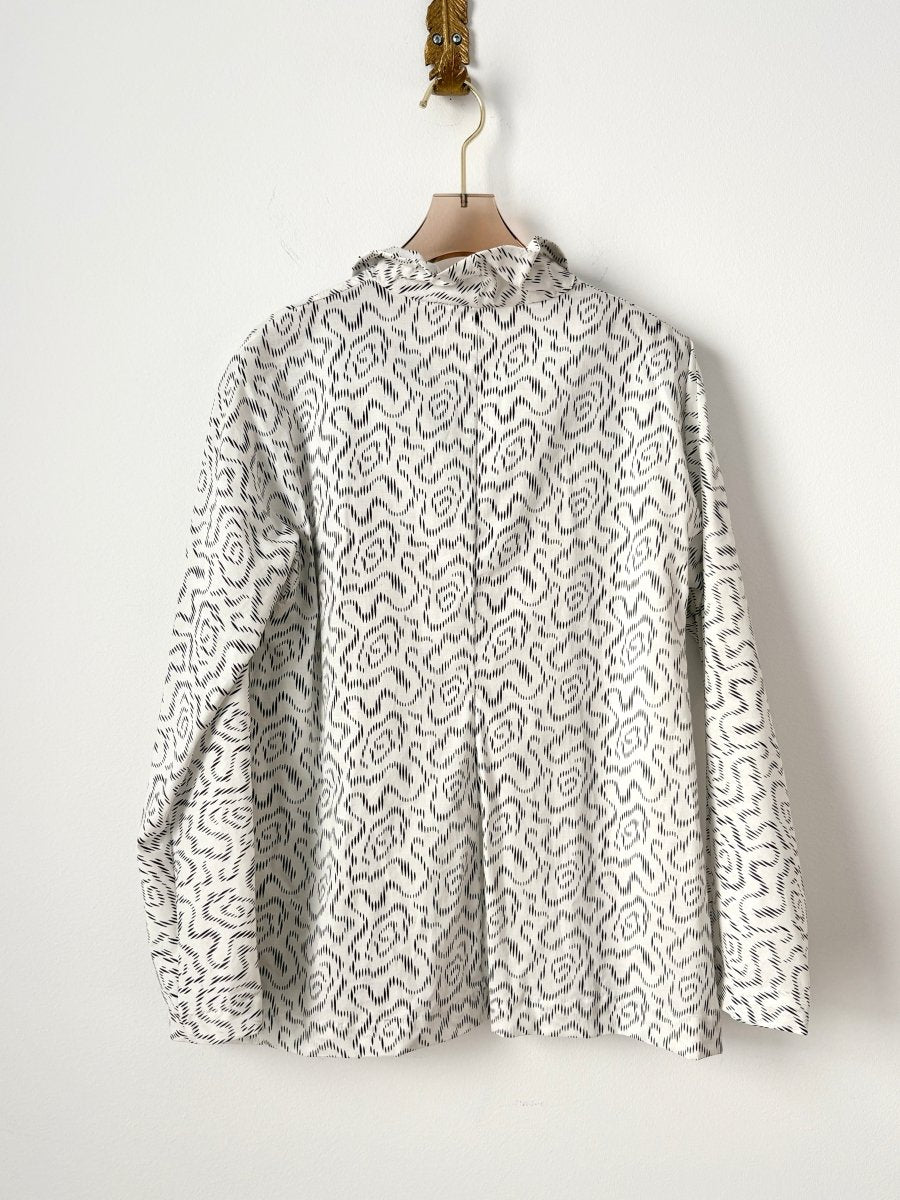
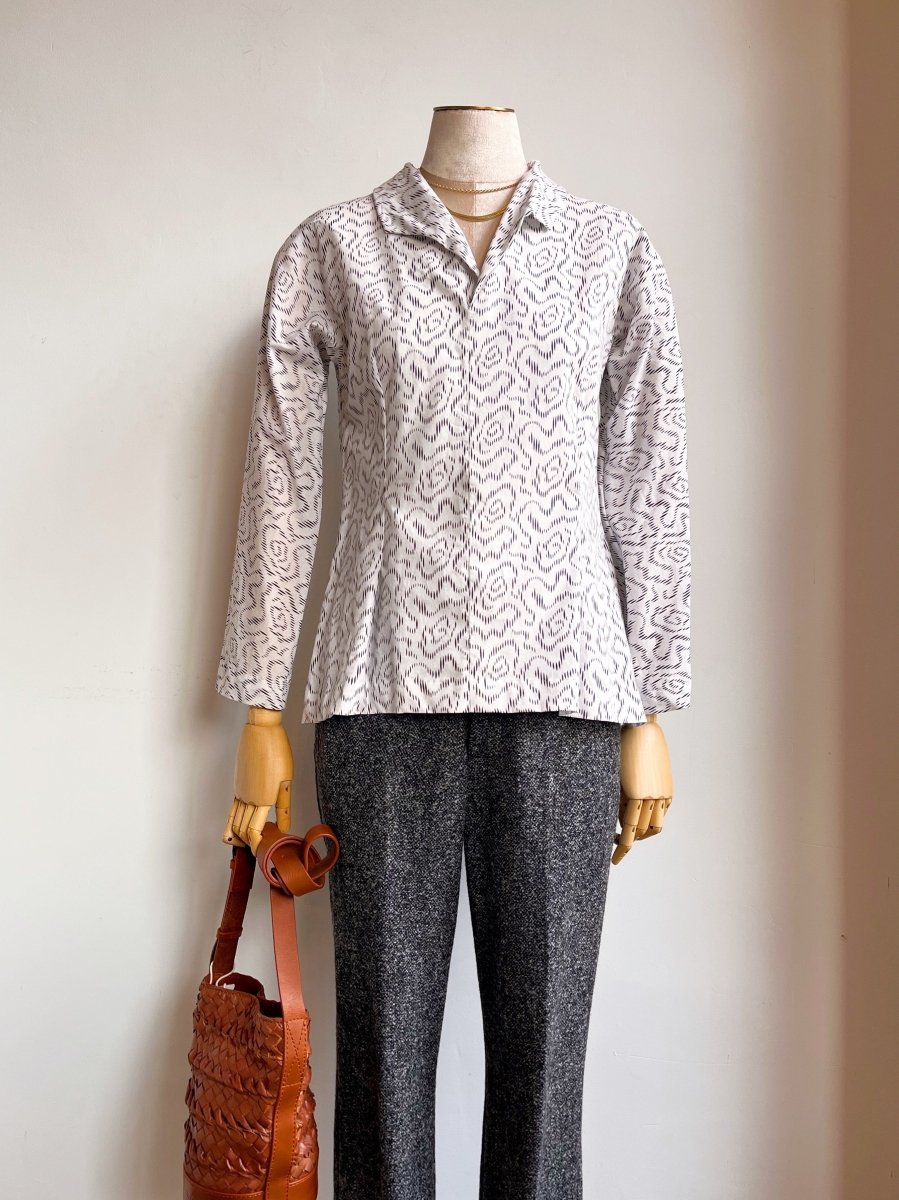
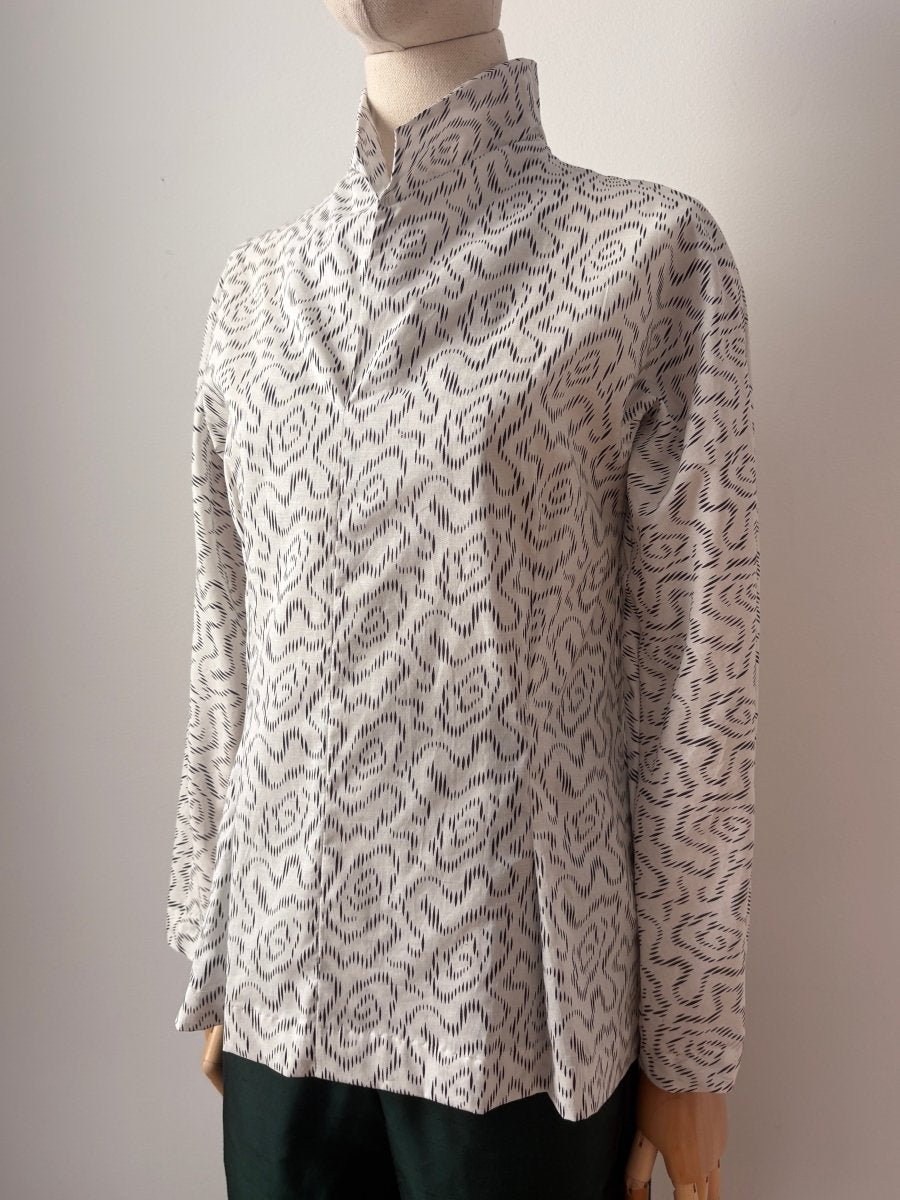
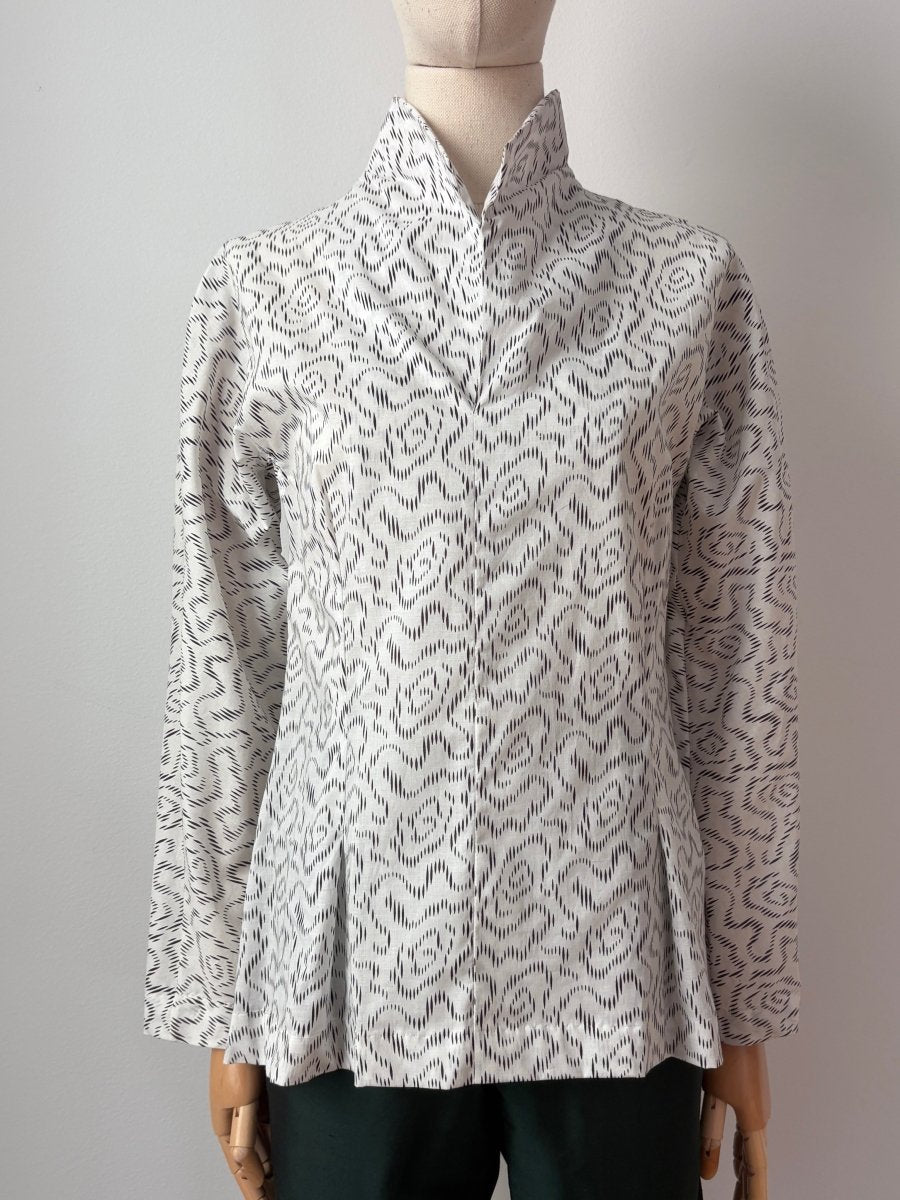
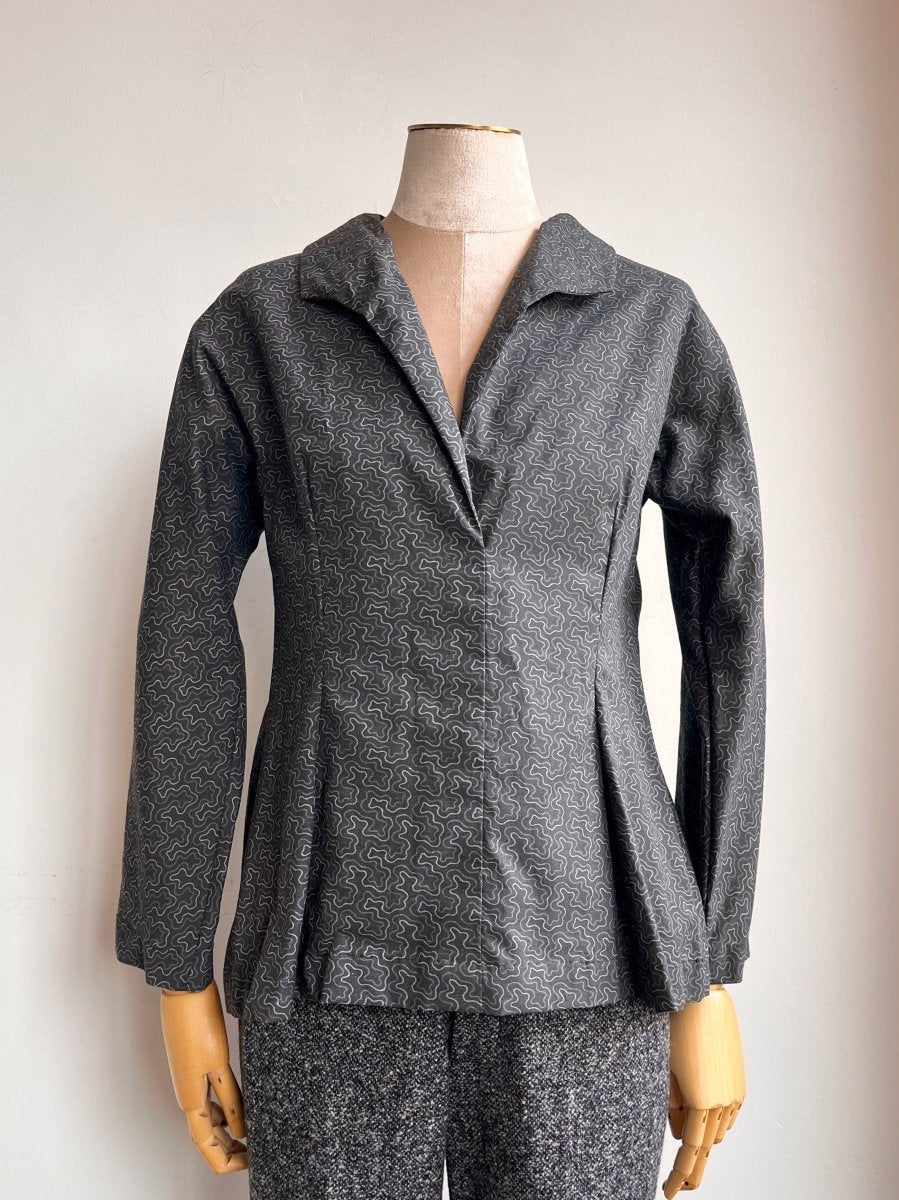
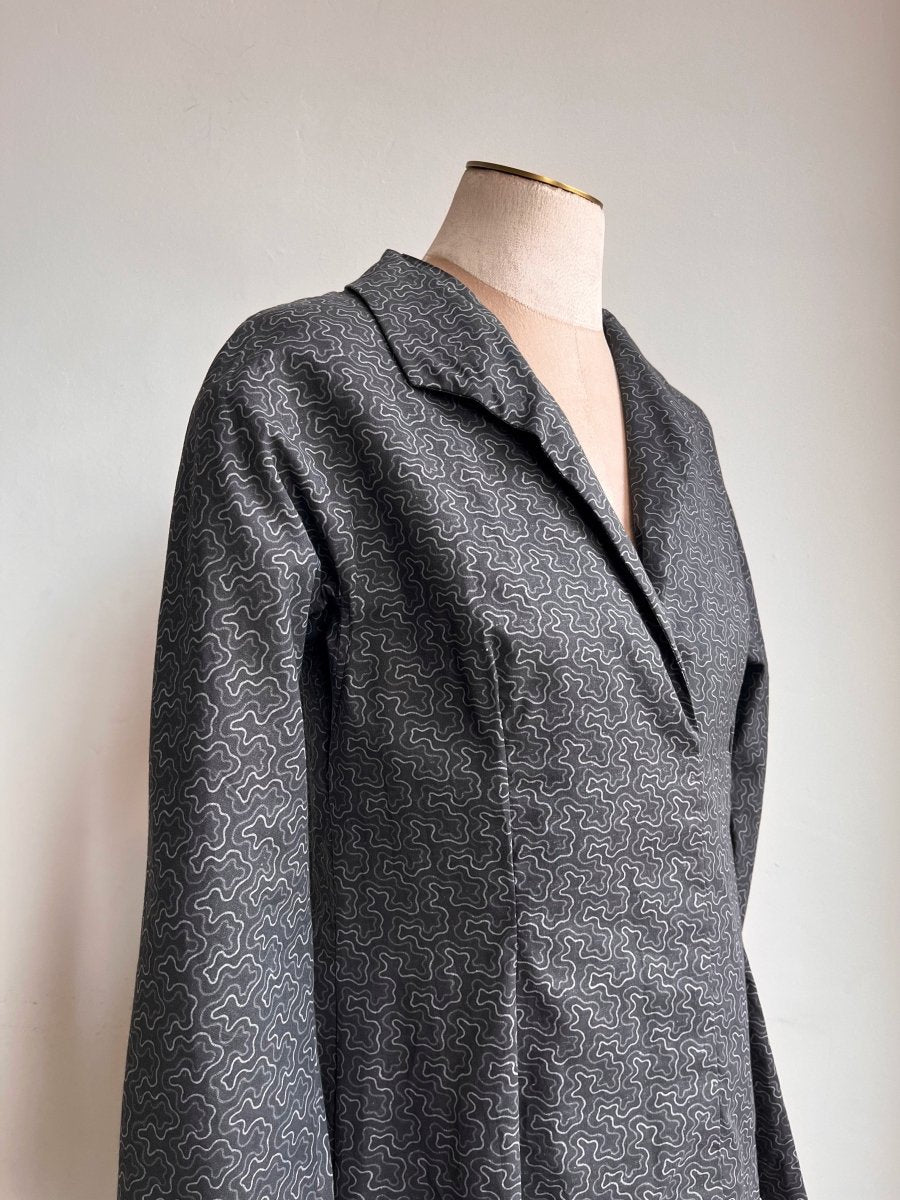
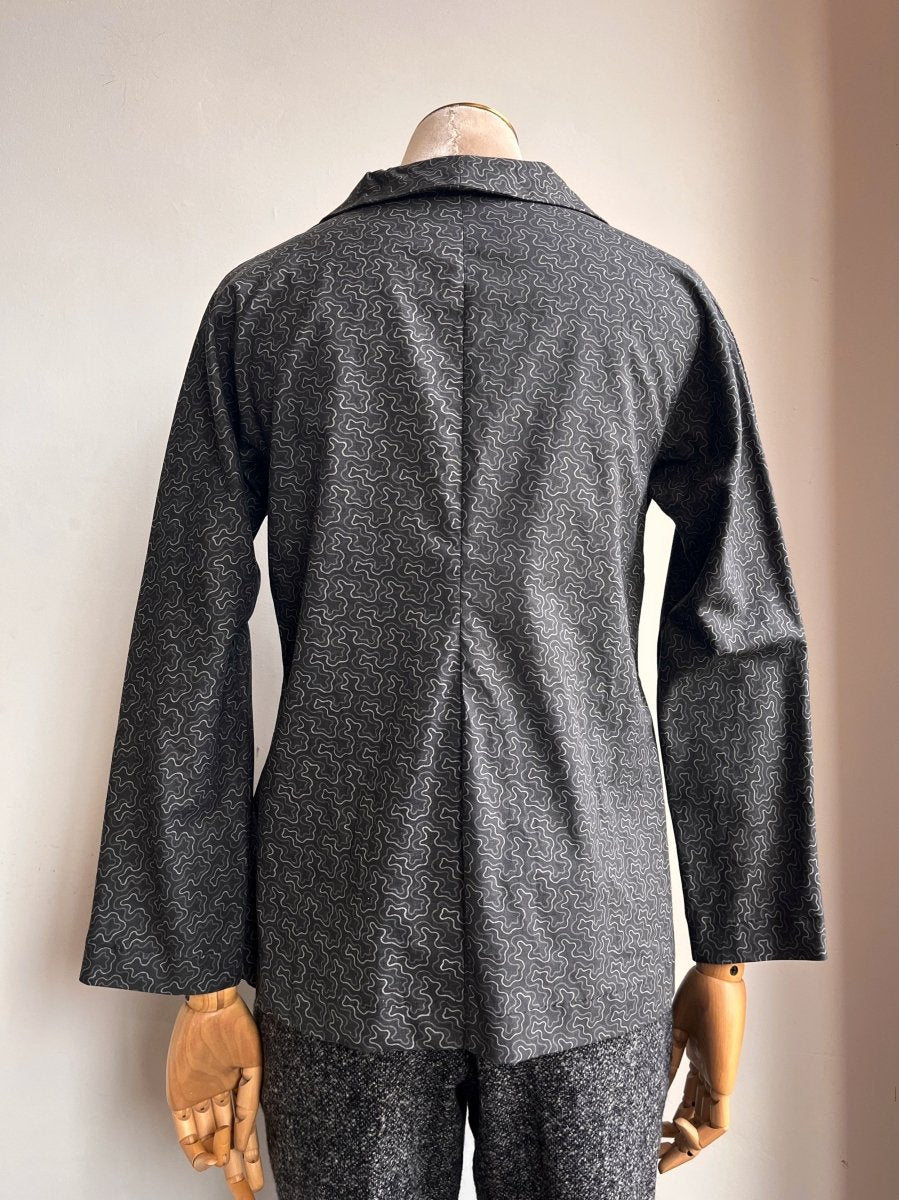
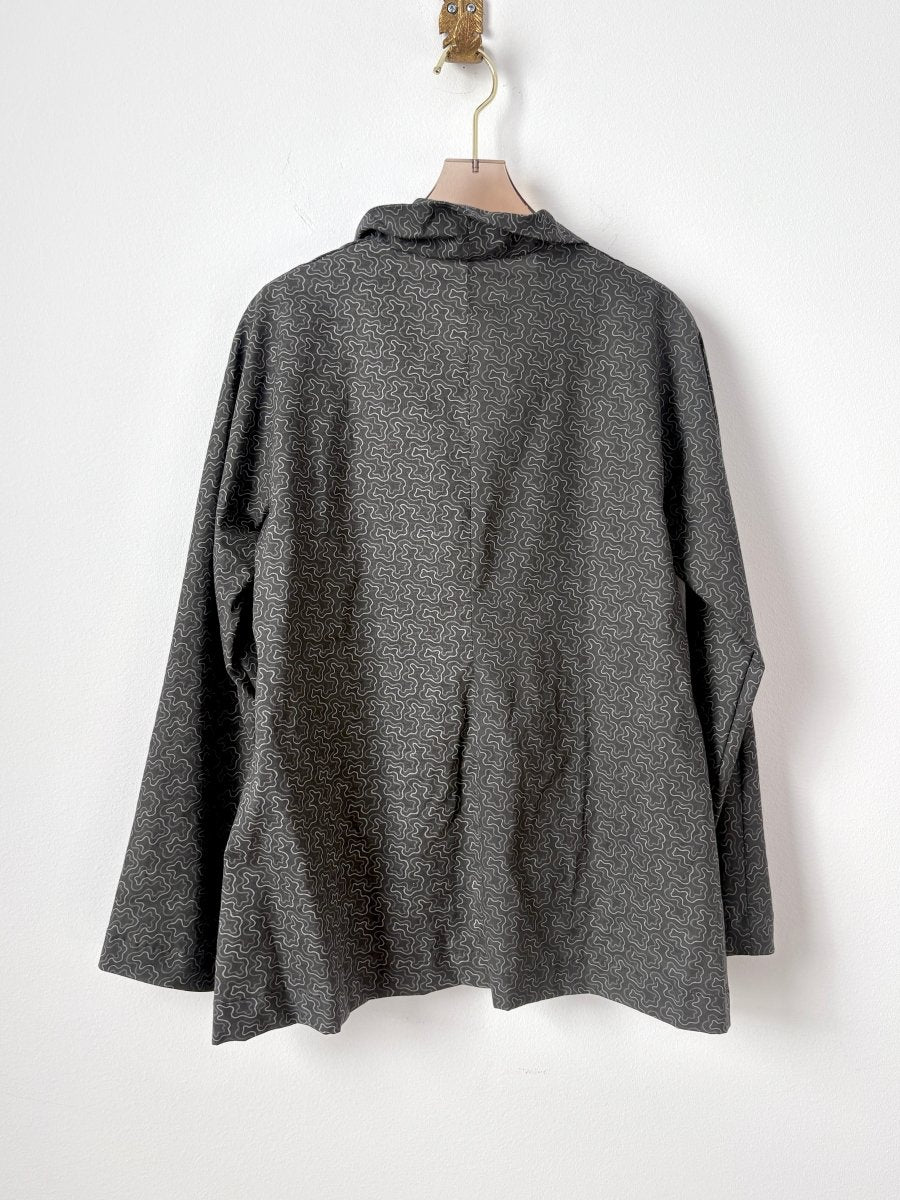
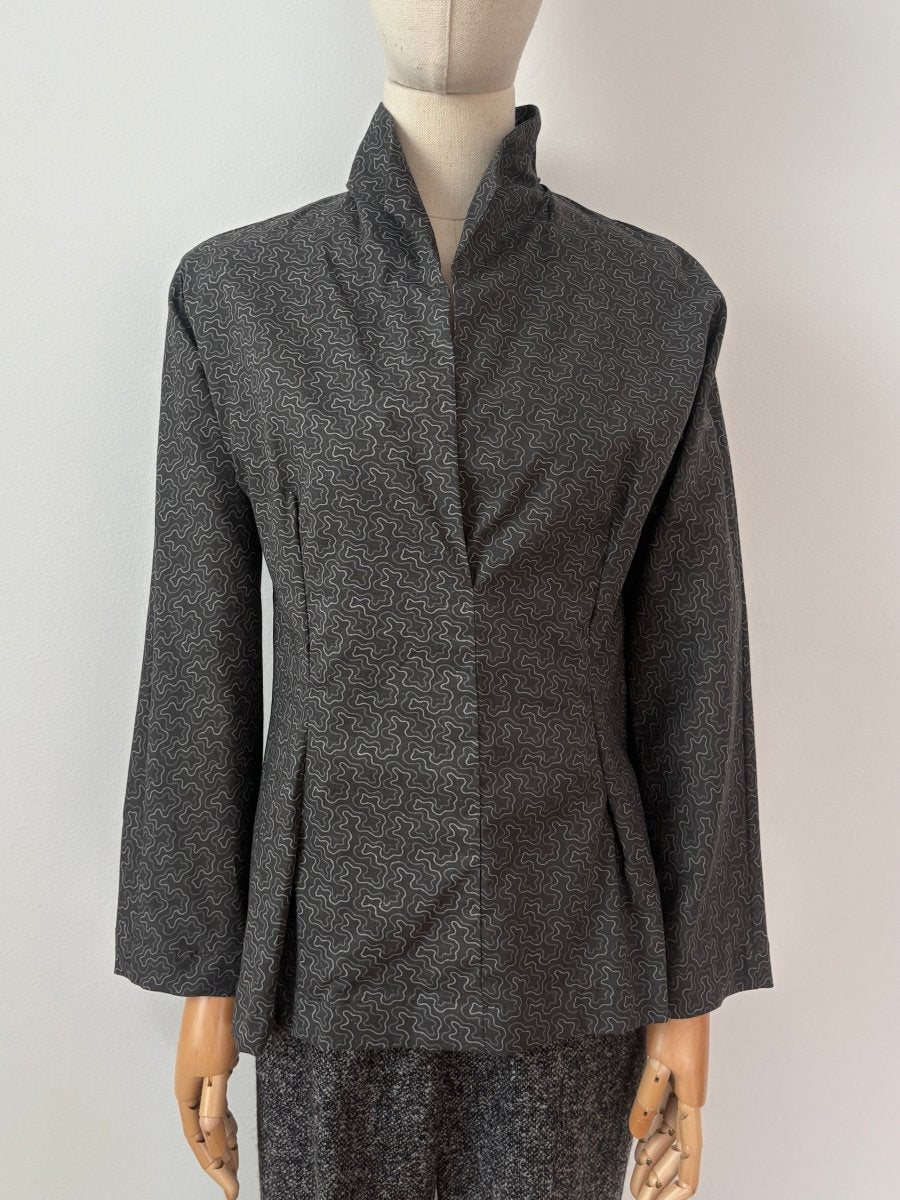
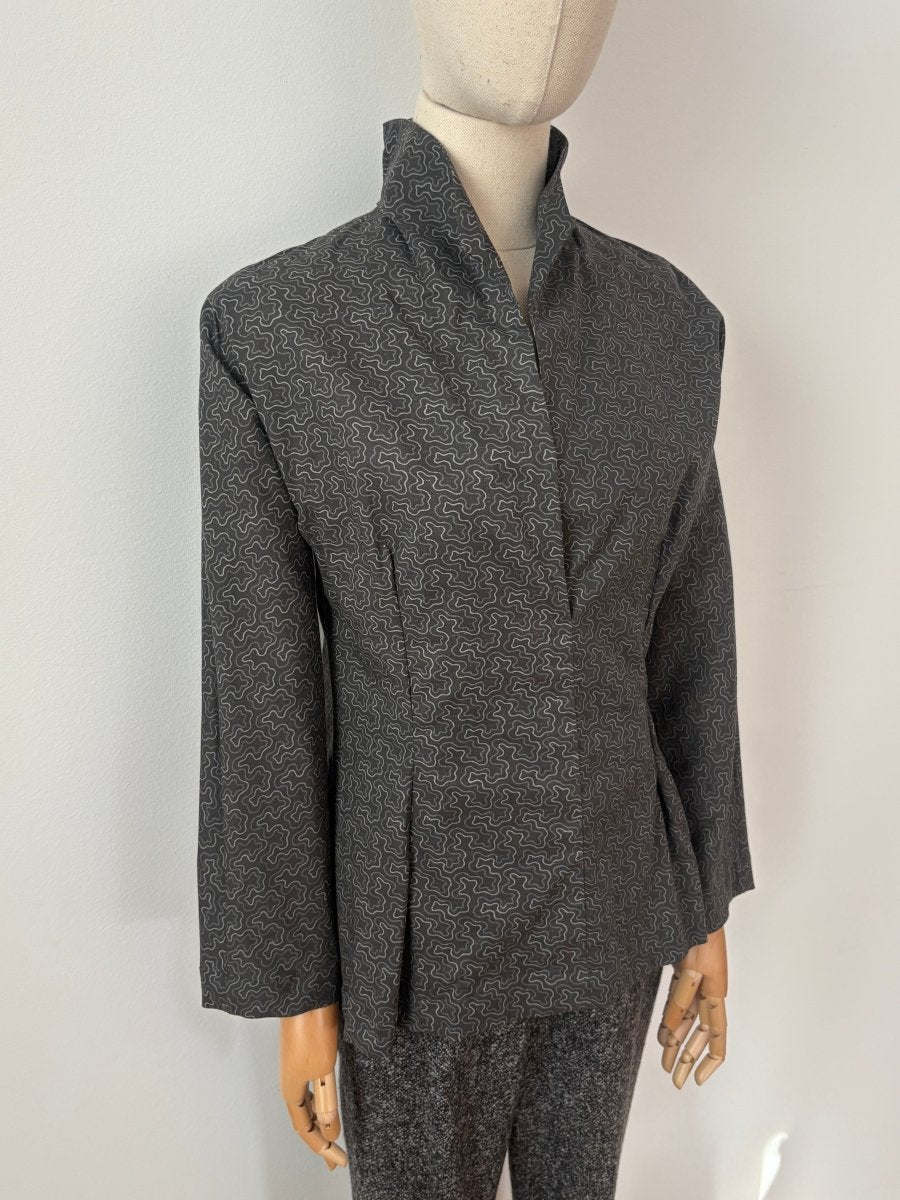
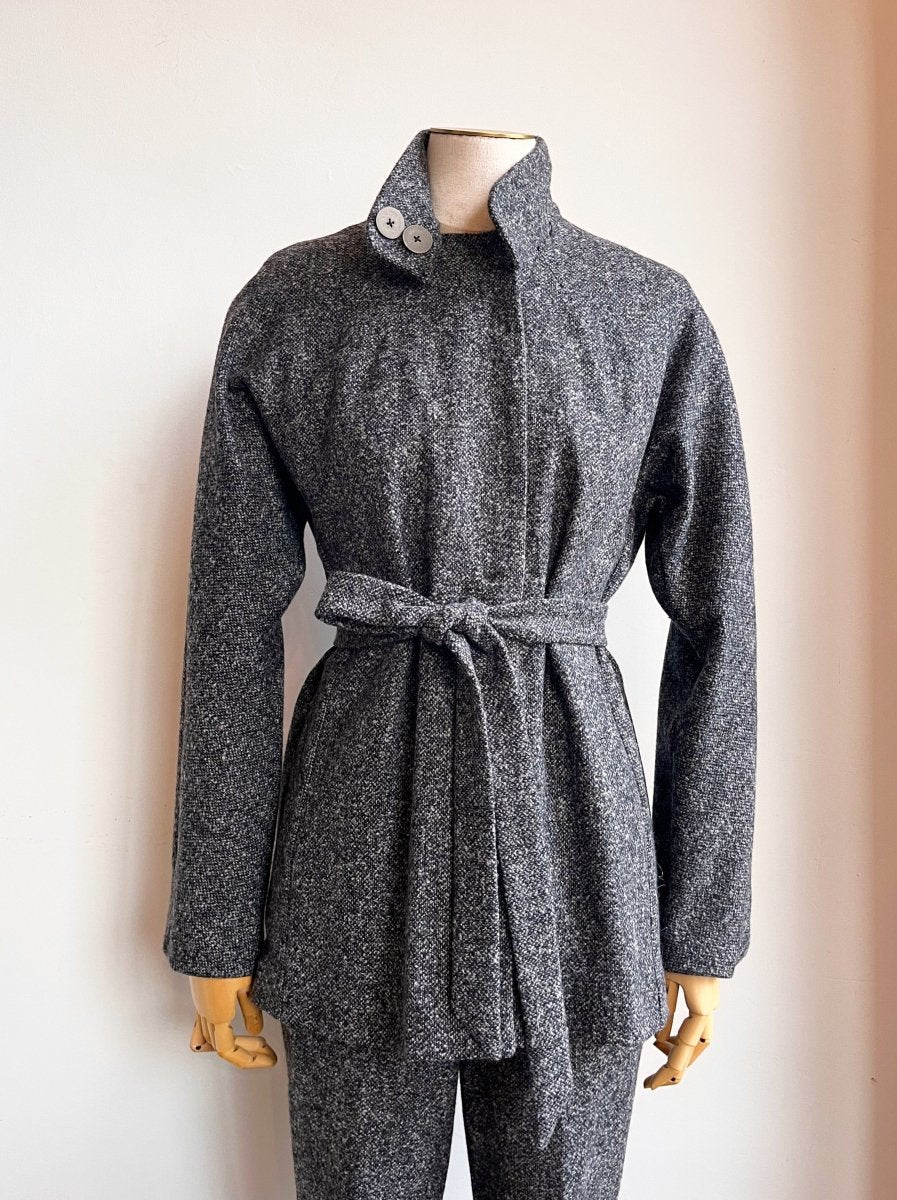
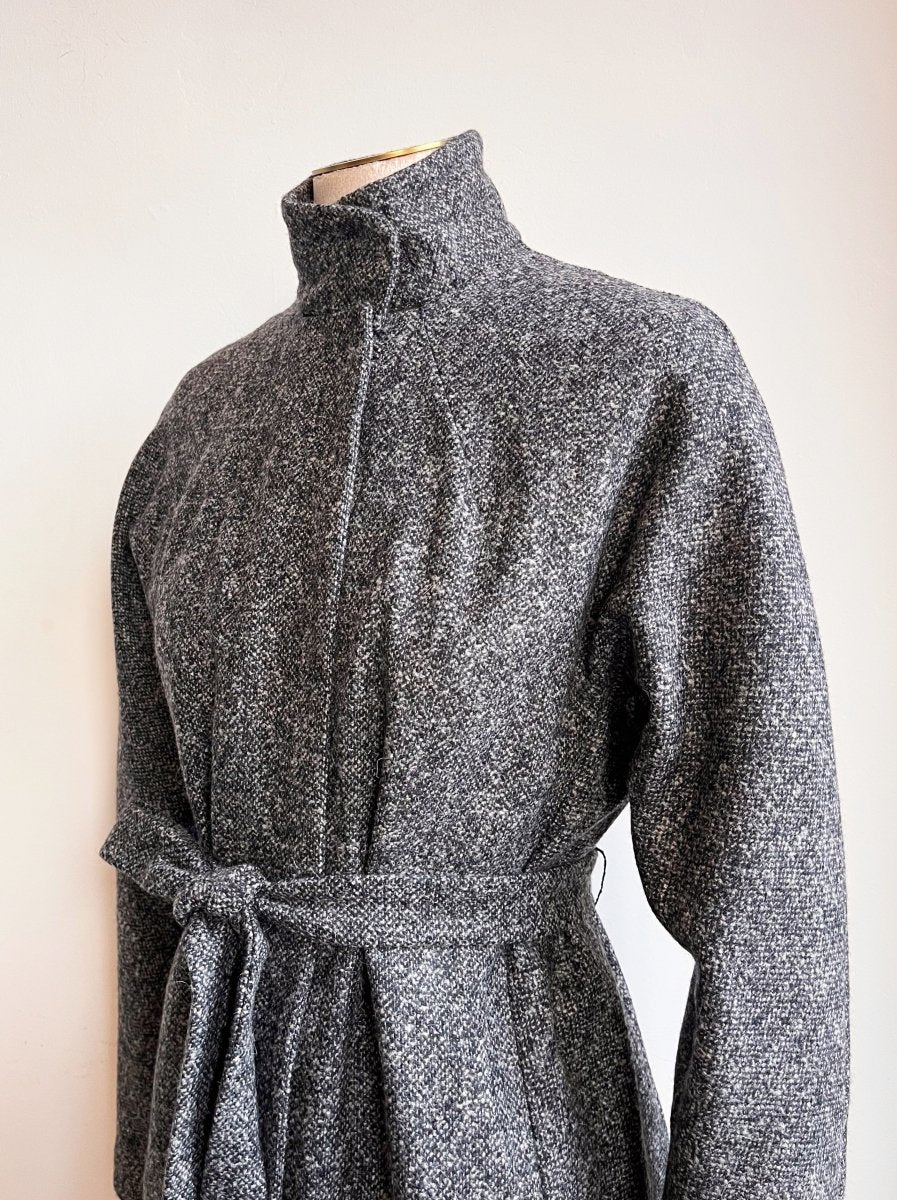
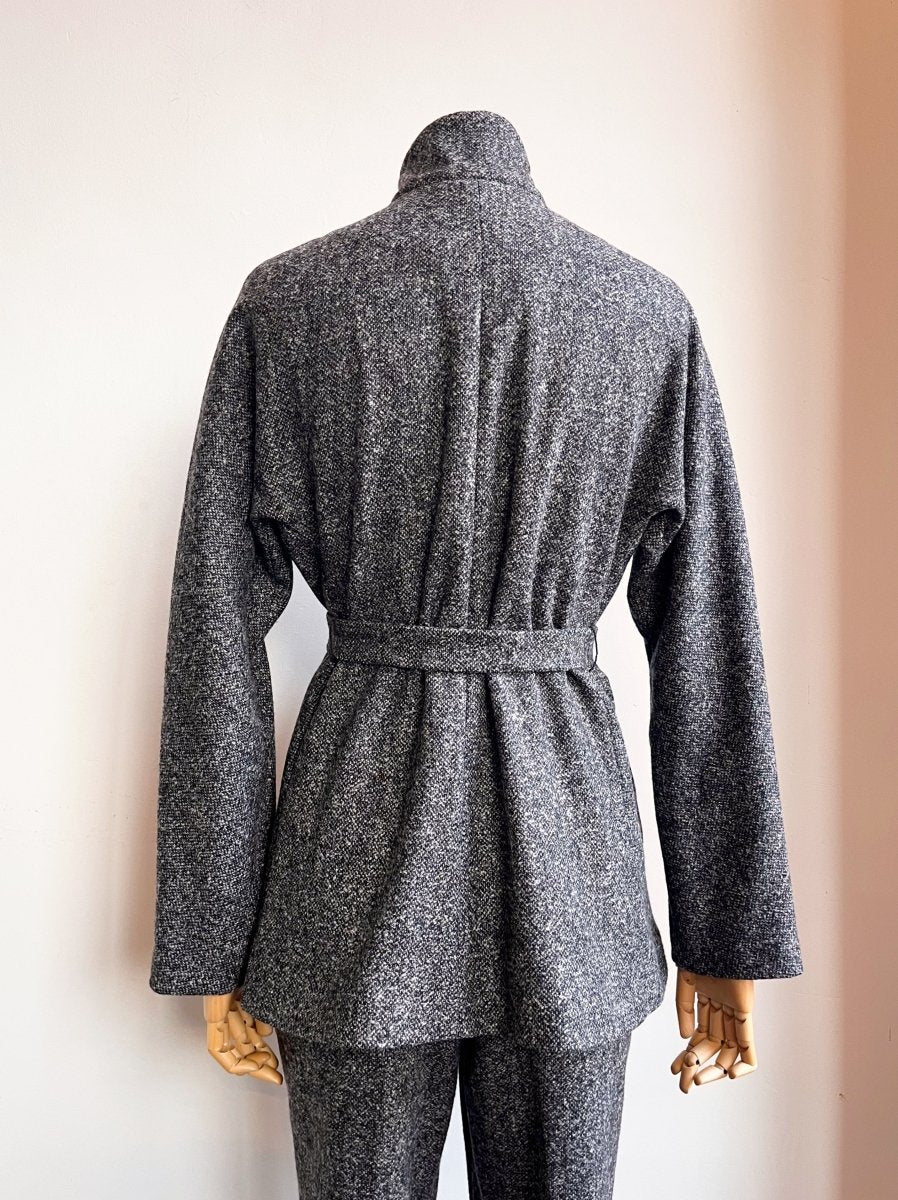
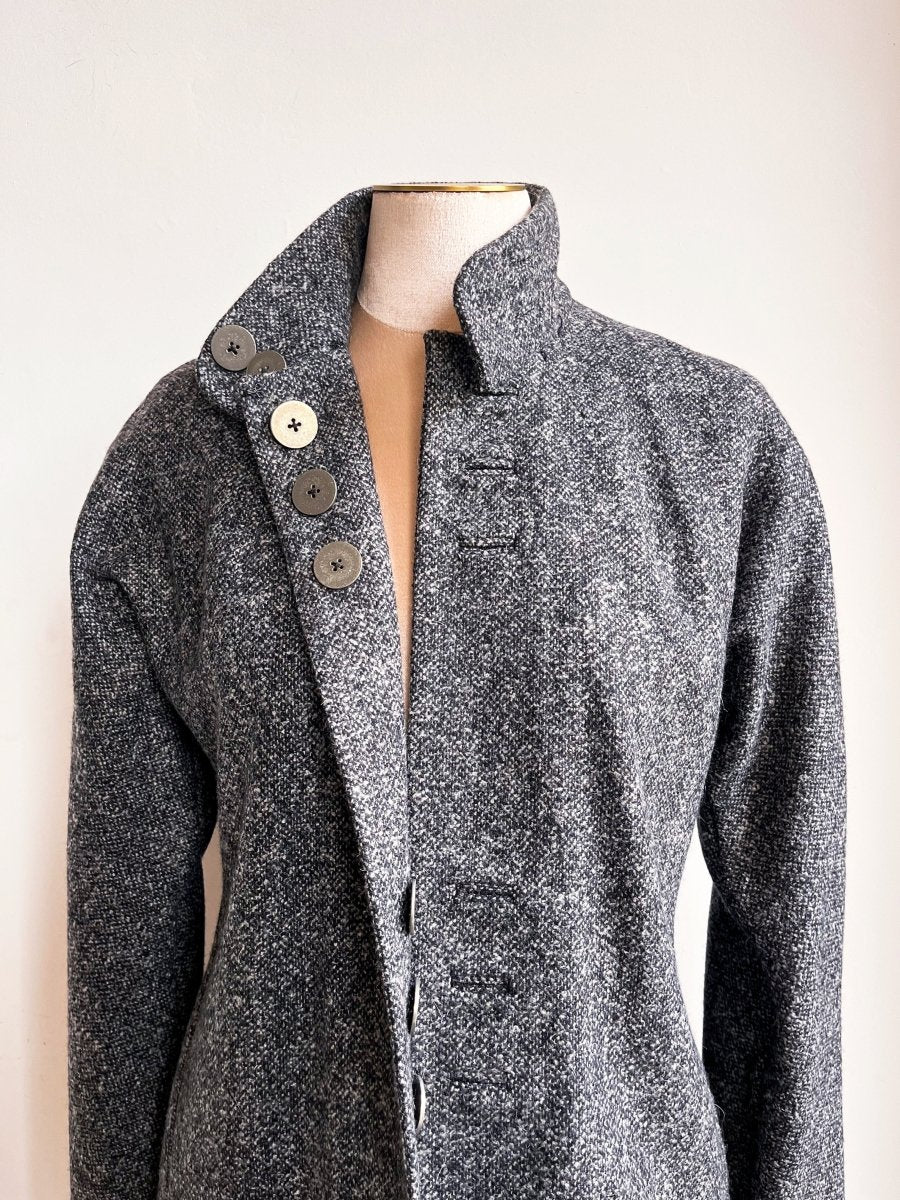
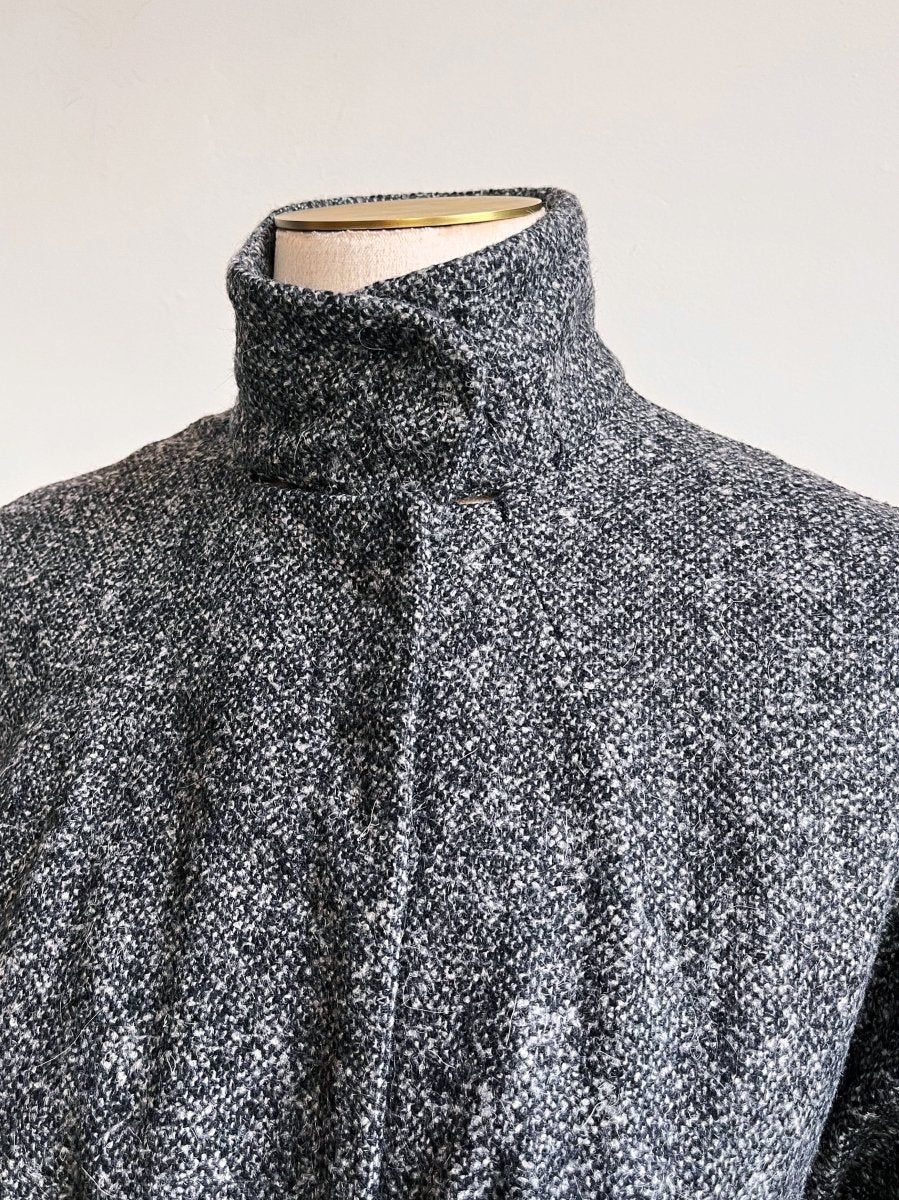
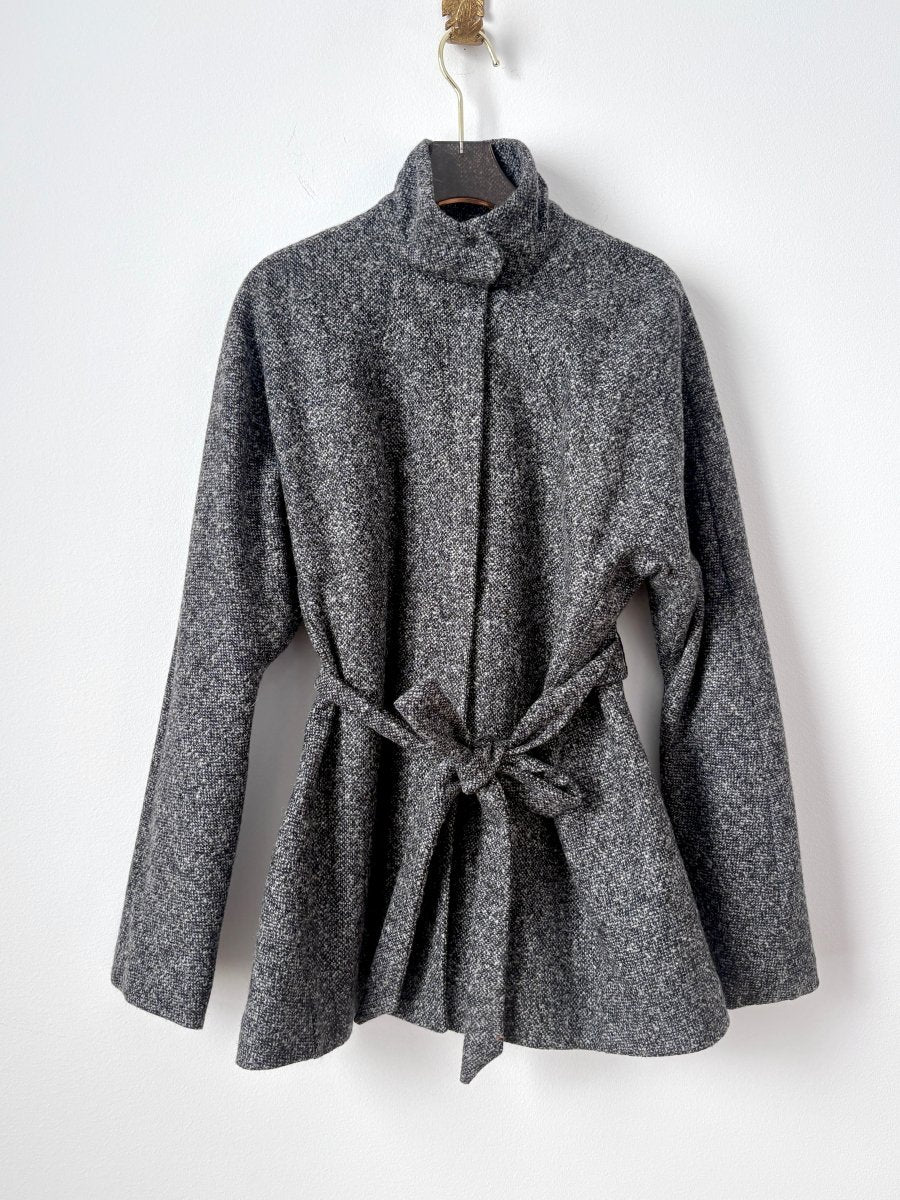
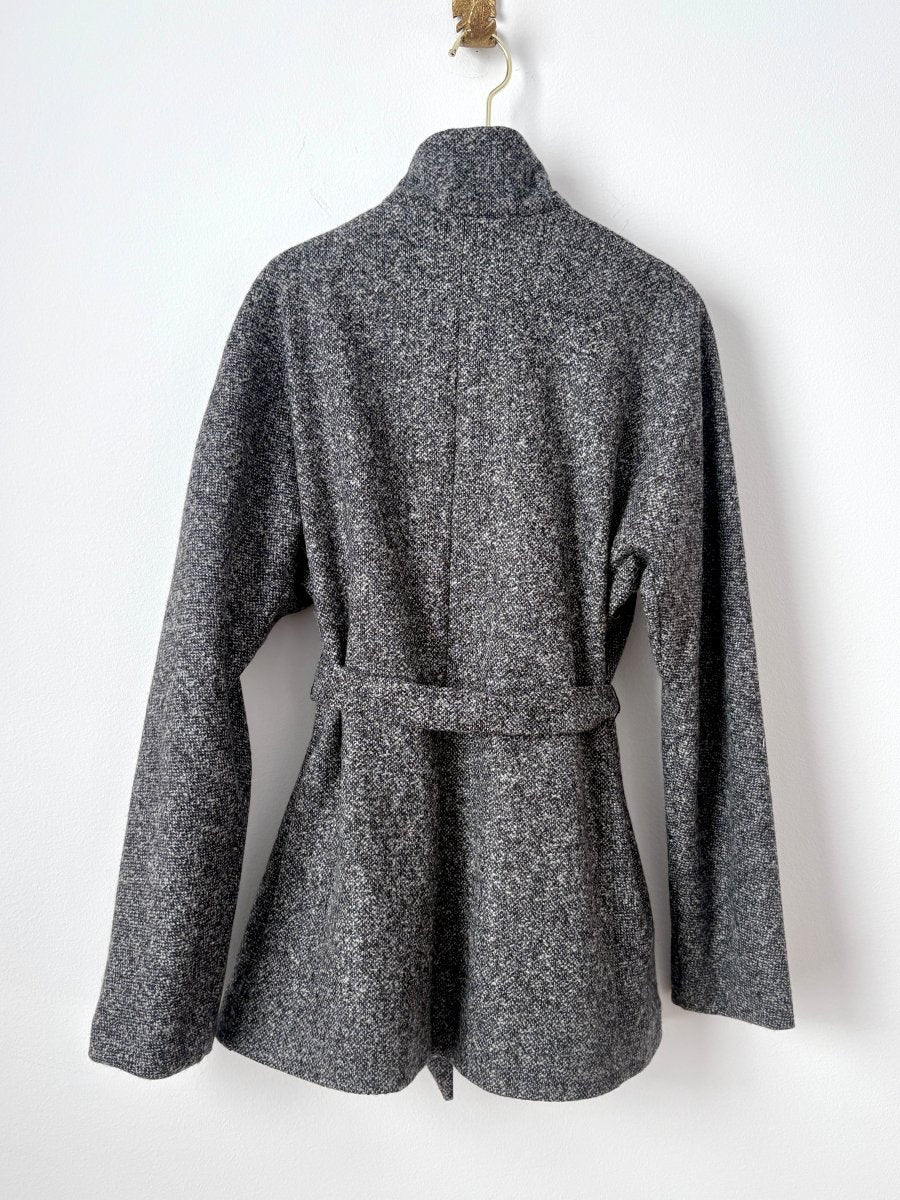
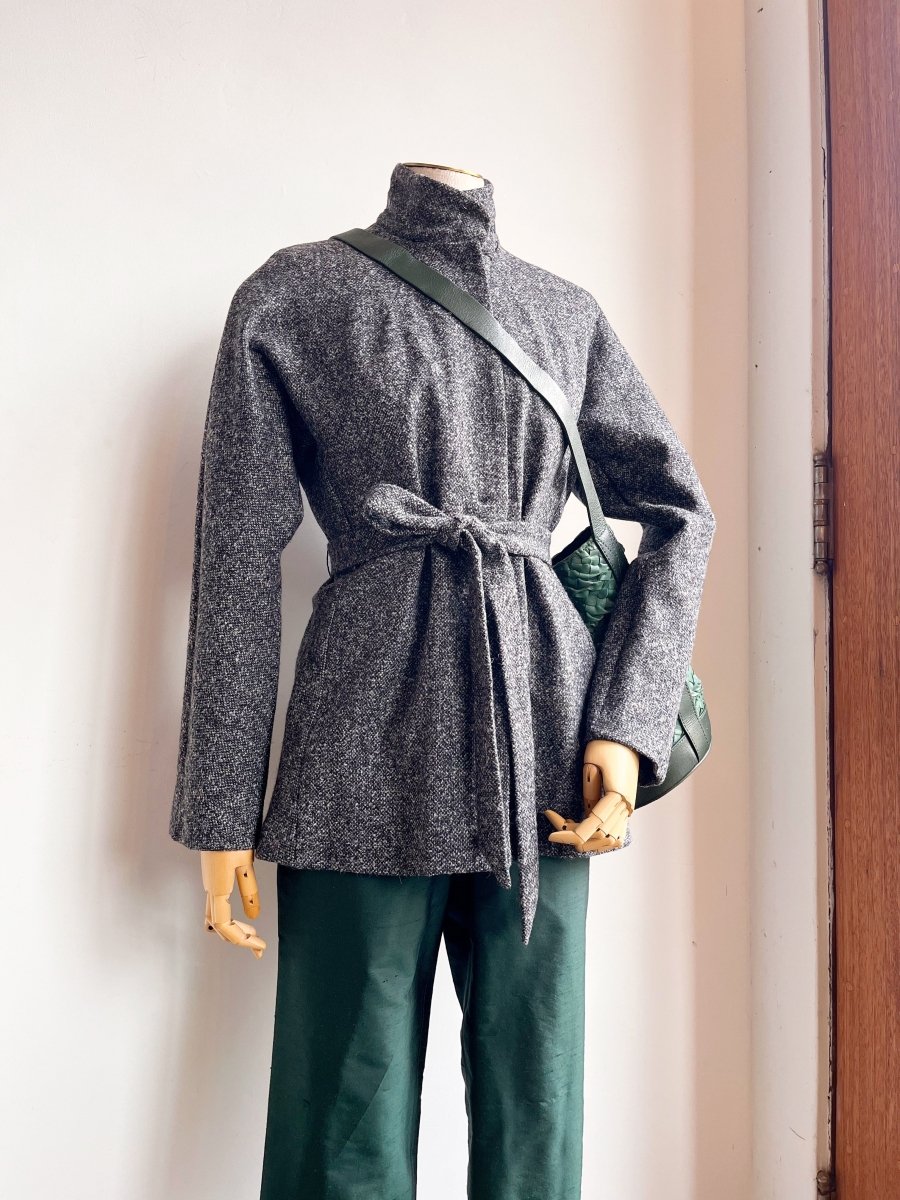
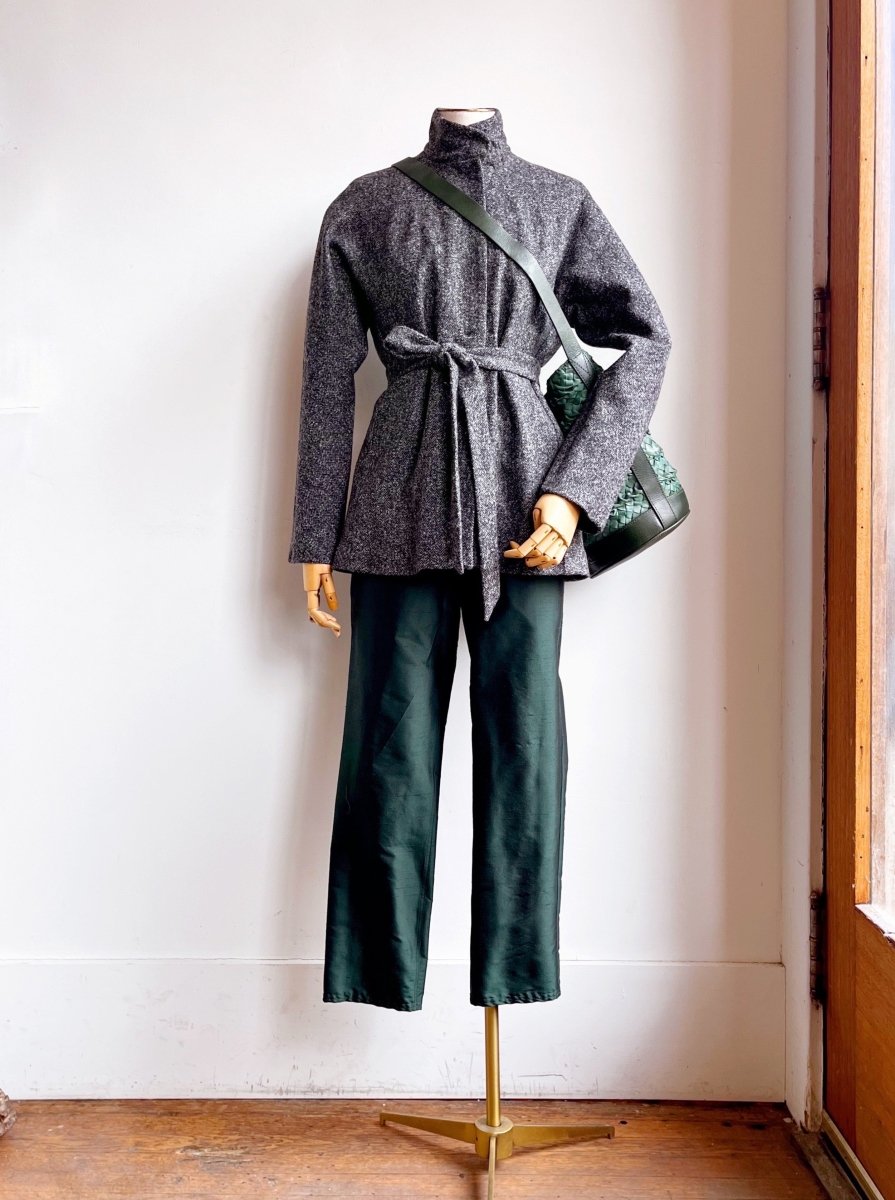
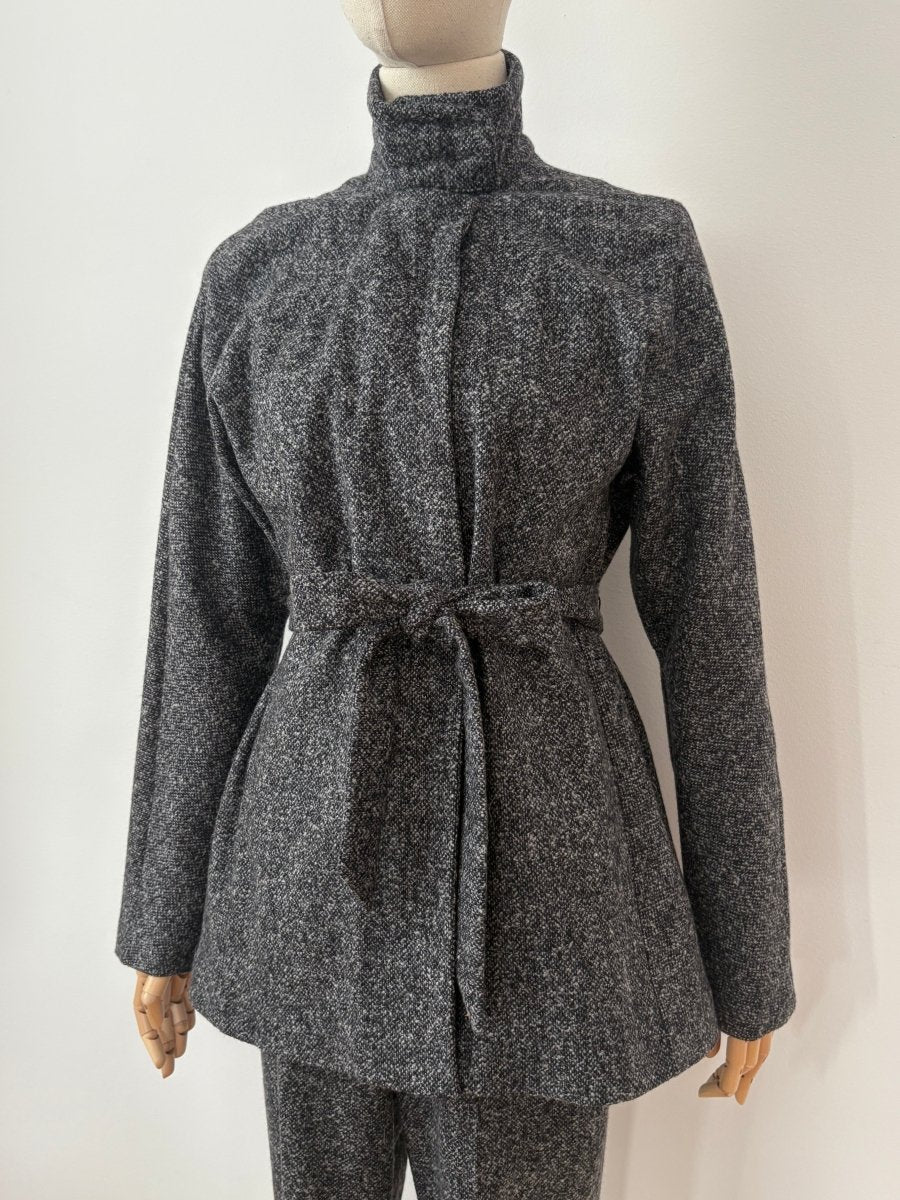
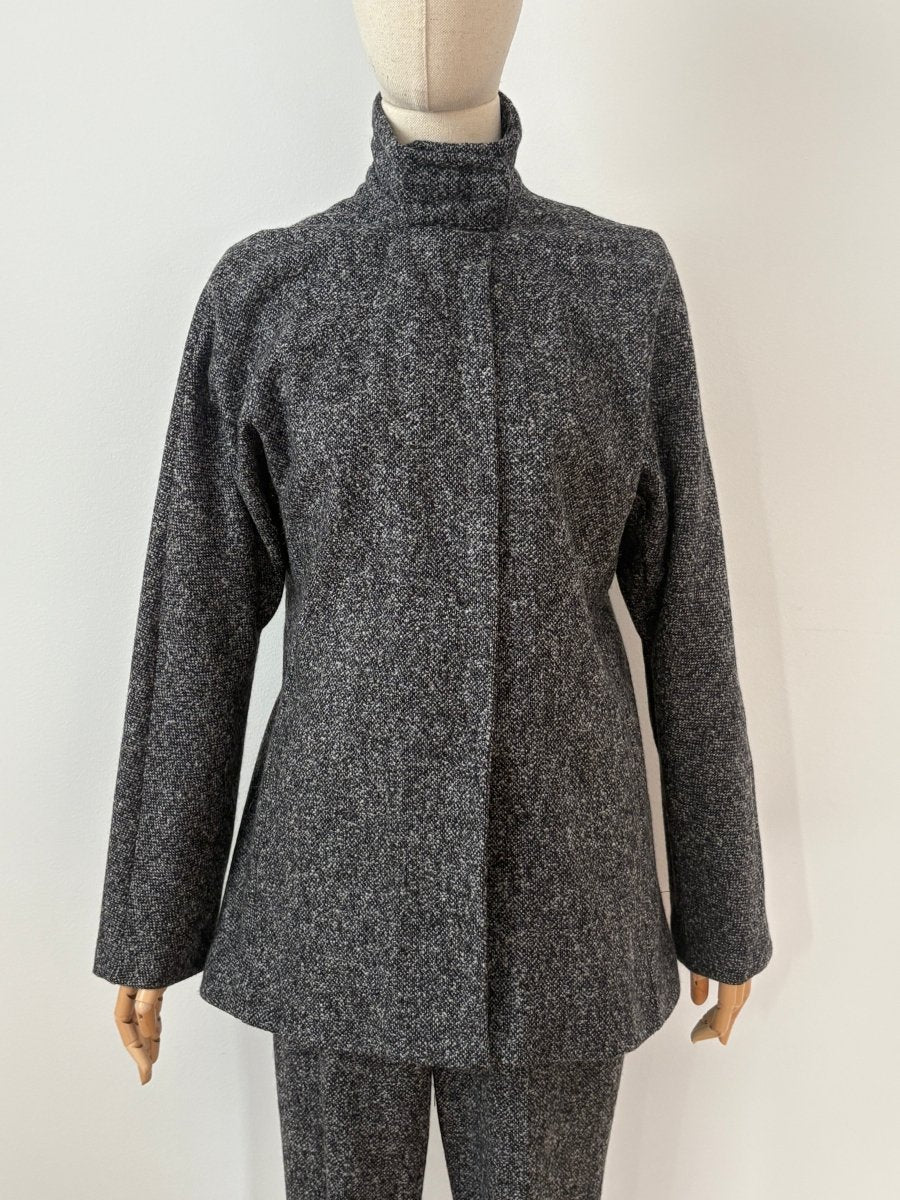
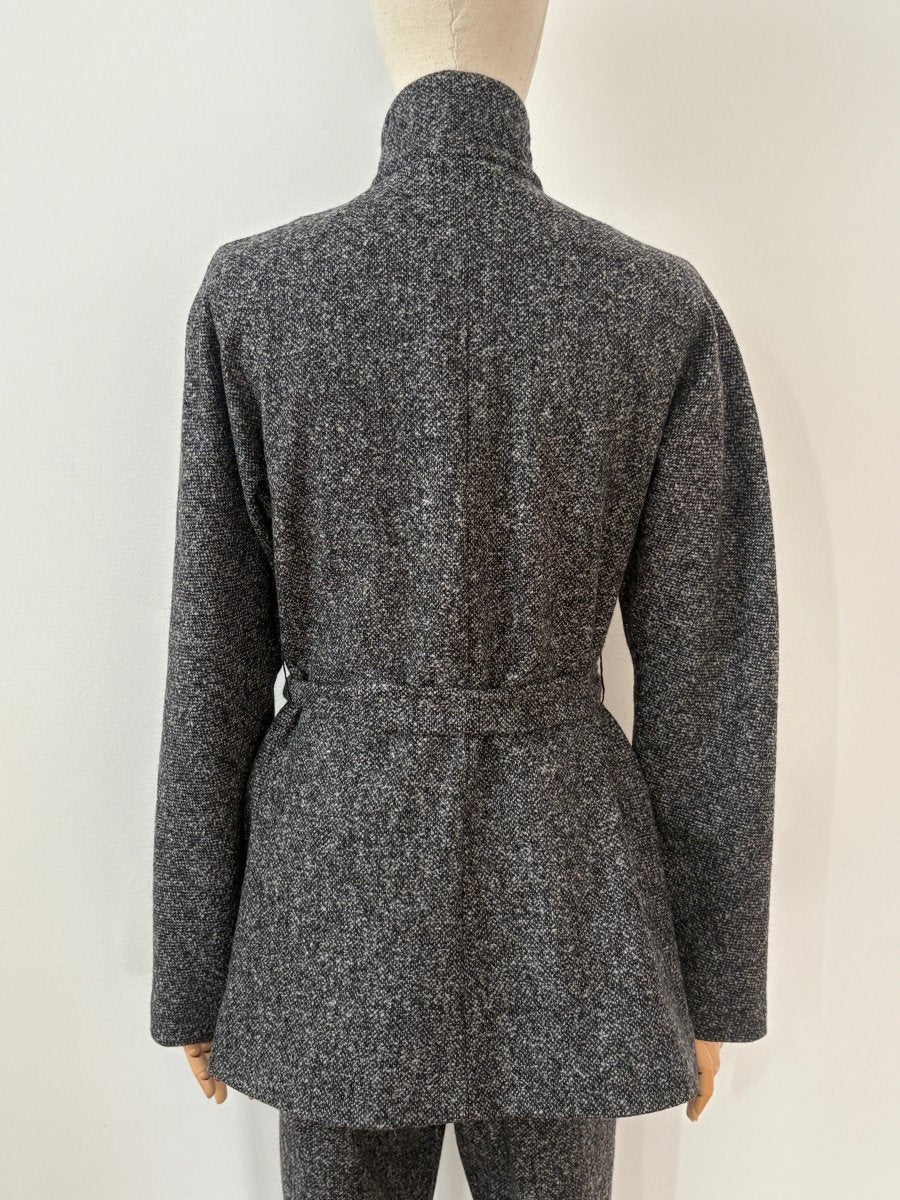
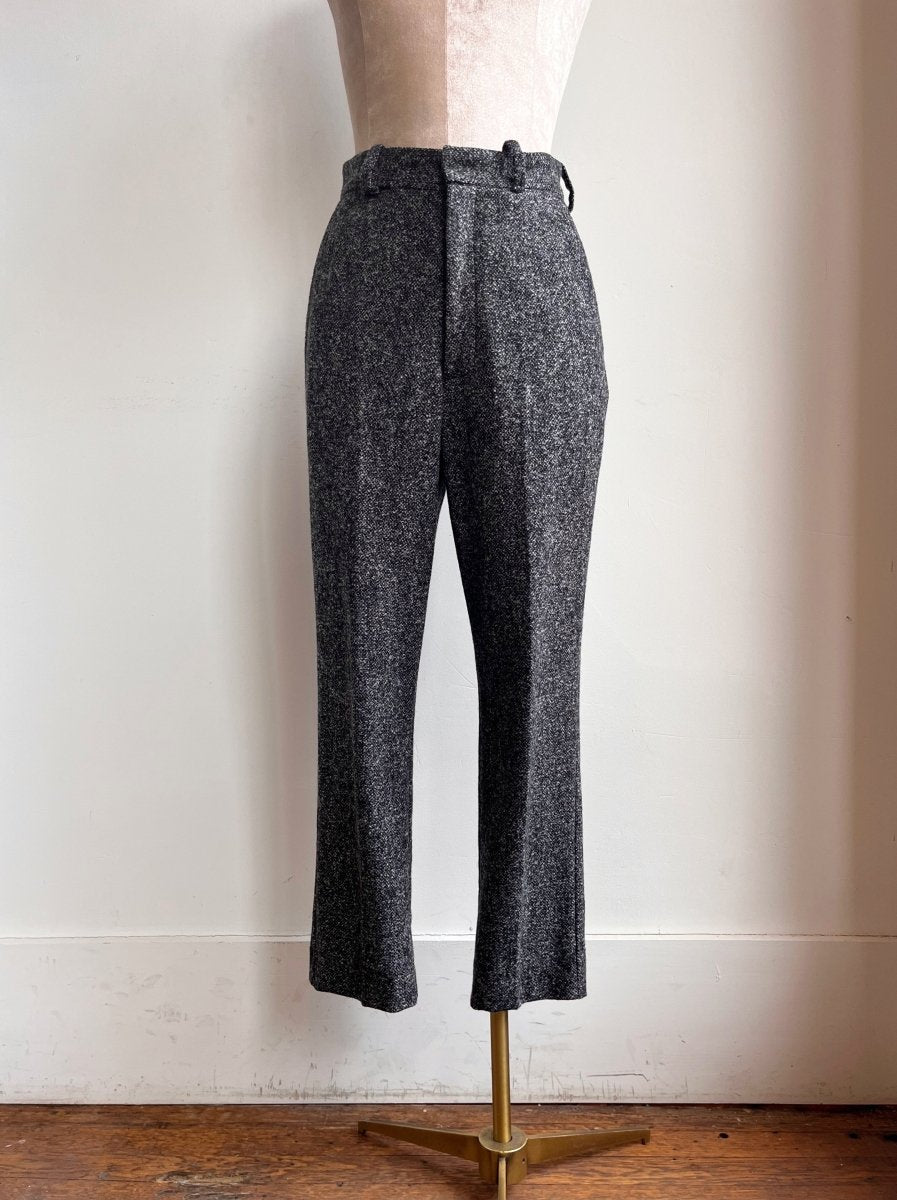
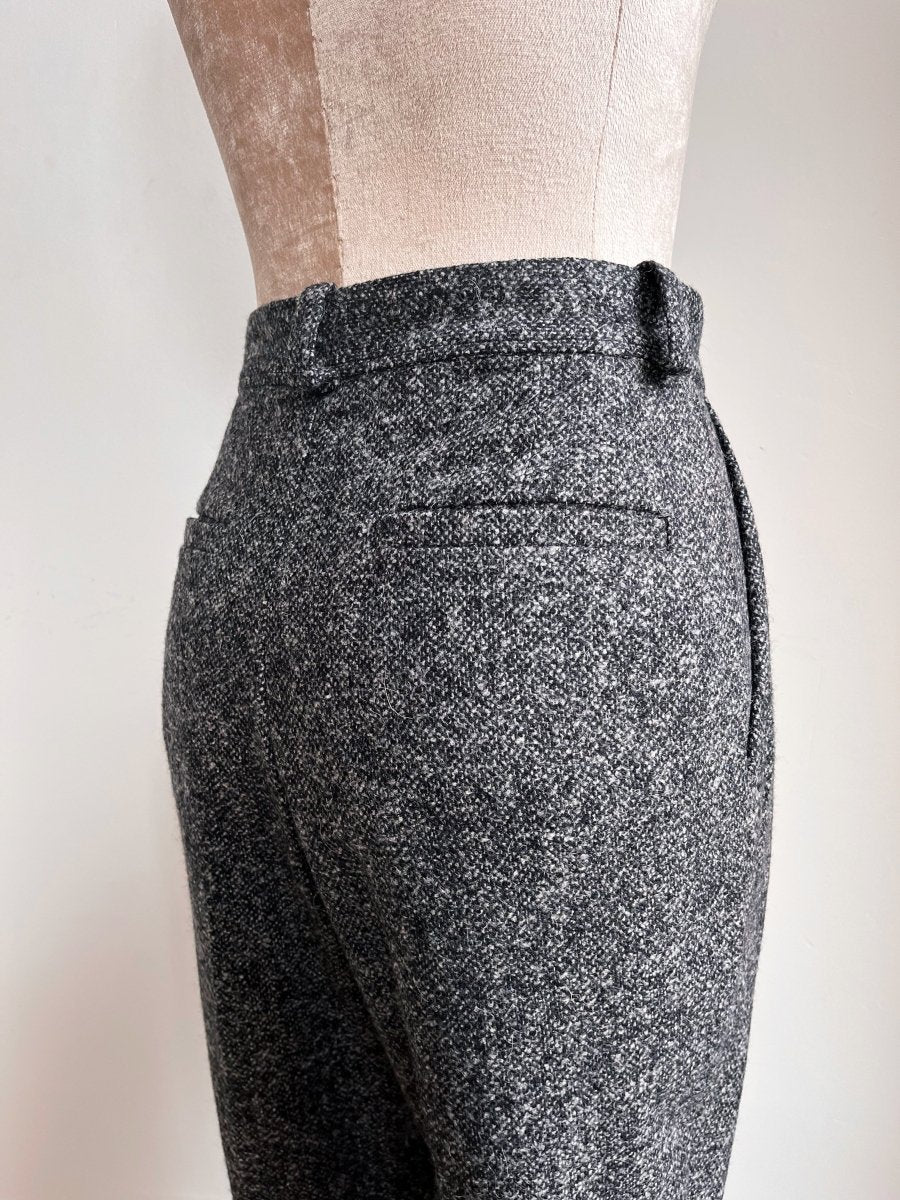
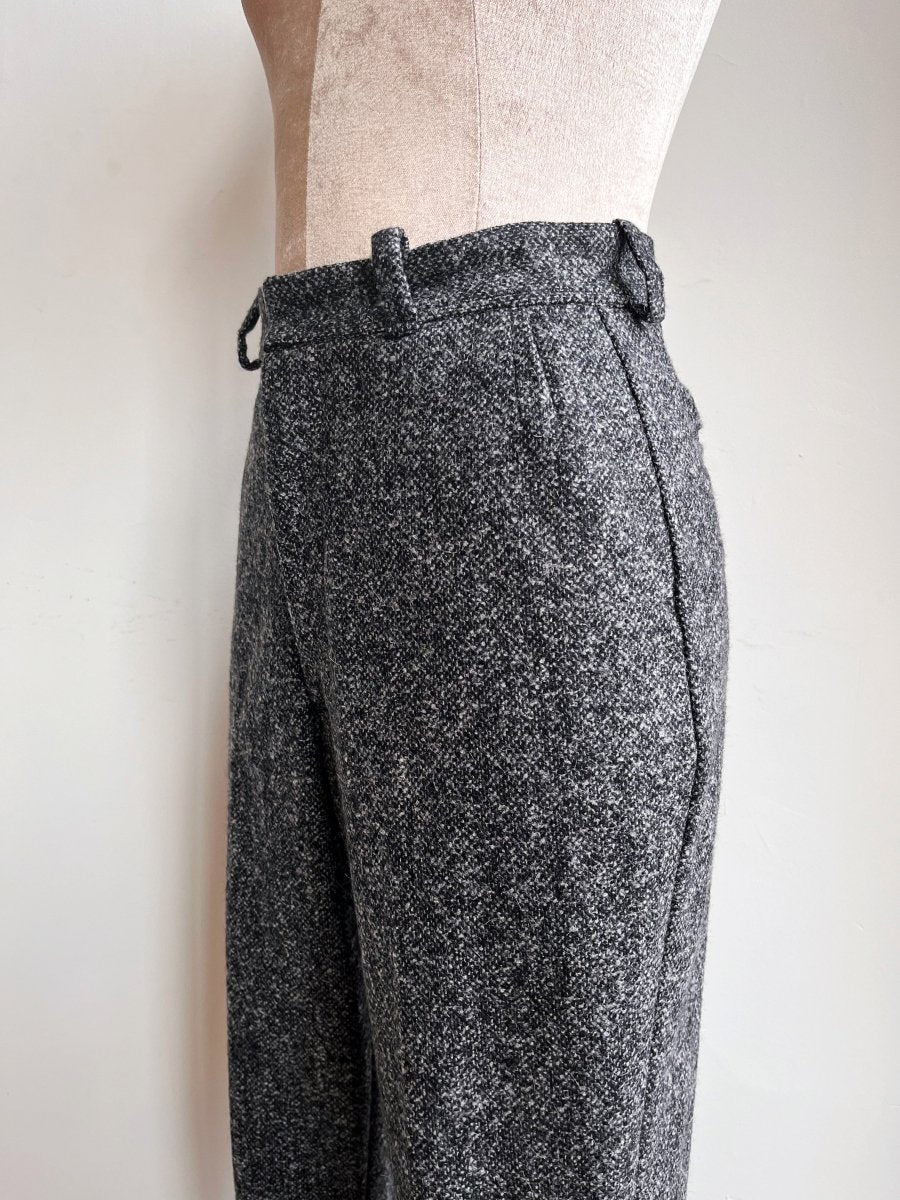
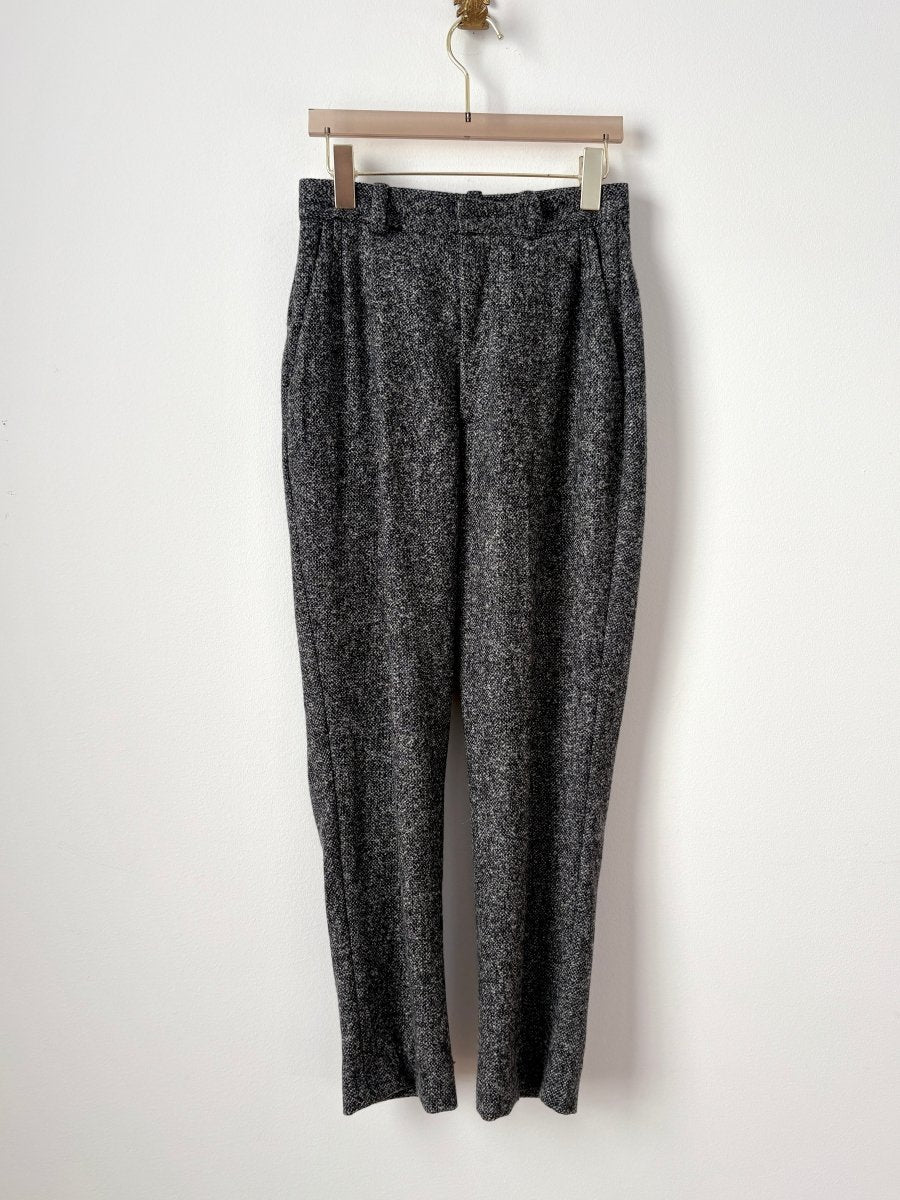
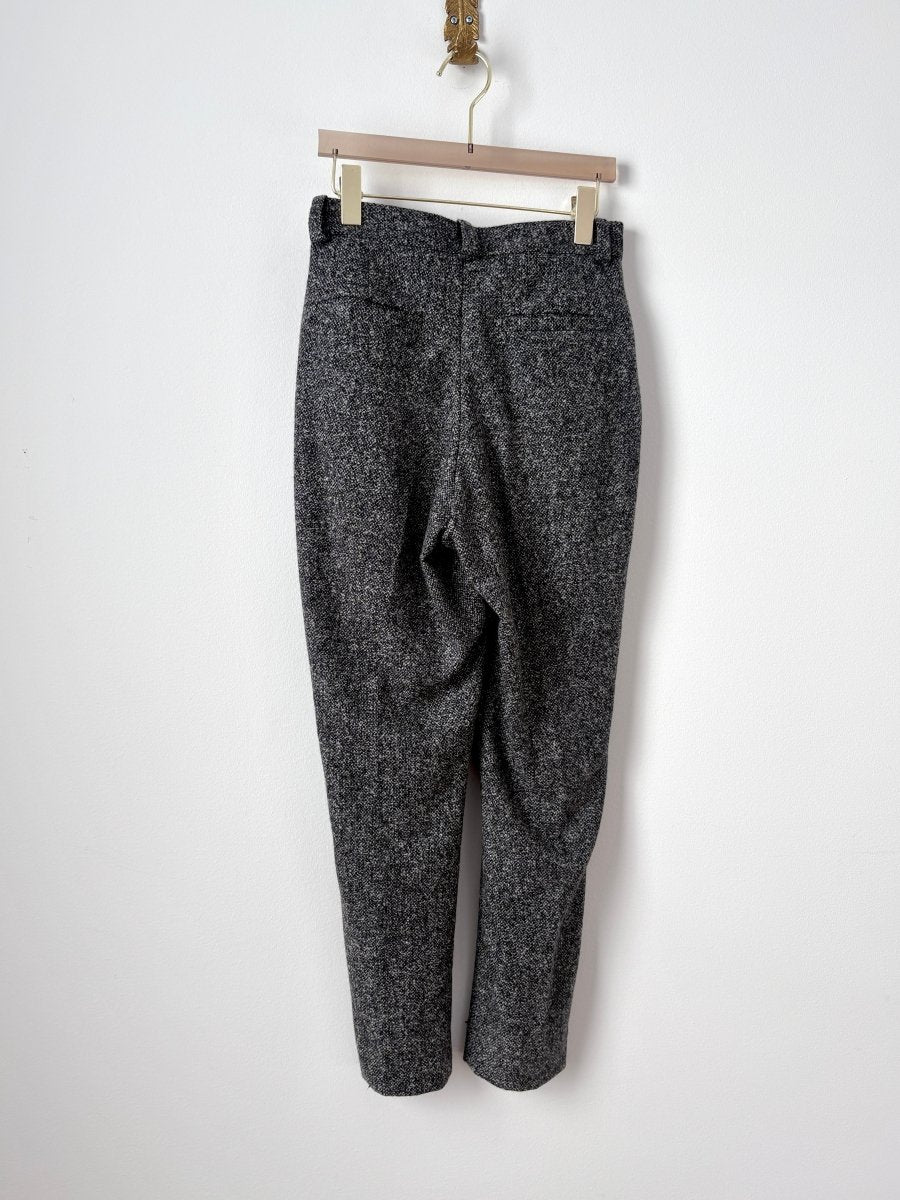
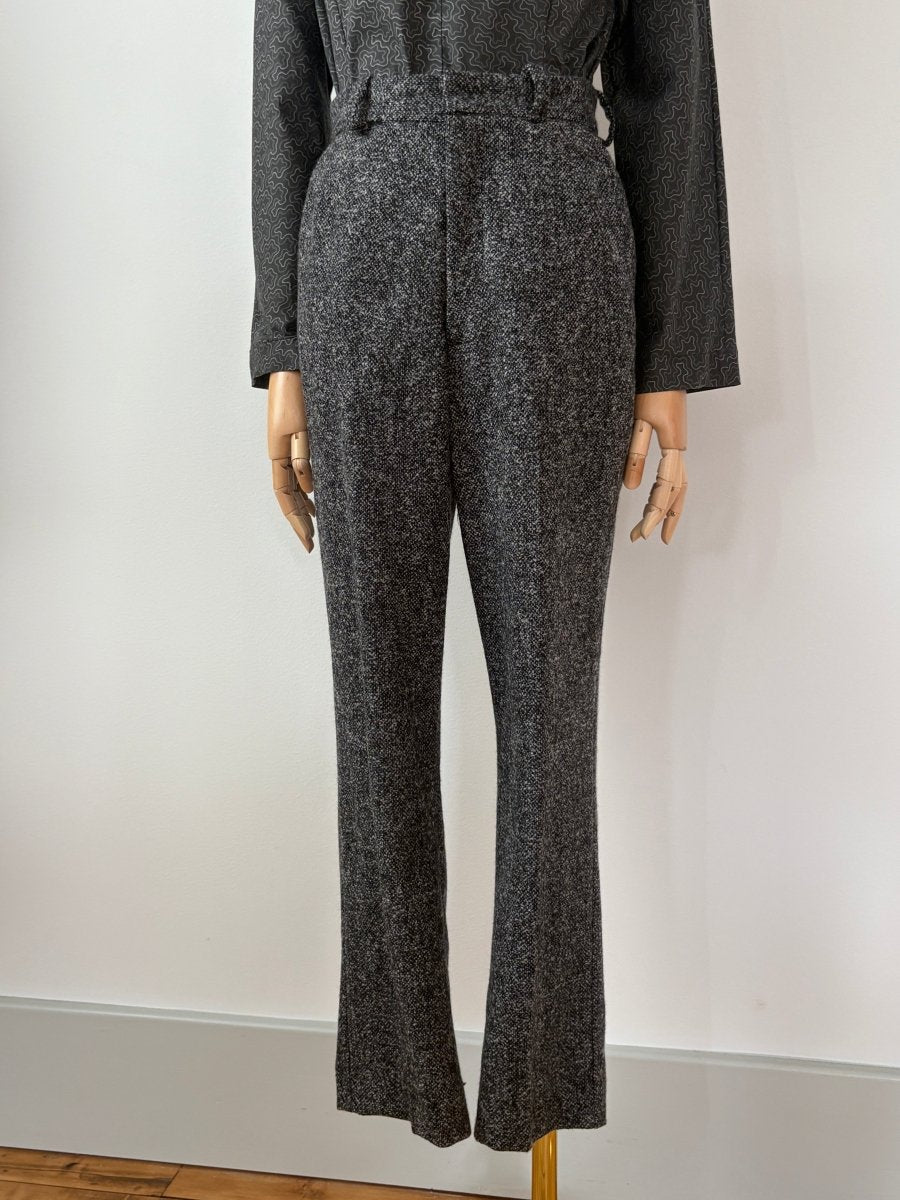
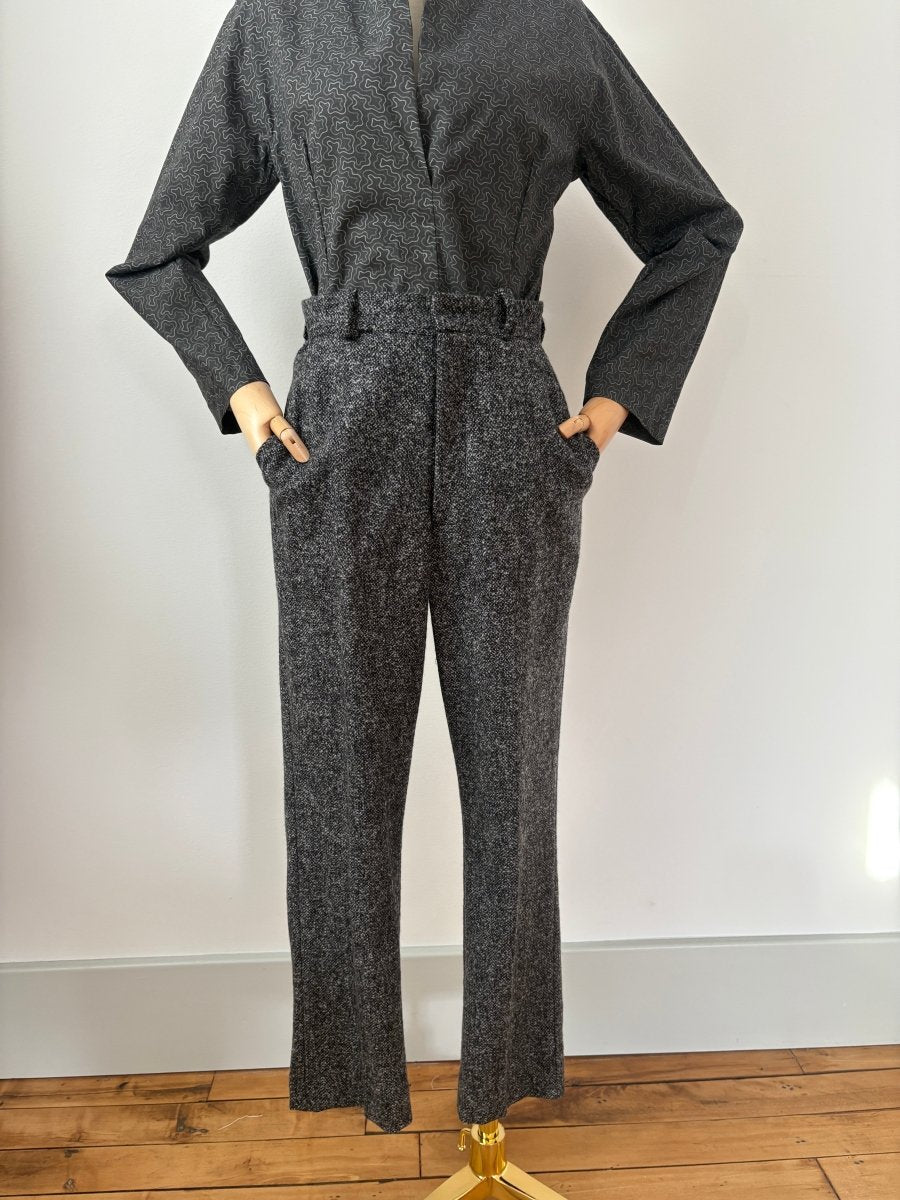
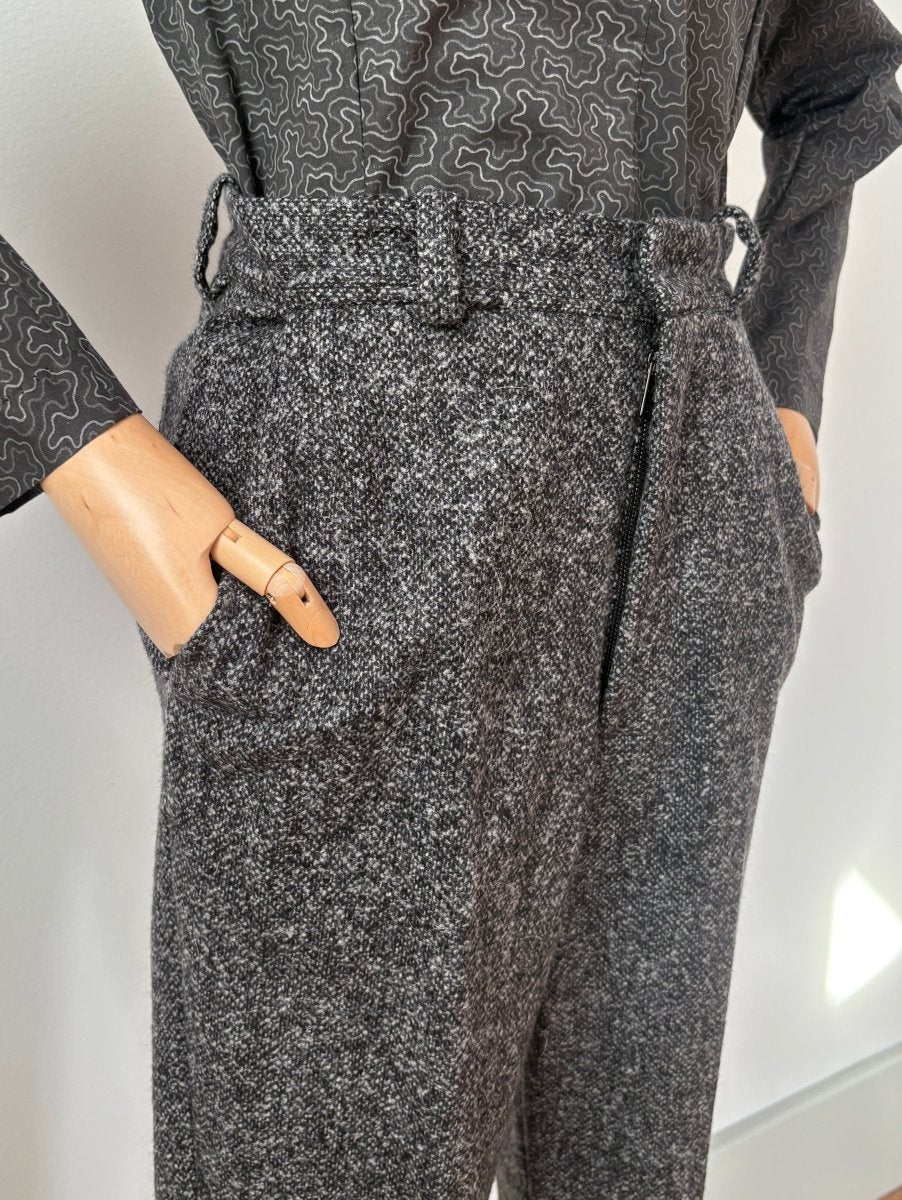
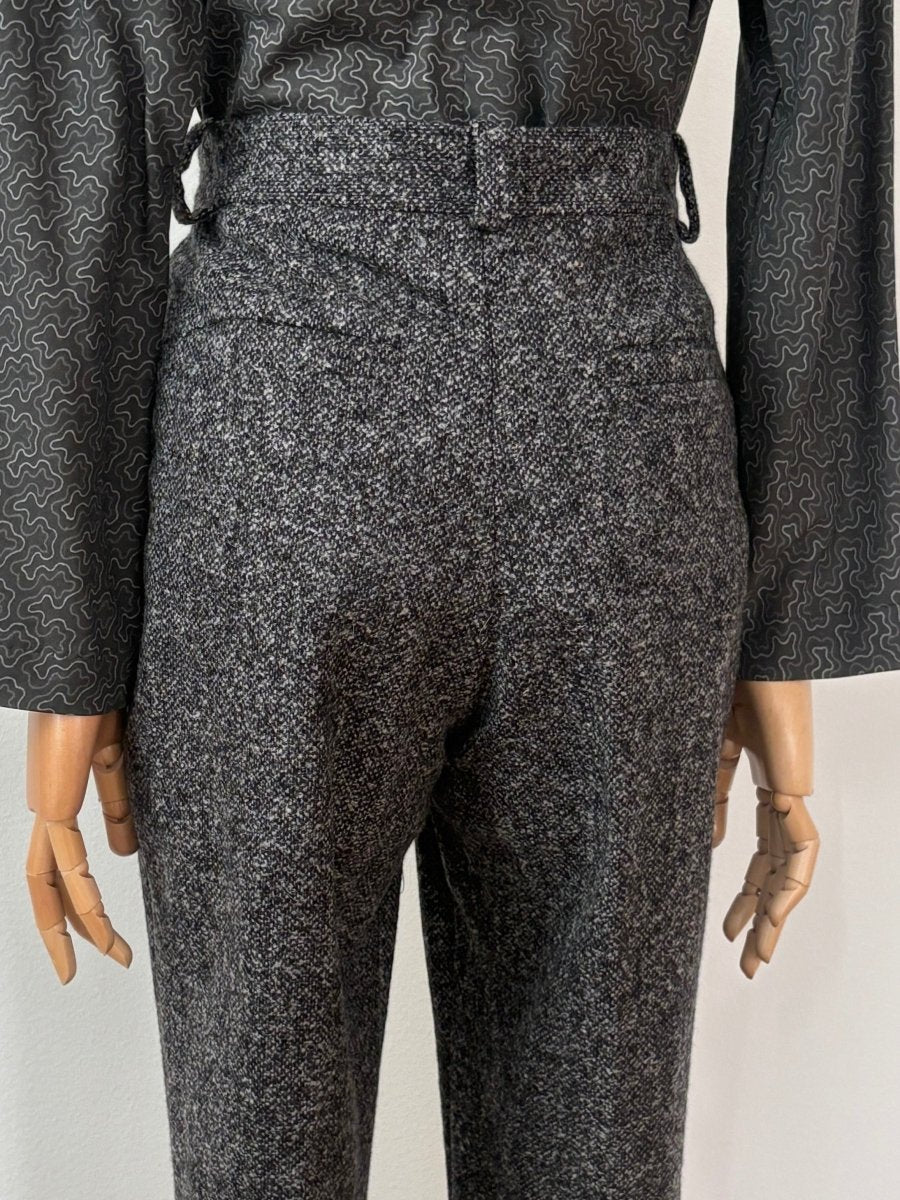
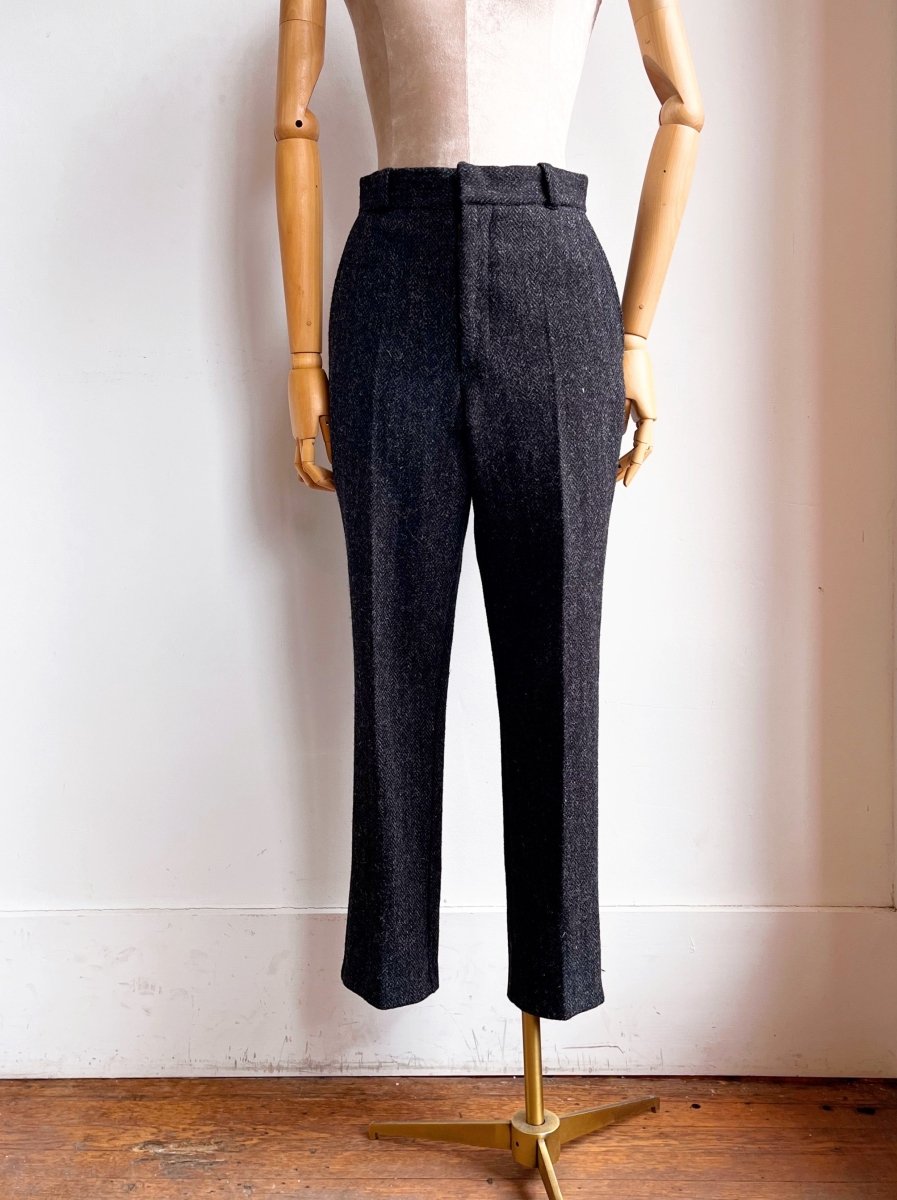
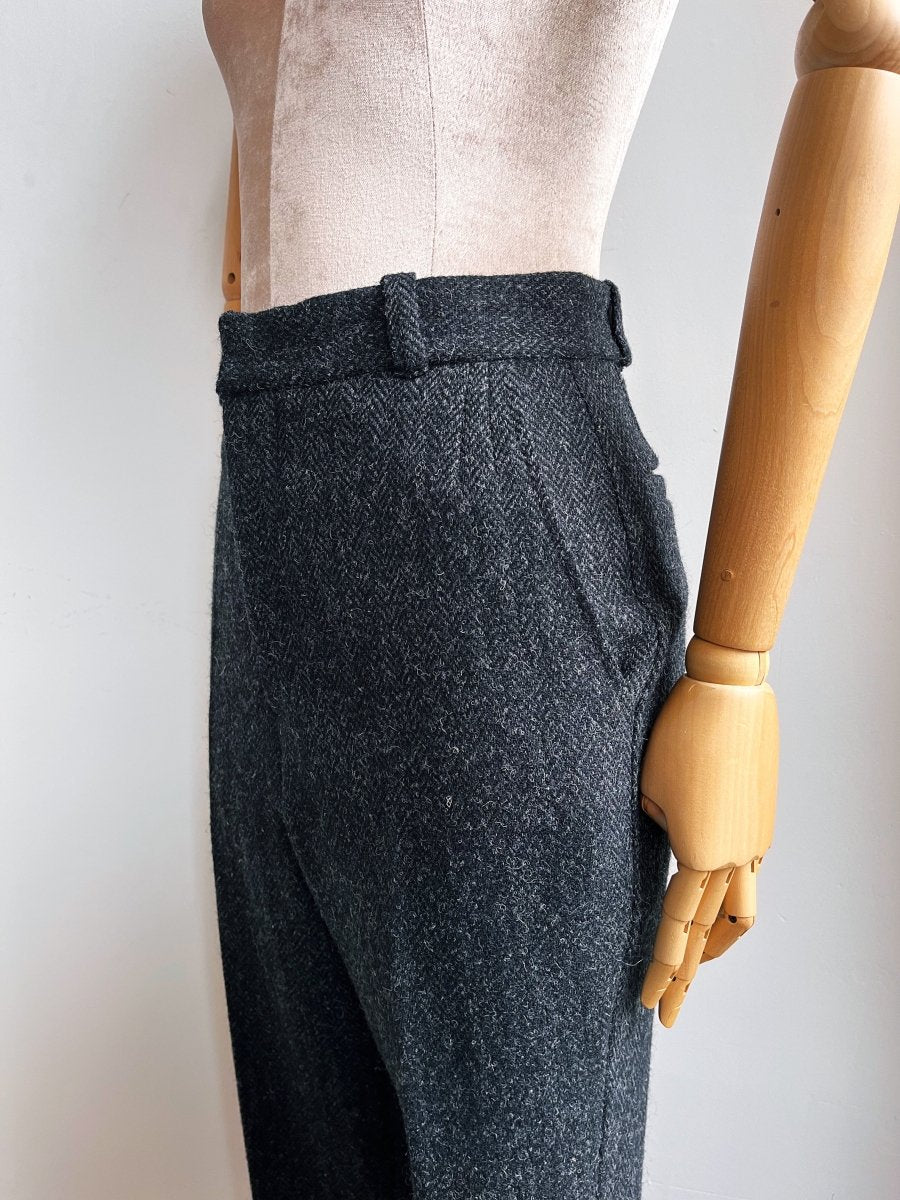
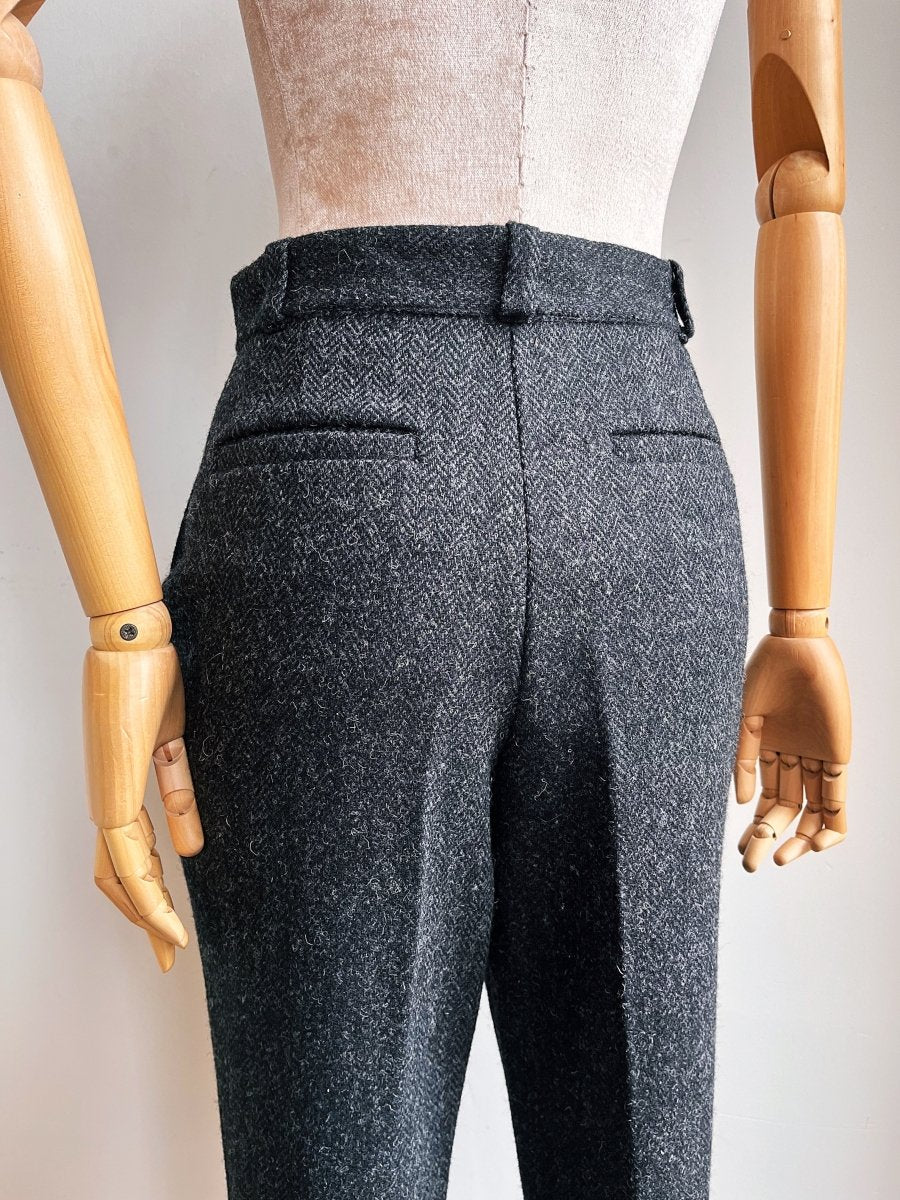
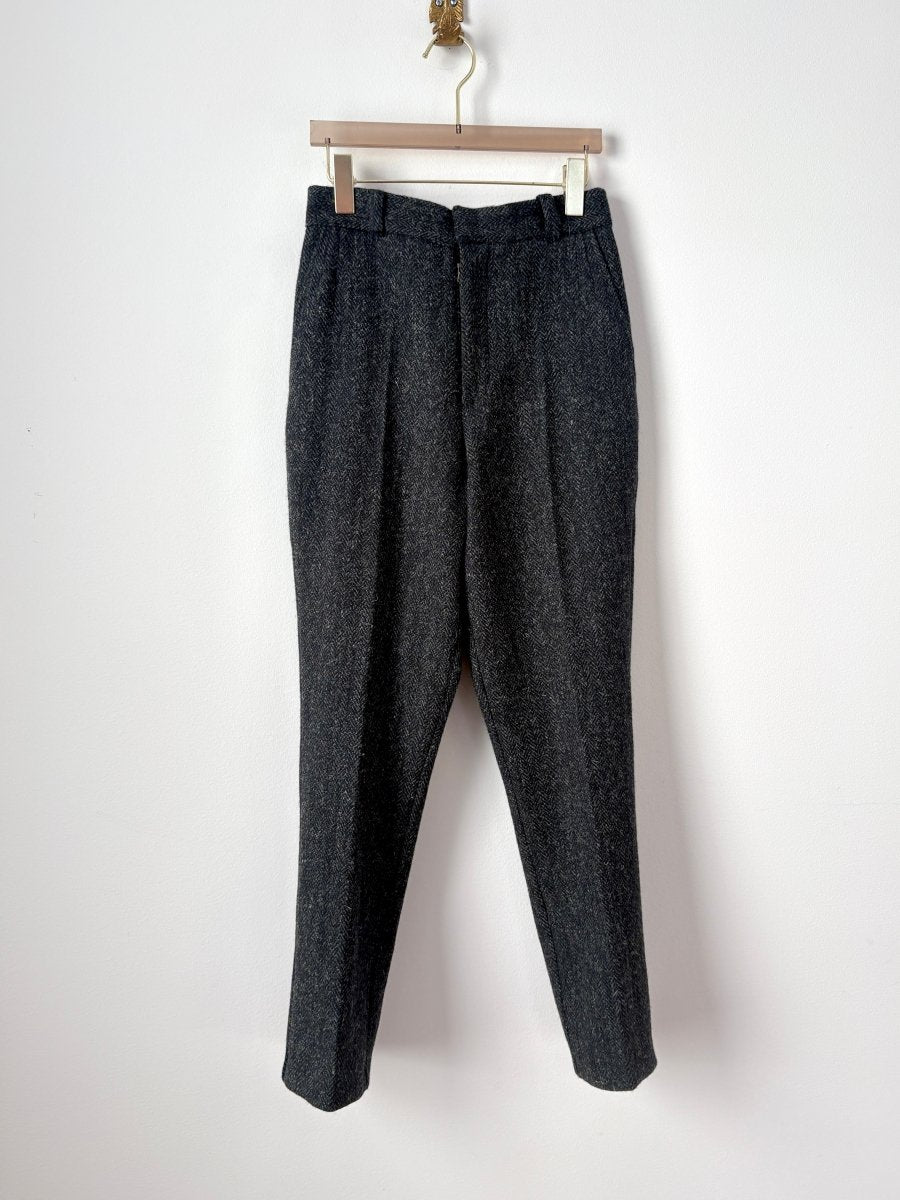
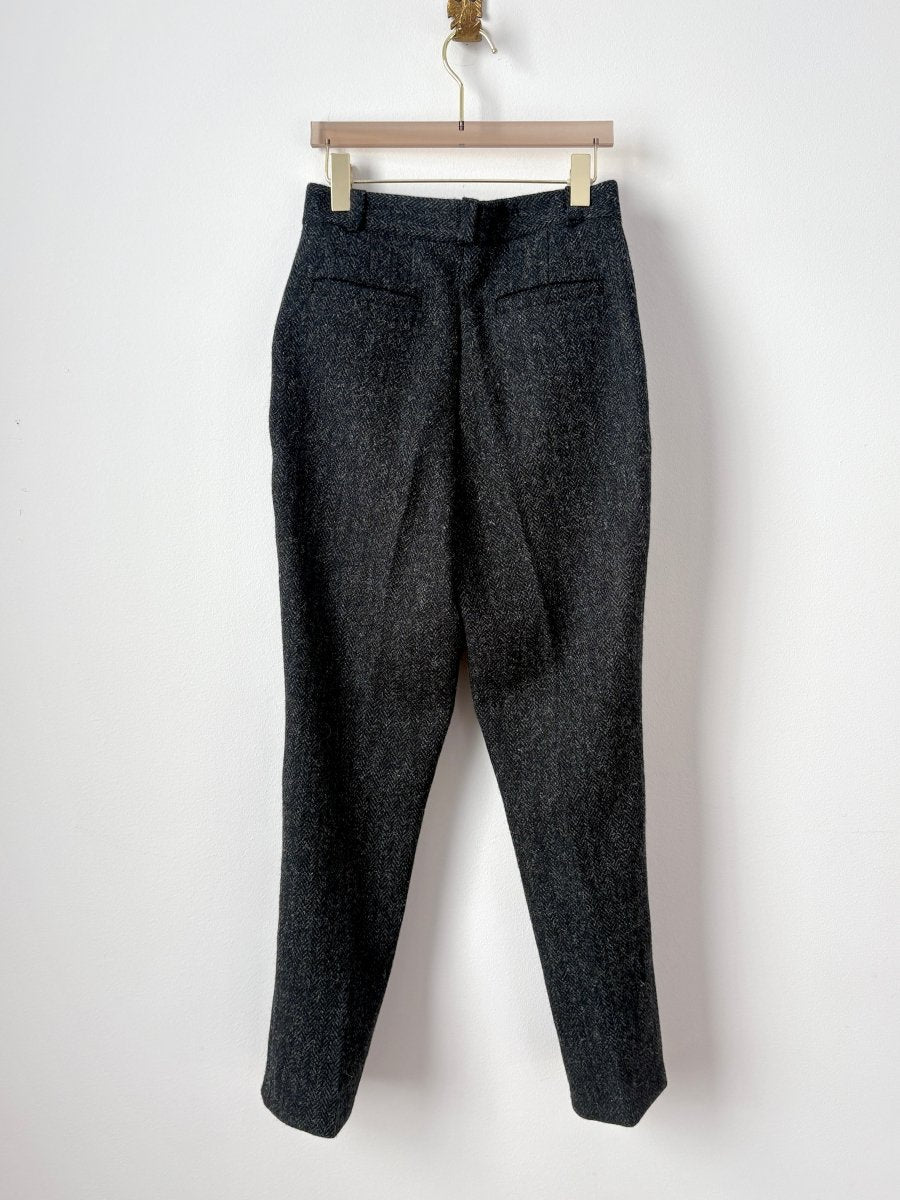
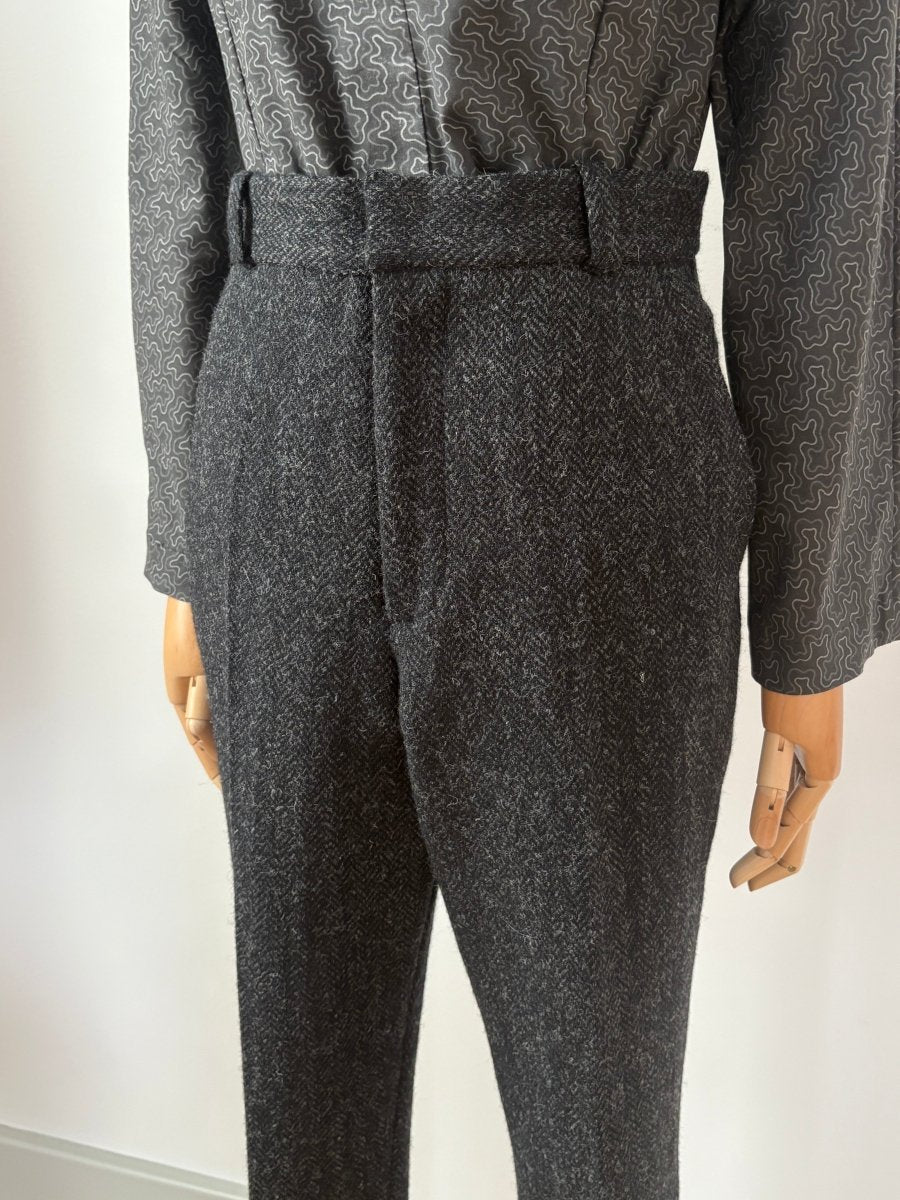
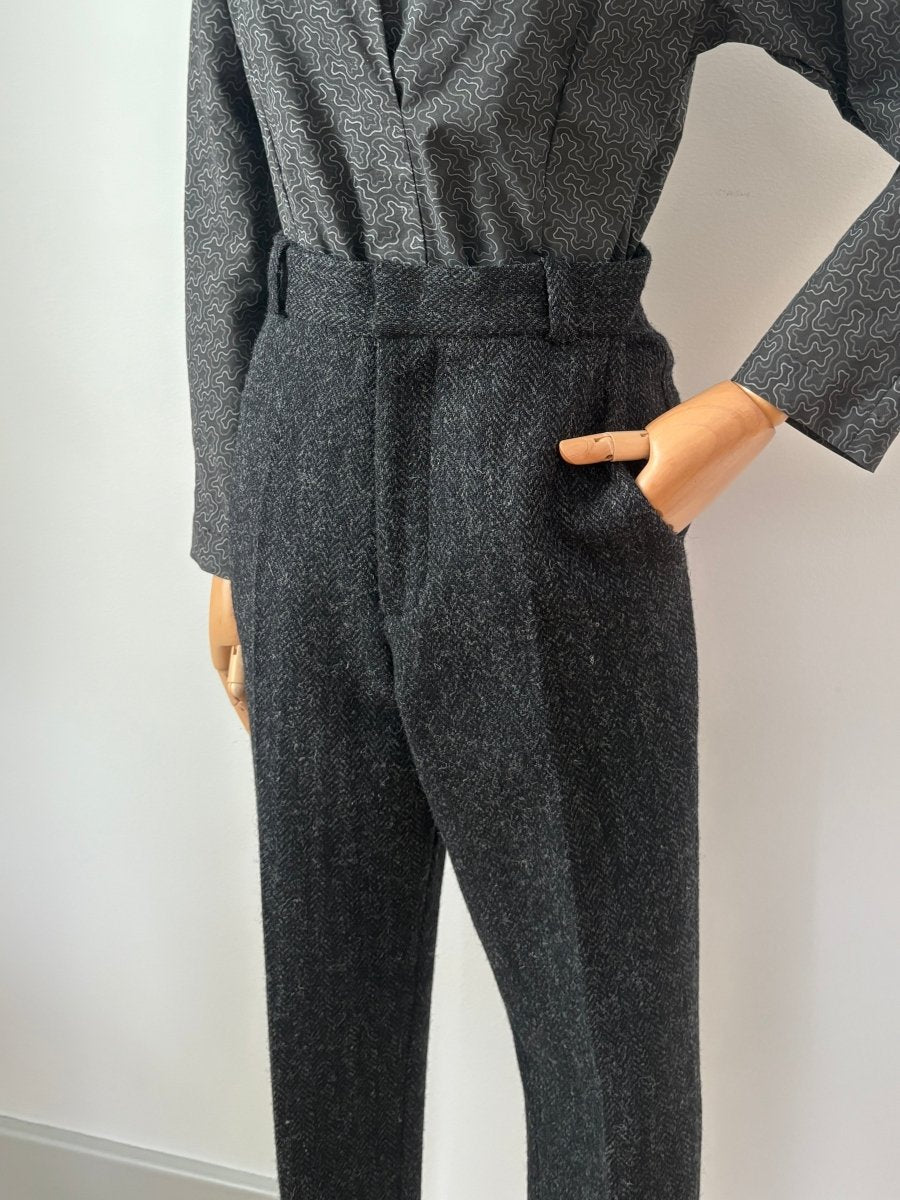
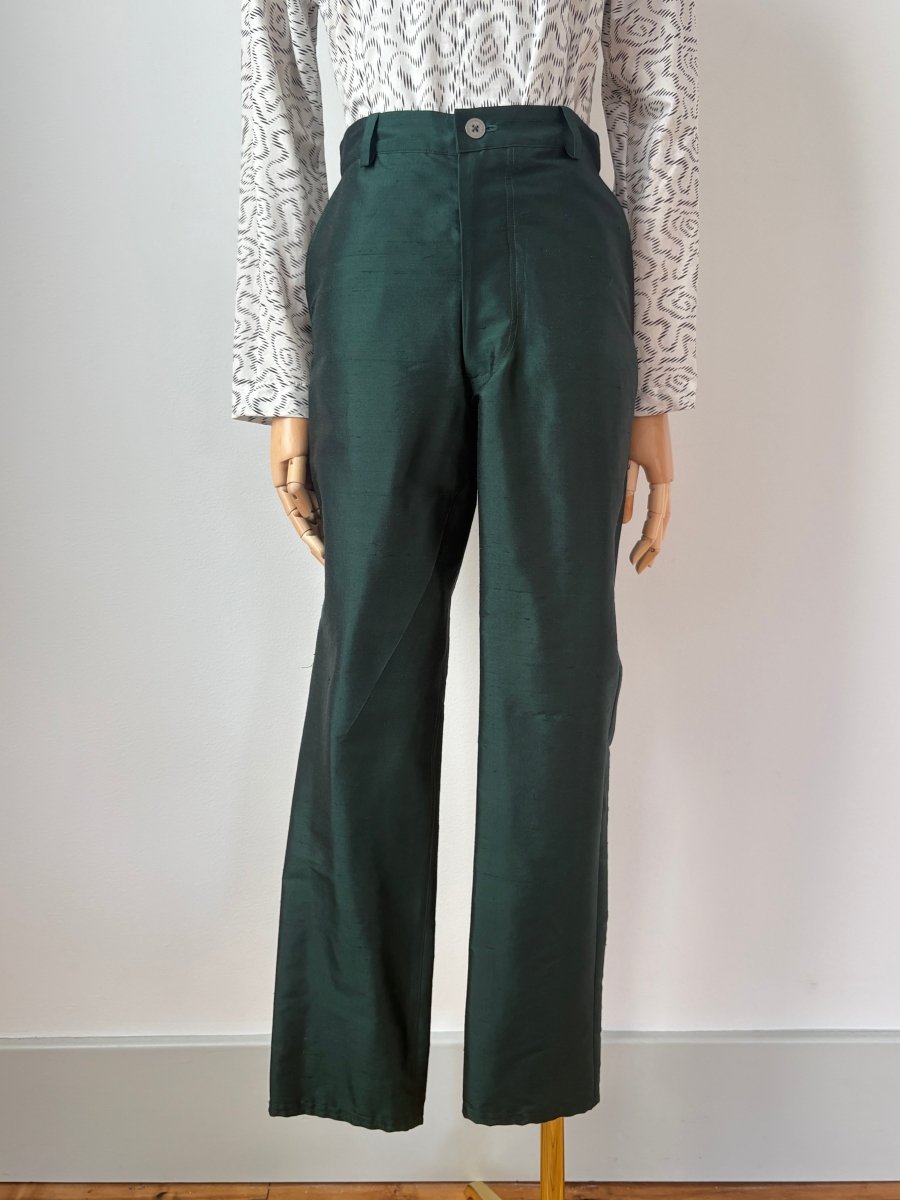
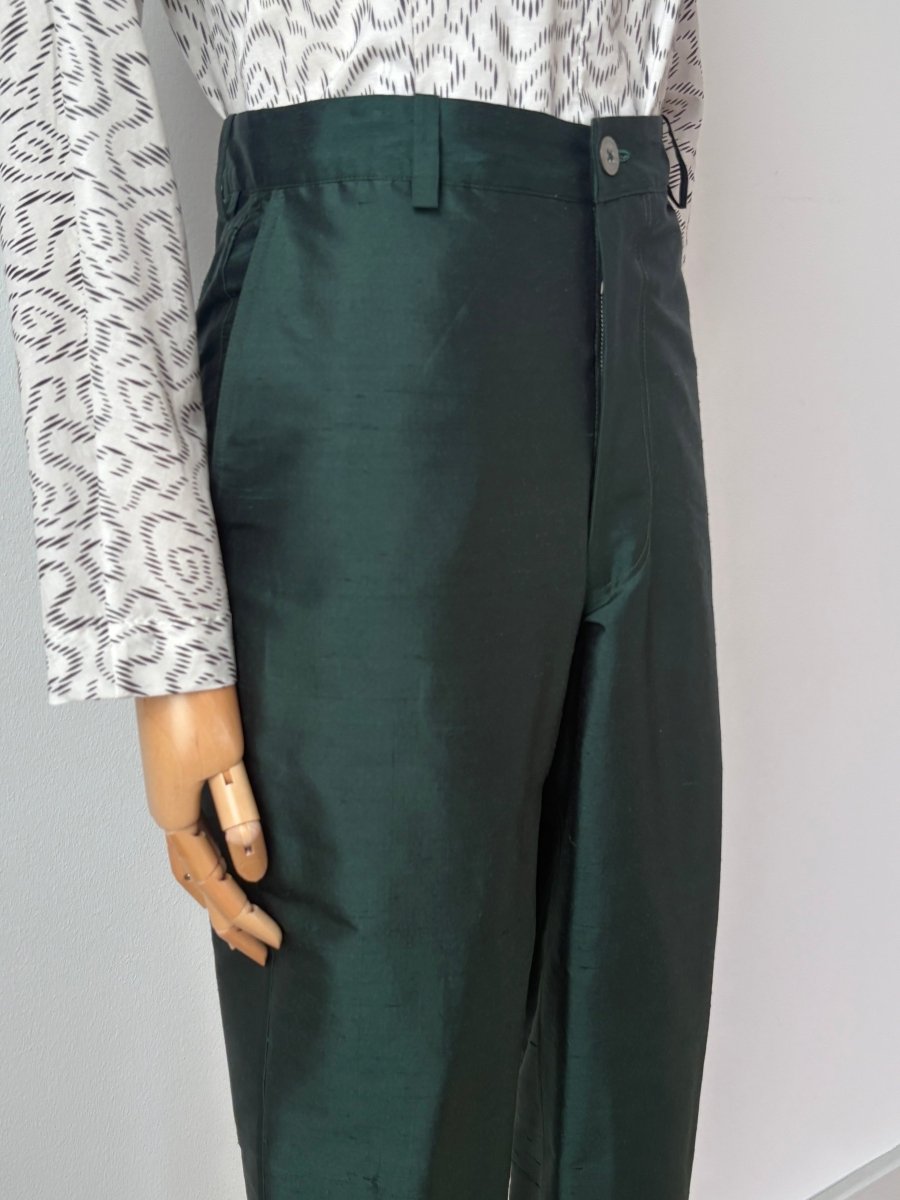
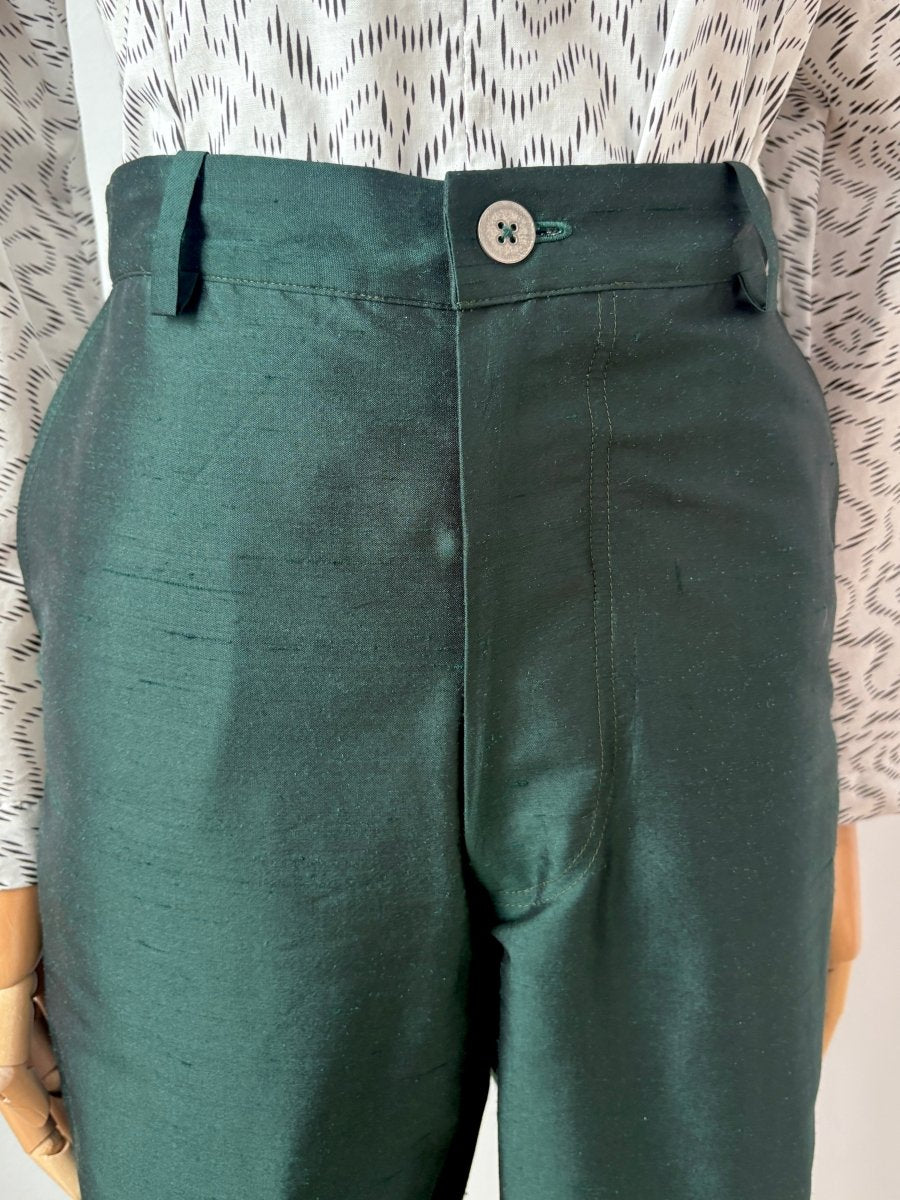
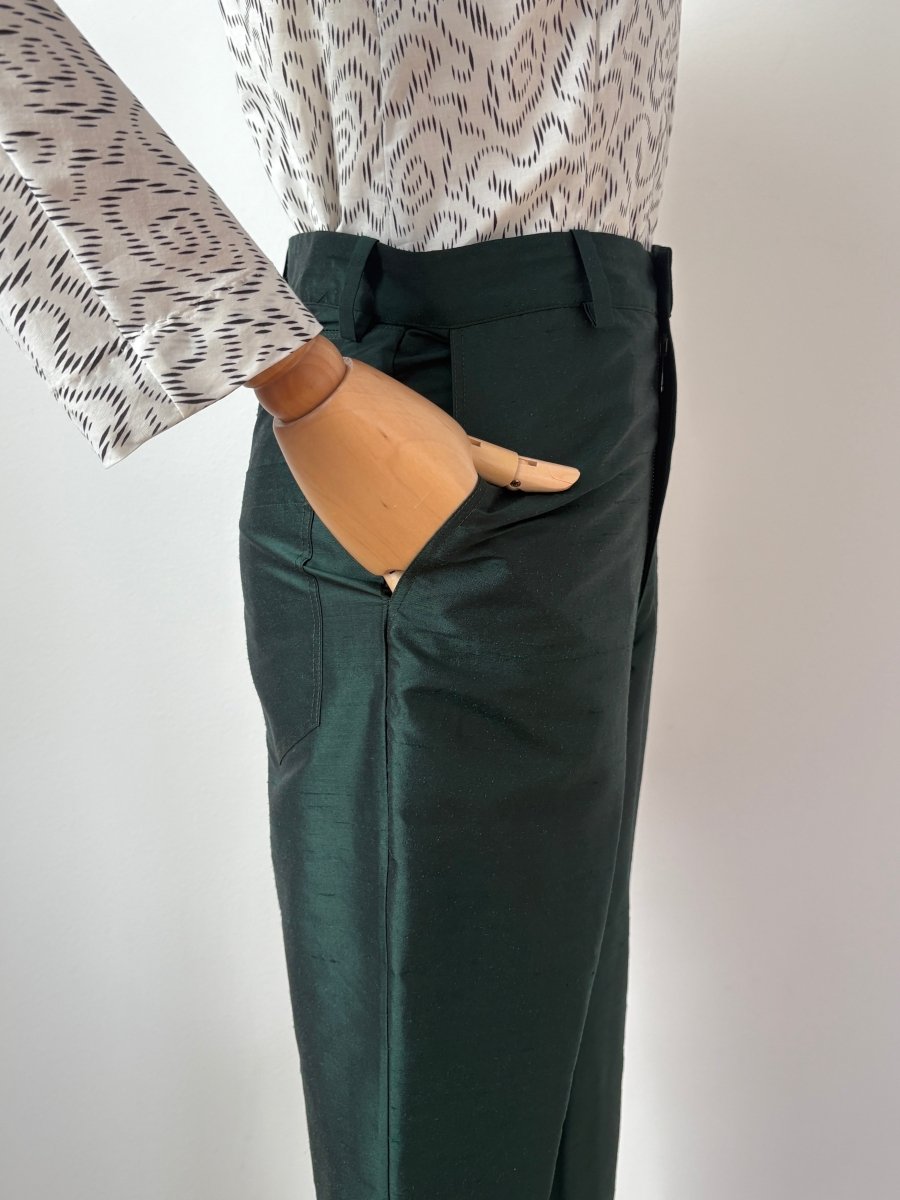
This blog post has been nearly four years in the making. We began working with Christopher Nahas in the early days of our atelier, when he came to us with exquisite fabrics sourced from London's Savile Row and a clear vision for bringing his dream collection to life. Together, we developed more than two dozen samples—several of which are now available in our shops. Today, we’re excited to share the origin story of Christopher’s collection through the interview below.
Can you tell us a bit about your brand and what inspired it?My goal in this work is ultimately about restraint -- to go beyond style trends, and to facilitate a way of living in personal dignity, inner strength and beauty. Almost religiously, I believe restraint neither limits design nor tempers content, but rather intensifies expressive power. Restraint is my key guiding principal on many levels: in creating forms, in using materials, in affecting surrounds. Above all, I appreciate restrained forms of expression in all the arts and I value restraint as a sort of moral etiquette.
Where did the name come from?
NAHAS is an ancient family name which suddenly feels relative. This side of my family were Orthodox Christians from the oldest living city on earth, Damascus. I used to hear stories of people then - Christians, Muslims and Jews - living together as a cohesive society in which they each shared their lives and even everyone's religious celebrations together. Neighbors even took turns nursing each others' babies. Then something went wrong for over a century. All my ancestors were killed by religious extremists except just one - a grandfather - who survived by immigrating to America where he became a successful garment manufacturer. Today, Syria has finally been liberated and we learn that an inspiring First Lady of New York City is originally from Damascus. In my own way, I really want to support more optimistic progress. I believe we all need to find a way to get along and celebrate and support each other. I don't actually think our nation - or even the world - will survive otherwise.
What brought you to the Upstate/Catskills region?
The Catskills are very different than anywhere I have lived: Manhattan, London, Paris and Tokyo. I think these places excite and inspire. They can even replace your personal identity with their own very persuasive culture. I moved up here from all that to take care of family and found a serenity here which forces me to look within - instead of externally - to create my own inner dialog rather than lean on the outside for content. Being remote truly fosters inner dialogue.
What made you choose to work with Made X Hudson for production?
A lot of creative friends were talking about Made X and it seemed like perfect timing - for the creative world for and my own life at this time. I had some ideas and even patterns I had developed, but Made X could actually make it happen on a larger scale than me just sewing one item at a time in my home. Made X is really turn-key: they can get you through the entire process from creative intuition to in-store reality. One person can't do it all, and so Made X helps fill-in gaps which lead to successful expression. Made X affords the benefits of owning your own massive corporation, as a single, independent individual. It really helps that Made X is so close to where I live. They are also really careful to listen to me, understand me and support my goals. I feel this support in every conversation.

Any reflections or advice you'd share with other designers considering small-batch manufacturing?
Be true to your values and beliefs. Small-batch lets you do this, especially as an individual. When you do something right, customers find the way to you. Only small-batch can make this happen.
You’ve already put a lot into the sourcing and creation of your fabrics and buttons. Can you tell us a bit about how you approach that?
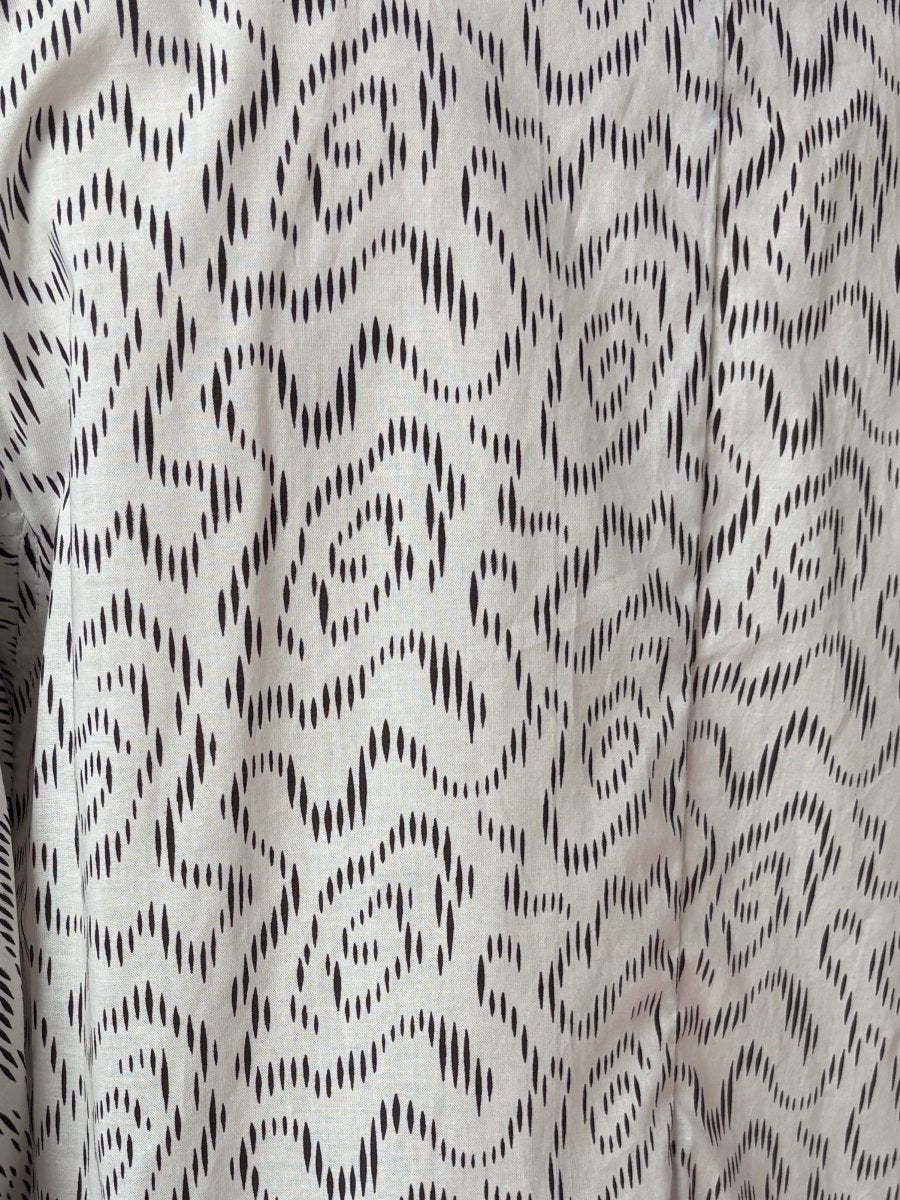
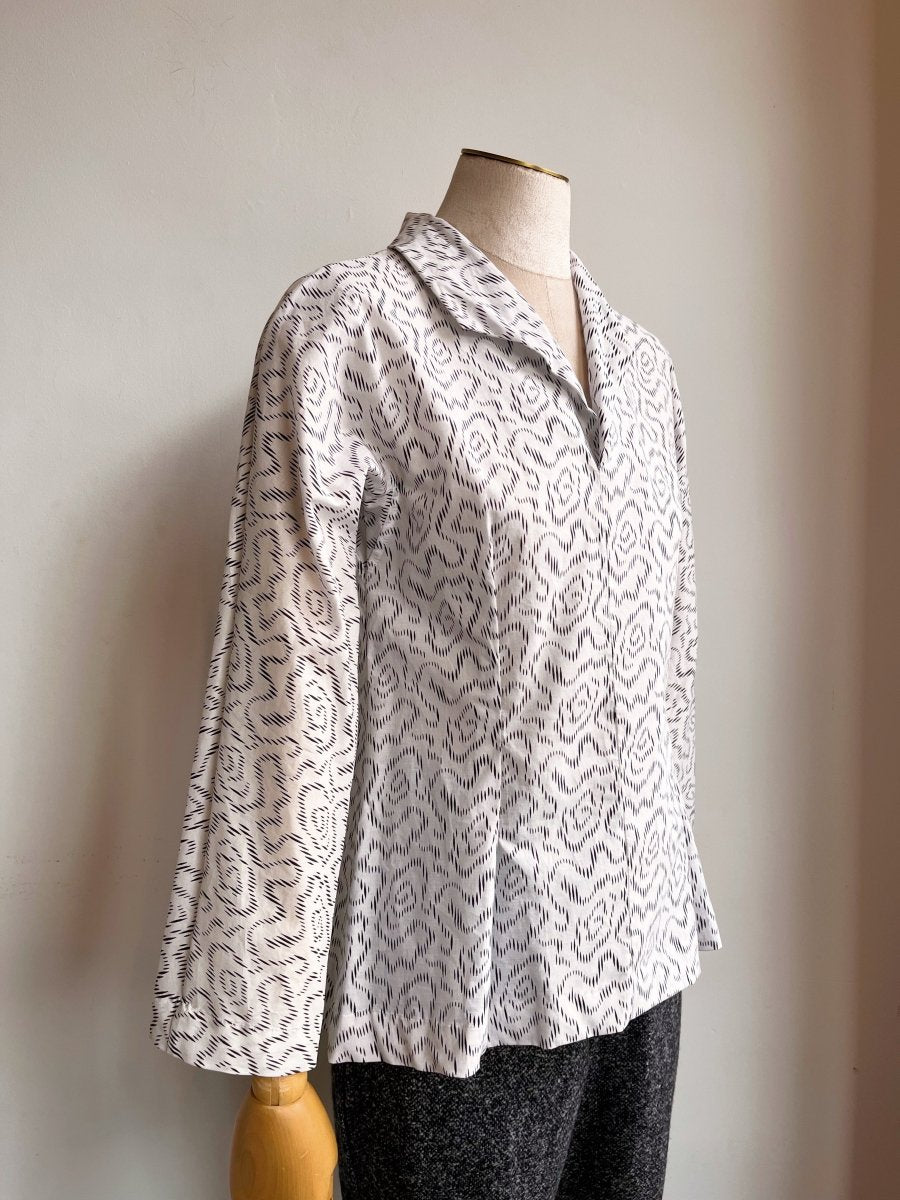
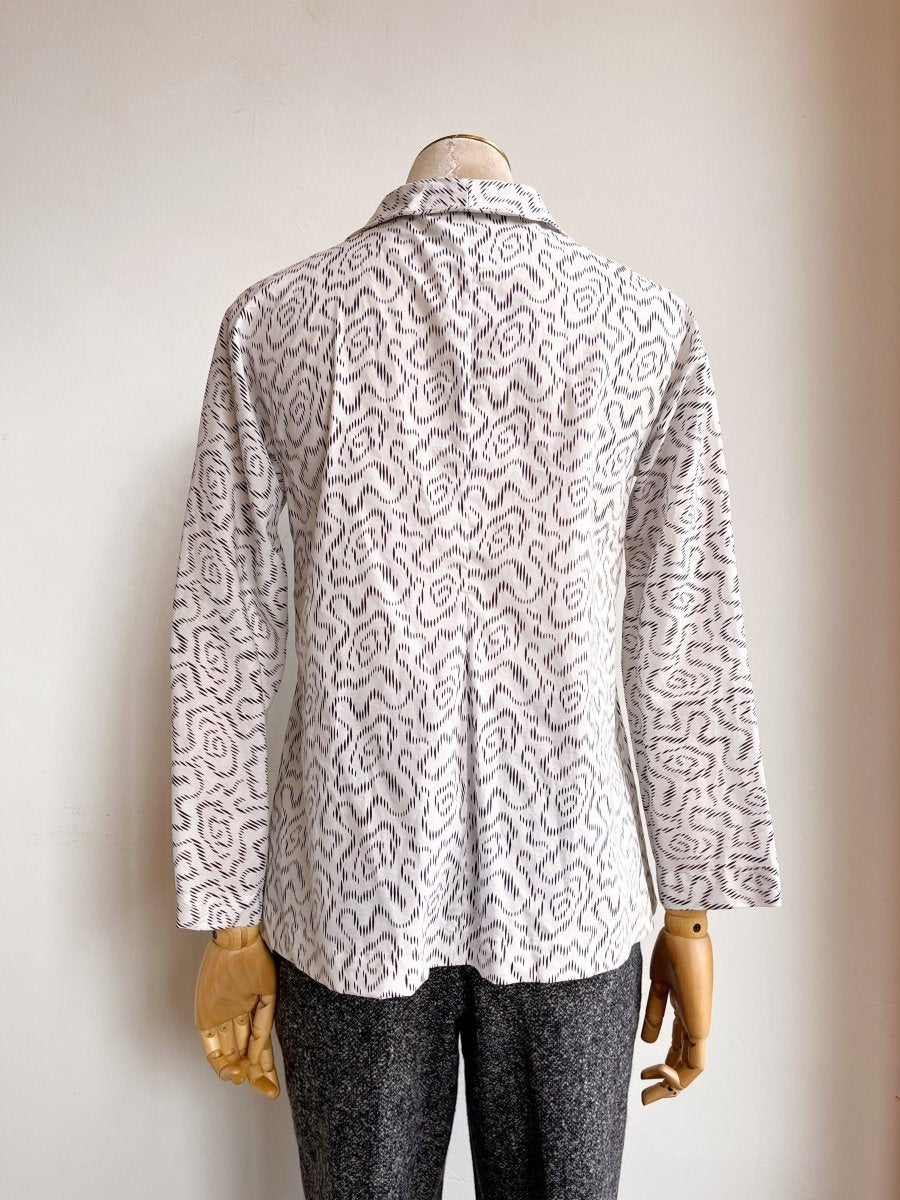
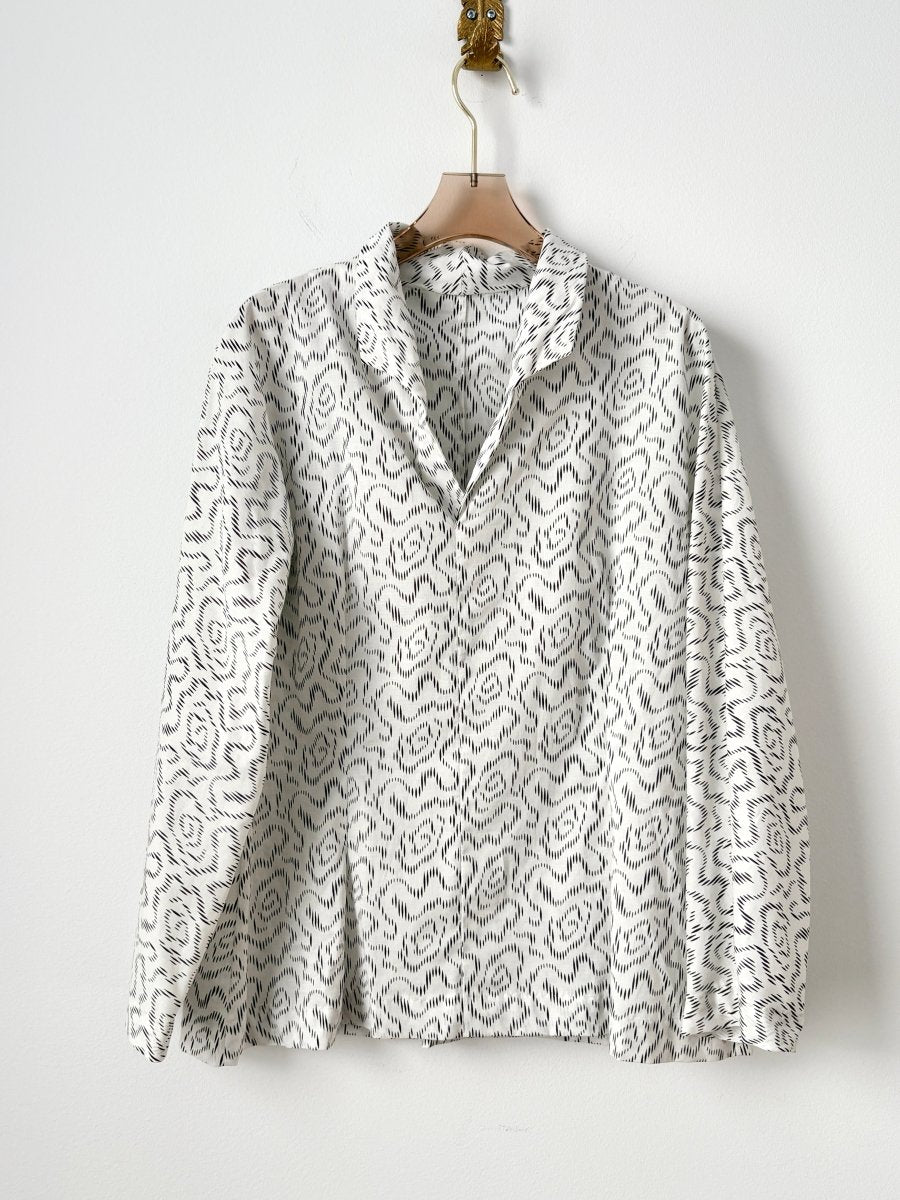
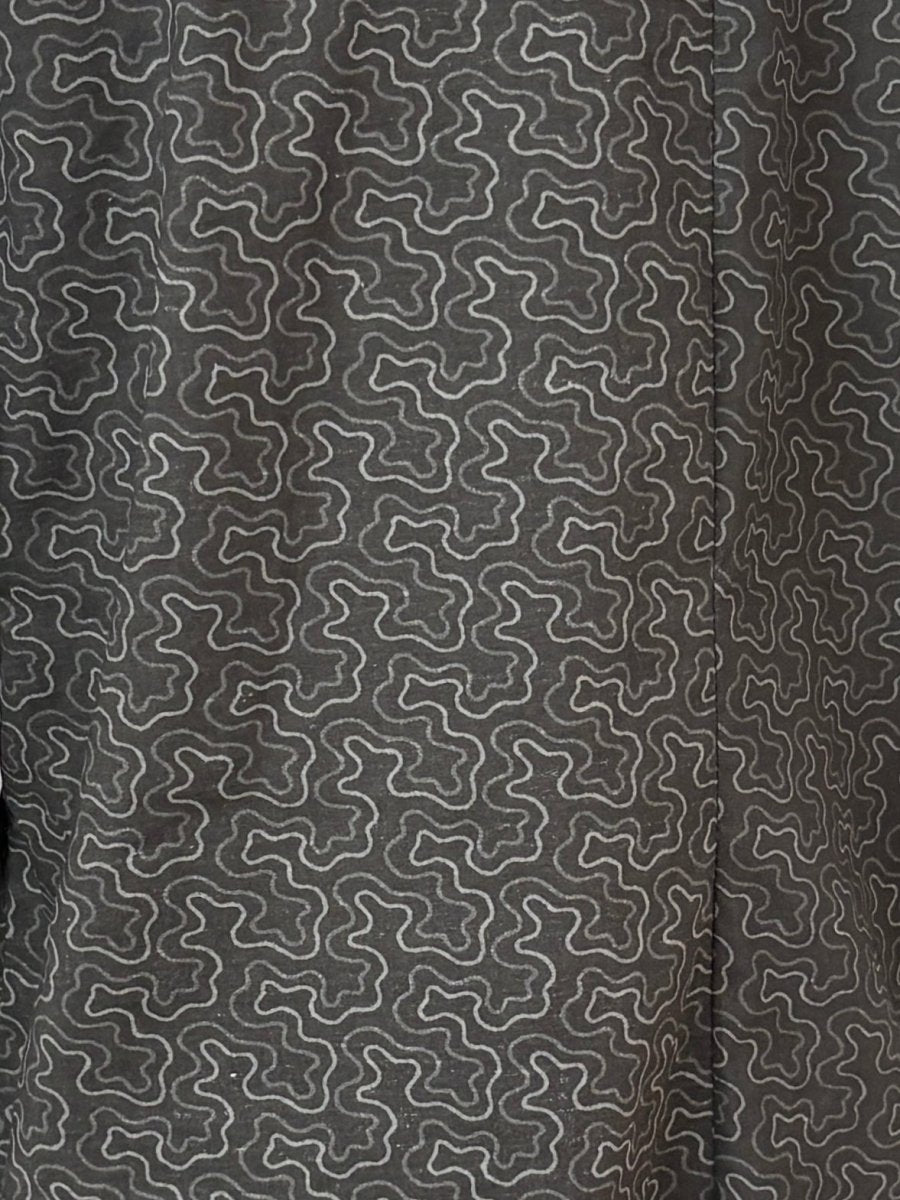
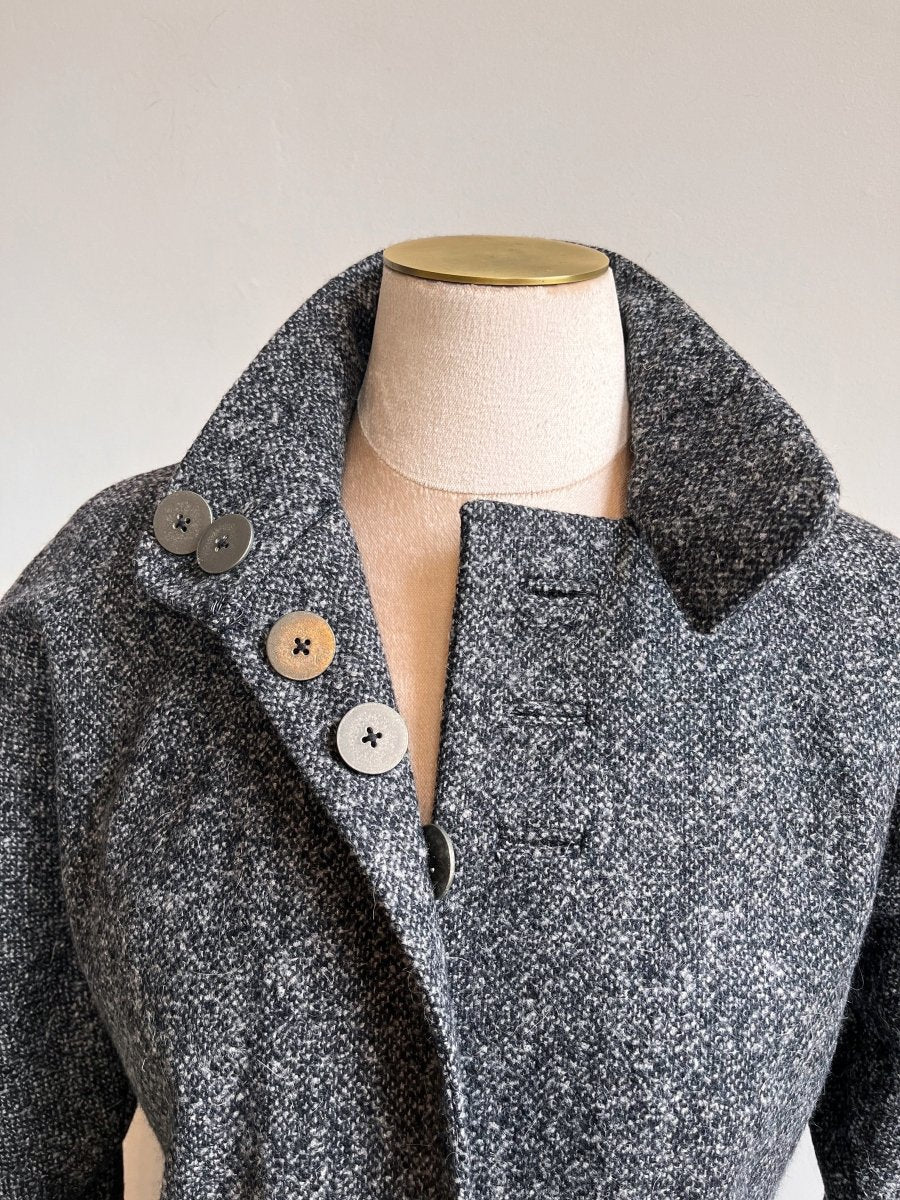
I've been designing and sourcing for design for 35 years as a Creative Director at companies like Ralph Lauren, Tory Burch and even Starwood Hotels for their St. Regis brand and others, so I had some connections and know-how. Made X also brought resources to the table. My family has been in antiques for decades and so I found printed fabrics - presumably local - from 150 years ago. I saw modernism in them and re-colored them to make sense today and ran my own fabric production. I make blouses and dresses from these on really exquisite cotton lawn from Liberty of London. I also use them as signature linings which maybe nobody else does. I wanted buttons I couldn't find anywhere in a soft, silent, felty-tone pewter so I found a man in the south who casts pewter for reenactment clothing and worked with him to create my own buttons from-scratch. I learned to source like this at Ralph Lauren where we would lean on everyone from the Amish to NASA to create products like nobody else. For fabrics I don't create myself, I tend to work with Savile Row mills and ancient cottage industries because I get a quality and finish above all else, in a world of just the opposite.

What was the design and development process like — any highlights or challenges?
The designs are created to facilitate internal strength through restraint. I use this notion to guide every decision and it's sort a sort of religion for me. It dictates every detail- often ones people can't see but sense- which make a crucial difference. What I learned throughout my career path is to never give up- hold out- keep trying until it's perfect. On my own, I never feel pressure to perform on deadlines. I have no qualms with this. That's a genuine pleasure. Creating has to feel good at every step along the design process to produce an exceptional item.
What’s the main thing you want people to know about the clothes and the brand you’re creating? Where do you see it going?
Ideally, wearing my clothing would be a sort of spiritual experience. I really believe in 'fewer, better' and want the clothing to afford dignity, strength and ultimately internal serenity to whomever wears it. It seems like almost everything happening in the world today is out of anger. I want the experience creating things to facilitate joy and optimism. I believe in the butterfly effect in which even a small gesture can lead to massive, unimaginable progress. I can only start with myself but I hope this echos to others and ultimately, to culture, itself.

"Ideally, wearing my clothing would be a sort of spiritual experience. I really believe in 'fewer, better' and want the clothing to afford dignity, strength and ultimately internal serenity to whomever wears it."
When designing who was the customer you had in mind?
I have high personal, however democratic standards. My customer is every person of every walk of life, of every religion, creed and identity. The designs are even made to adjust to every size person during fittings. The unifying value across all of them is having dignity and strength through understated elegance and exceptional quality. My customer knows this about themself and upholds this for themself. This mandates every decision- from materials to design form to ethical production.
What was your favorite part of creating the collection?
Creating is first a process of exploring the unknown and discovering new ways of thinking and expression. That's also what it means to be alive.
Creating is first a process of exploring the unknown and discovering new ways of thinking and expression. That's also what it means to be alive.